Residential Lawn and Winter Services
Fitzgerald Lawn Care provides lawn maintenance, mulch installation, lawn insect control, mole and pocket gopher trapping, snow plowing, and snow removal for homeowners in Hammond, Wisconsin. We examine the part of the property connected to the request, discuss the conditions you have noticed, and determine which service fits the situation. Recommendations account for the yard’s size, arrangement, and seasonal maintenance needs.
Property Care in the Heart of St. Croix County
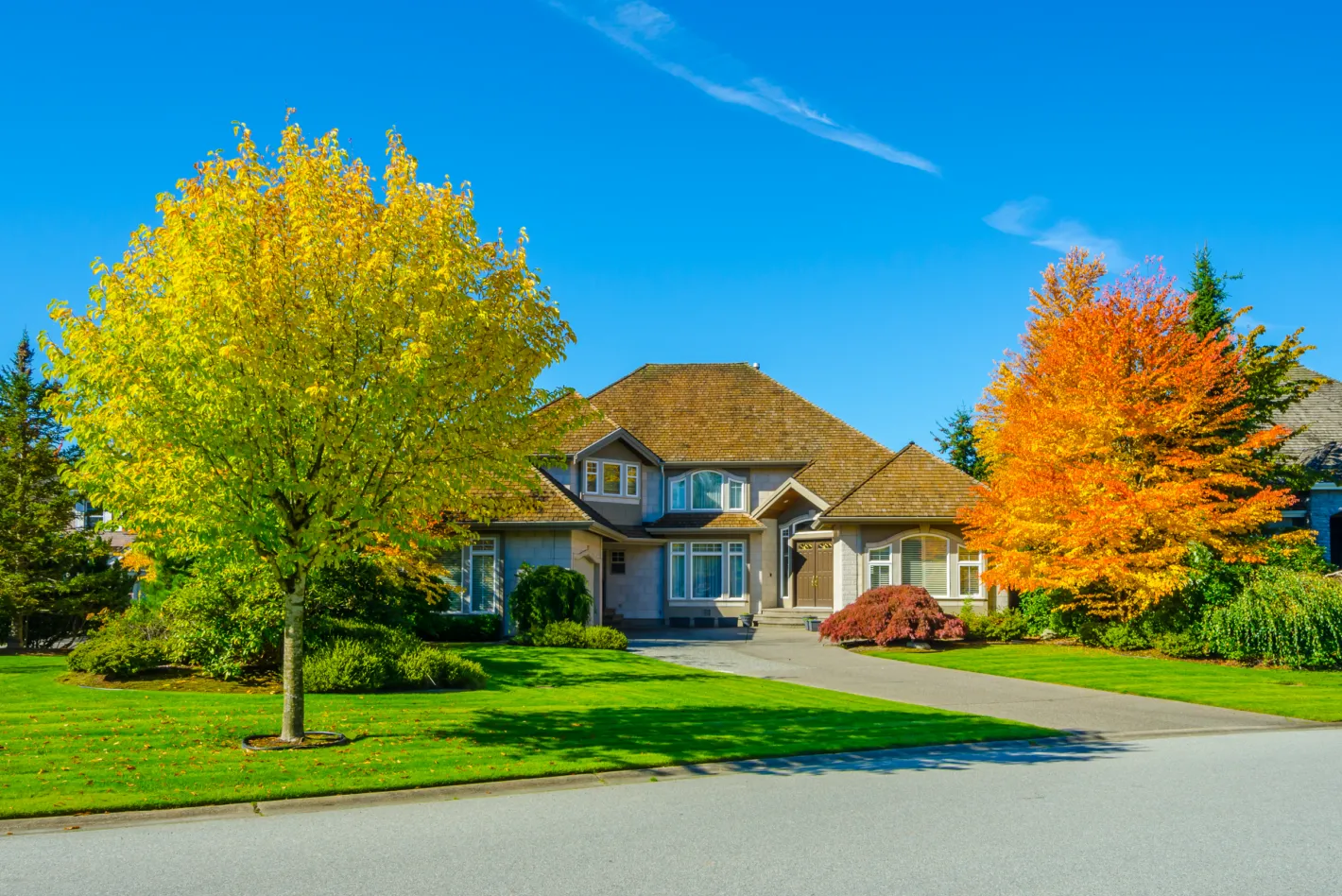
Hammond includes established neighborhoods, newer residential areas, and homes on larger lots throughout the surrounding town. Yards may have sidewalks, compact planting beds, open turf, mature shade trees, drainage swales, and connections to nearby undeveloped ground.
Smaller neighborhood lawns often contain several frequently used areas within a limited space. Foot traffic, children, pets, and mowing equipment can place repeated pressure on the same soil. Larger lots may experience stronger wind exposure, uneven moisture, and animal movement.
Fitzgerald Lawn Care evaluates these property differences before planning lawn maintenance, mulching, insect control, trapping, or snow service.
Weed Control for Hammond Yards
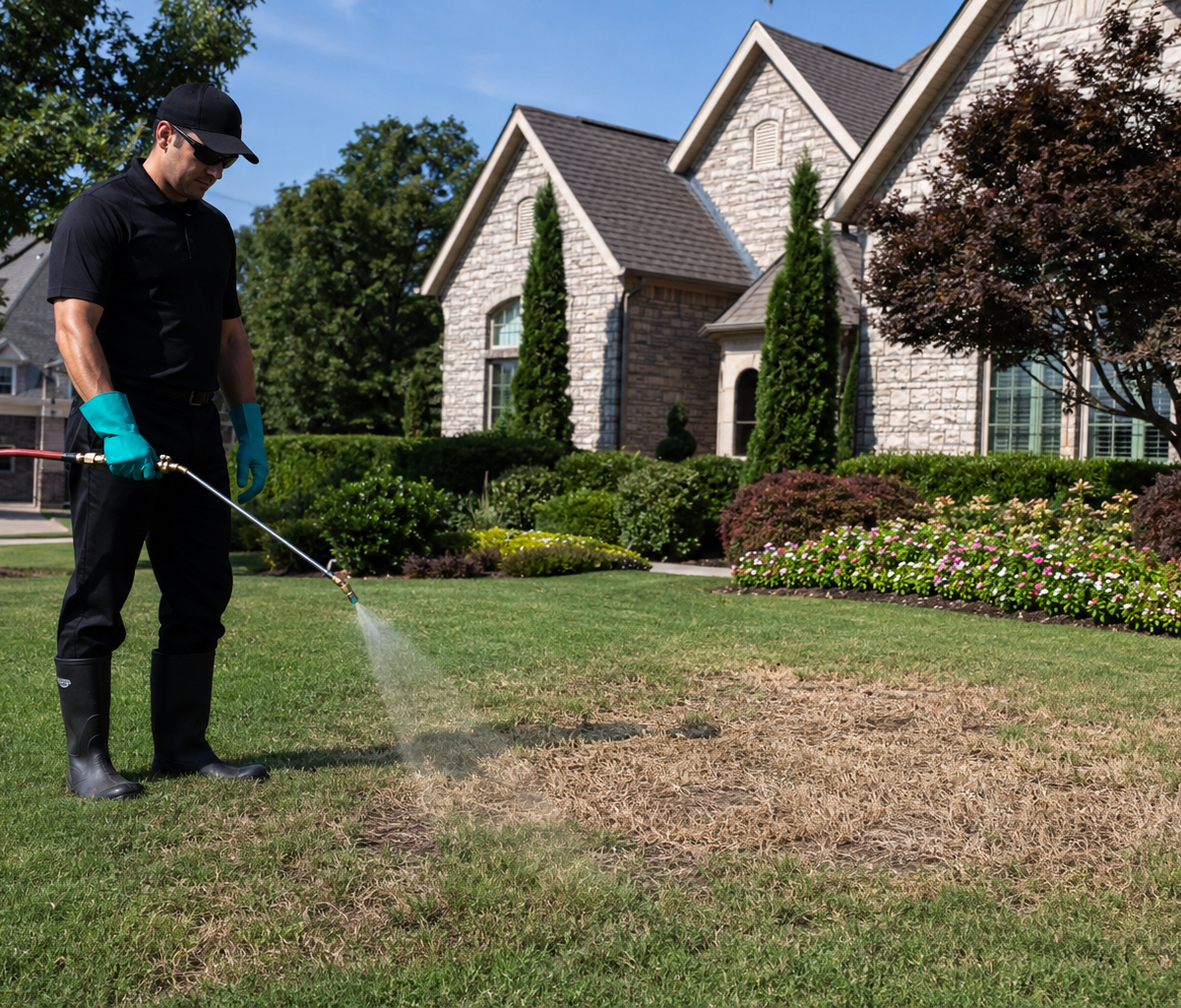
Traffic, compacted soil, and disturbed lawn edges can create space for weeds in Hammond yards. Fitzgerald Lawn Care identifies the unwanted growth and reviews turf conditions before treatment.
Grass near gates, play areas, and walkways may become thin, allowing weeds to establish in exposed soil.
Heat, runoff, and soil disturbance can encourage weeds beside driveways, sidewalks, and landscape borders.
Identify gardens, new grass, sensitive plants, and recently applied products. Treatment timing depends on the weed species, growth stage, weather, and lawn condition.
Organized Lawn Maintenance
The appearance of a residential lawn depends on consistent mowing, detailed borders, healthy soil structure, and appropriate timing. Weather and household use can change what the lawn needs from one part of the season to another.
Our maintenance services are tailored to the physical layout and current growth of the yard.
A fixed calendar does not always match the way grass grows. Turf may gain height quickly after spring rain but change very little during a hot, dry week.
We review grass height, surface moisture, and seasonal conditions when planning mowing. Yard features such as fences, play equipment, trees, and narrow side sections are considered as well.
Grass beside sidewalks, driveways, patios, and planting beds can make those areas appear less defined. Precise edging is especially noticeable where several lawn borders sit close together.
We follow the existing lines around the yard and account for gates, corners, steps, and other transitions.
Residential traffic is often concentrated near doors, gates, play areas, and the path between the driveway and backyard. Soil can gradually harden beneath those routes.
Aeration creates small openings in compacted ground to allow water, air, and nutrients to reach the roots.
Toys, hoses, portable furniture, pet items, and other objects can interrupt mowing or conceal the lawn surface. Removing these items helps provide clear access.
Homeowners should also identify newly planted, repaired, or sensitive sections before maintenance begins.
Mulch Installation for Hammond Landscape Beds
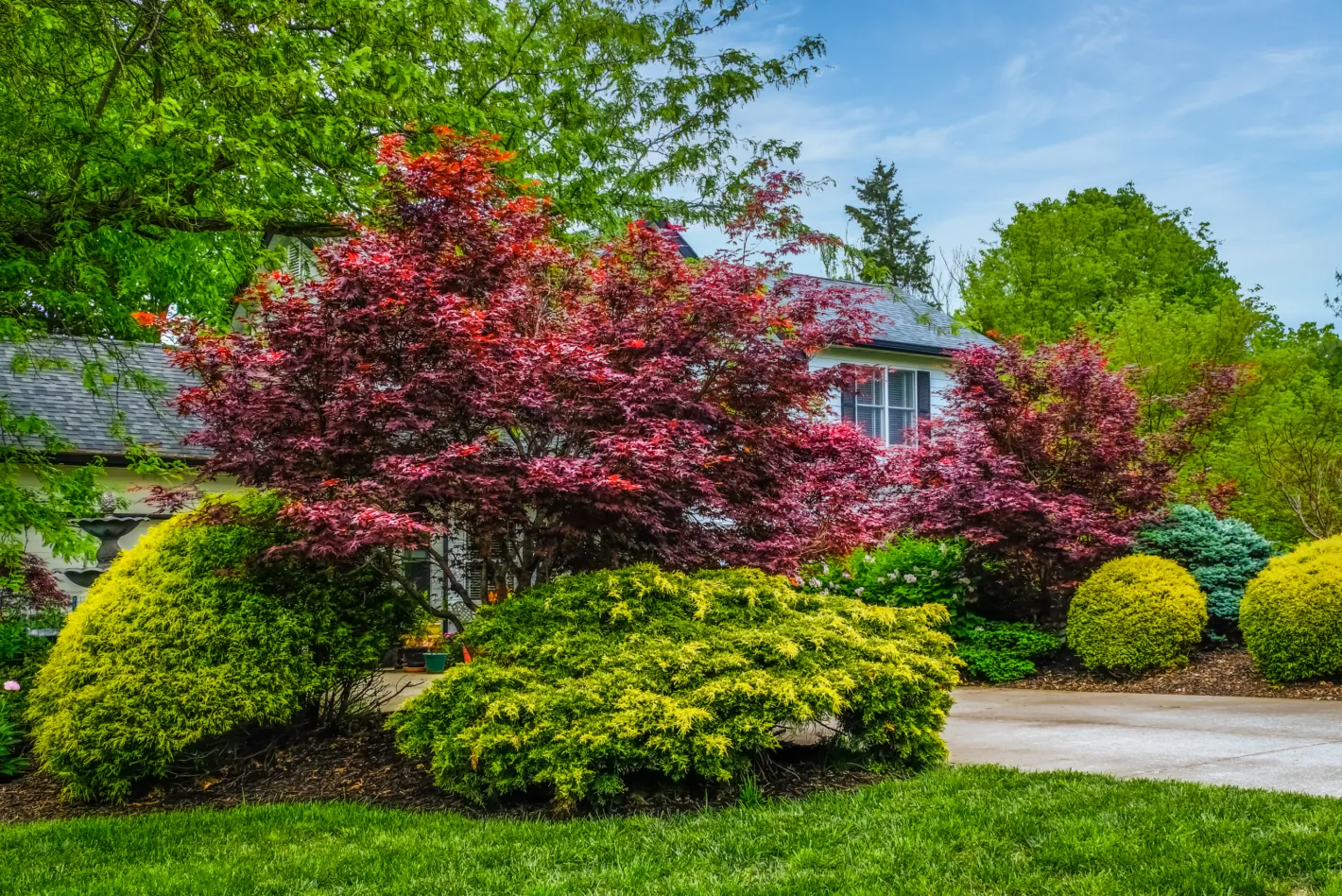
Mulch can refresh foundation beds, tree rings, and planting areas while separating them from the lawn. It covers bare soil and may help manage moisture loss and changing soil temperatures.
Fitzgerald Lawn Care considers the design and condition of each bed before preparing an installation plan.
Beds near the home may include downspouts, utility connections, windows, steps, and exterior fixtures. These features influence where mulch can be placed.
We also check the distance between the soil level, mulch surface, and exterior materials.
Weeds, grass, leaves, and loose debris can affect the finished appearance. Old mulch may need to be loosened or redistributed if it has become matted.
The extent of preparation is determined before new material is spread.
Closely planted beds require careful distribution around stems and branches. Material should cover exposed soil without burying plant bases.
We work within the approved bed area and maintain appropriate clearance around permanent features.
A home may have several small beds rather than one continuous landscape area. Consistent material depth helps those sections look coordinated.
Each bed is included when calculating the amount needed for the property.
Diagnosing Insects in Hammond Lawns
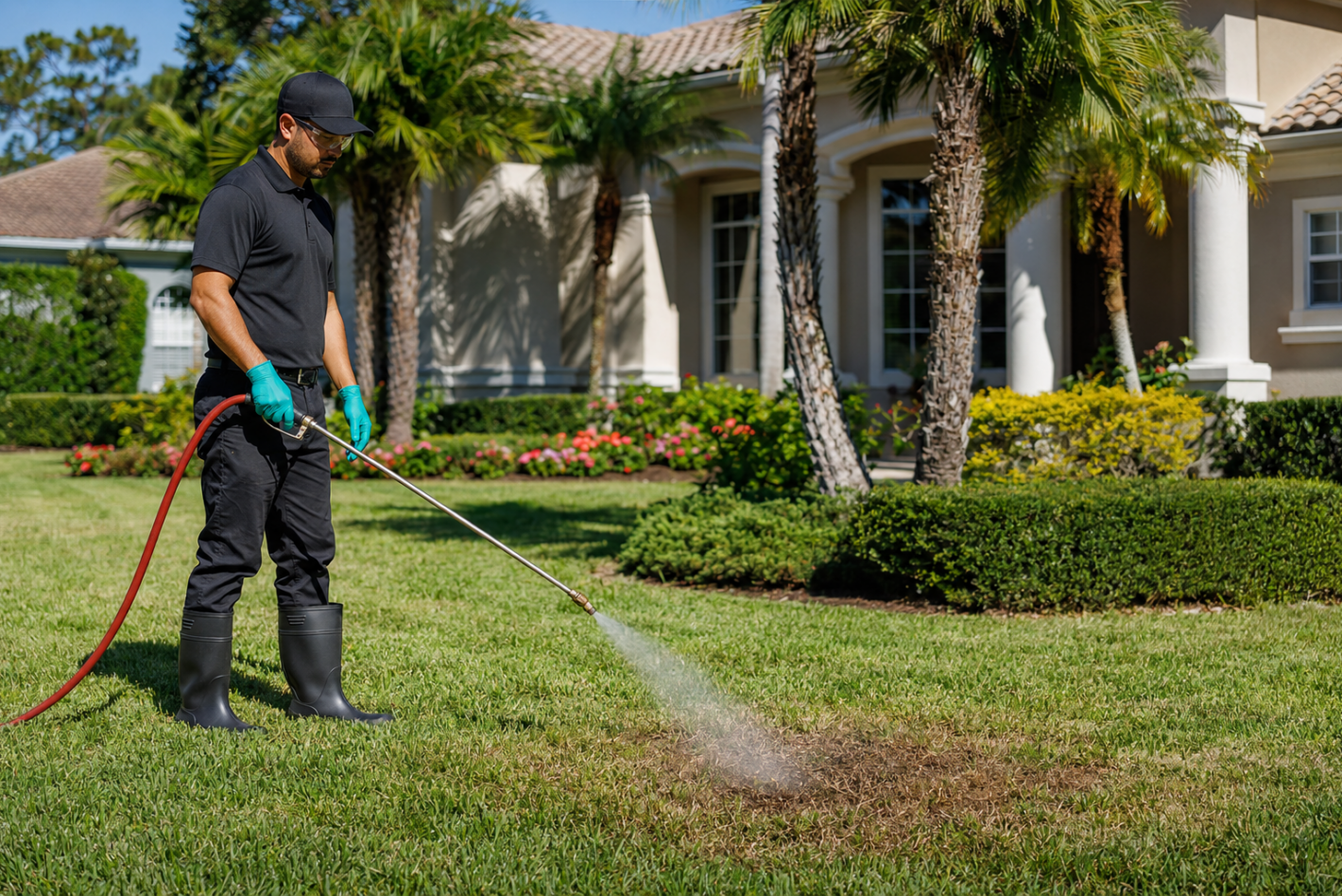
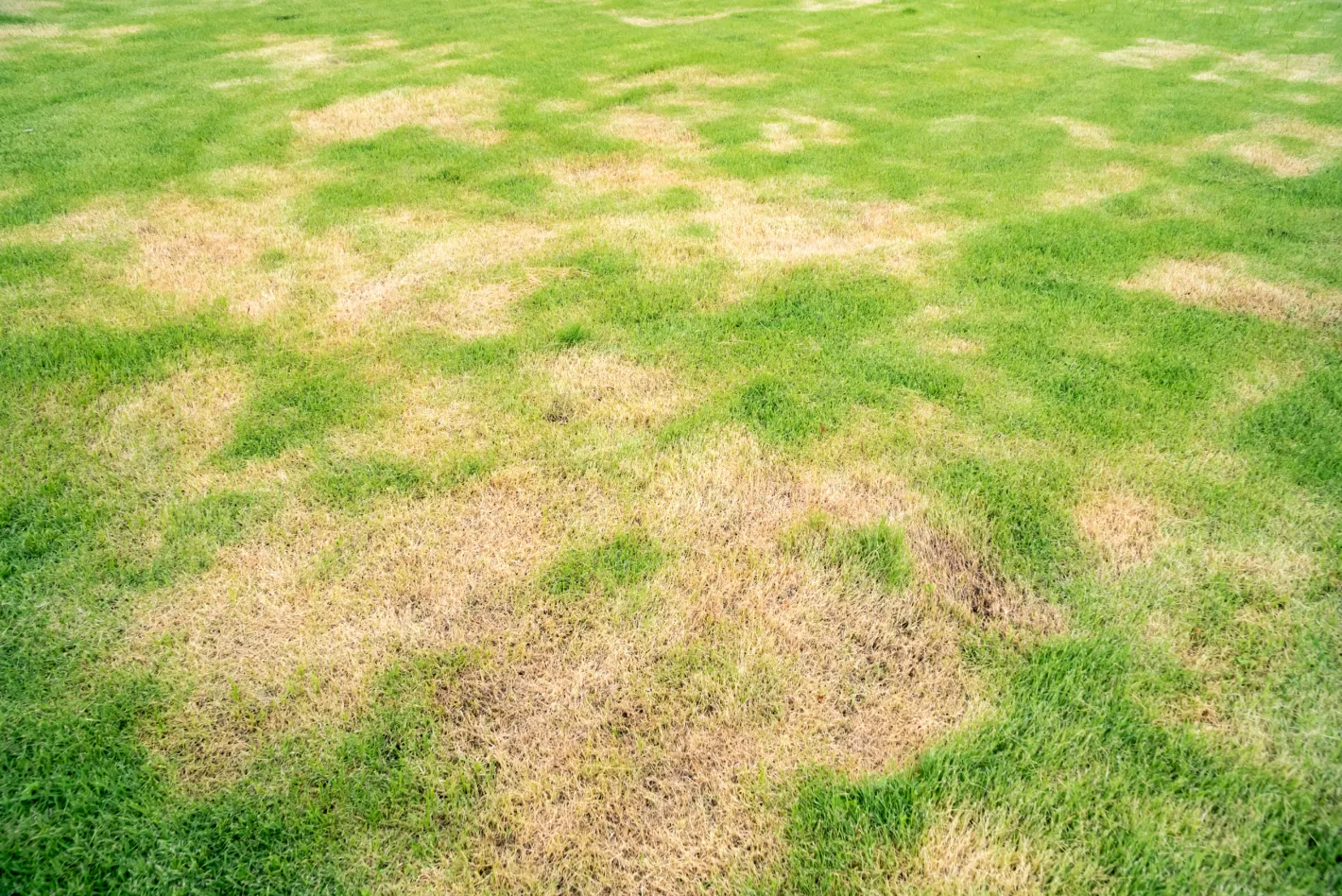
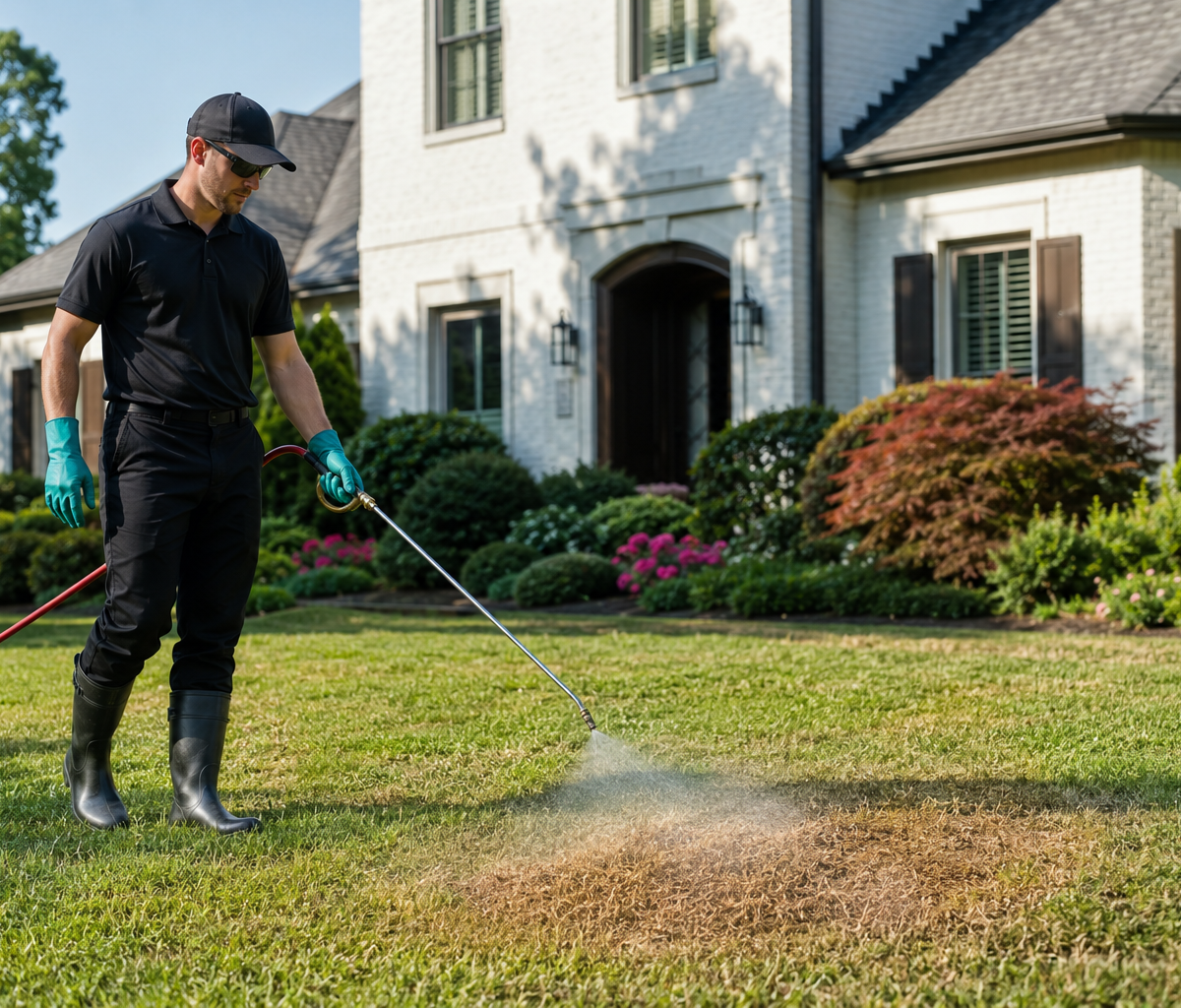
Grass can thin because of root-feeding insects, but household activity, pet use, poor drainage, heat, and mowing stress may create comparable damage. The affected area should be examined before choosing insect control. Fitzgerald Lawn Care looks for signs that support a pest-related diagnosis.
Healthy roots hold turf securely to the soil. Grub feeding may weaken that connection, causing the grass to lift or roll back more easily.
Examining the root zone can reveal larvae, missing roots, and changes in soil condition that are not visible from the surface.
Beetles may be present in a yard without feeding on the turf. Some visit flowers or trees, while others are connected to larvae developing underground.
We compare the insects found with the timing and location of lawn symptoms before recommending control.
Repeated running, digging, pet waste, and concentrated activity can thin grass in predictable locations. These patterns may be mistaken for insects when damage occurs near paths, fences, or play equipment.
Understanding how the yard is used helps separate physical wear from pest damage.
A damaged patch that expands quickly may have a different cause from one that remains unchanged. Homeowners should note when the problem began and whether its edges are moving.
This history provides useful context during inspection.
Residential Mole and Gopher Control
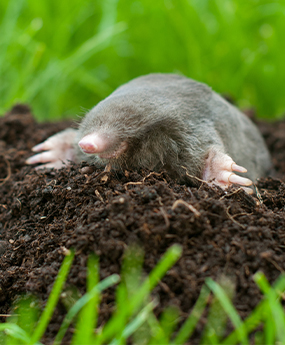
Tunnels and soil mounds can develop in both compact neighborhood yards and larger residential lawns. Burrowing animals may enter from adjoining open ground or follow suitable soil beneath maintained turf.
Fitzgerald Lawn Care identifies recent movement before establishing trapping locations.
Moles commonly lift the surface into narrow ridges. Pocket gophers typically leave piles of excavated soil near deeper tunnels.
Recognizing which type of disturbance is present helps determine how the area should be approached.
Burrowing animals may travel beside fences, landscape borders, tree lines, and other protected edges. These routes can connect feeding areas across the property.
We check where fresh signs begin, intersect, and disappear.
A tunnel system may extend beyond the maintained yard. Trapping focuses on active sections within the serviced property rather than assuming the entire burrow lies in one location.
Homeowners should point out where new activity first appeared.
Trapping locations need to remain visible and undisturbed for monitoring. Toys, pets, mowing, and foot traffic should be kept away as directed.
New ridges or mounds should be reported rather than flattened immediately.
Snow Service for Hammond Homeowners
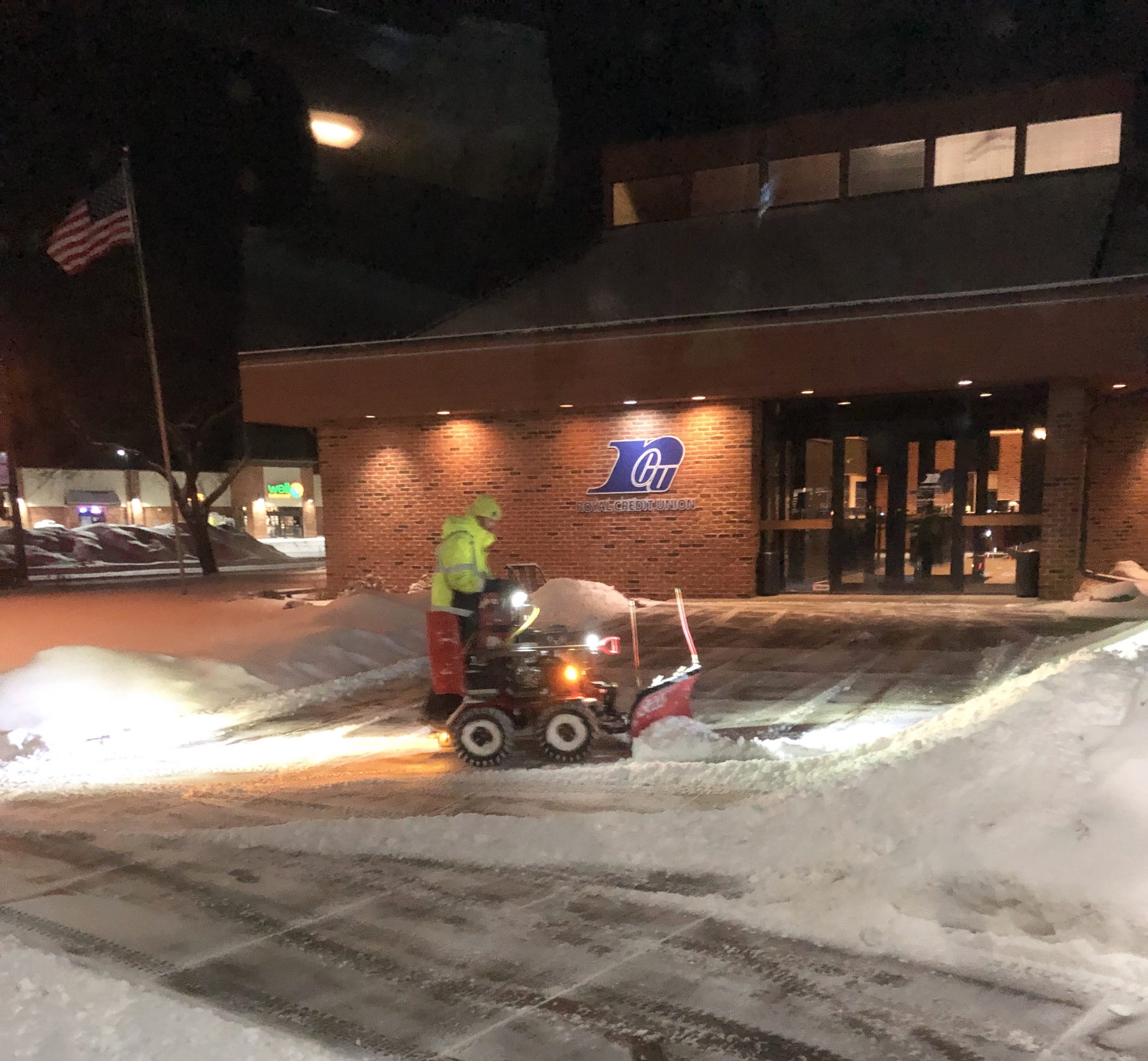
Snow can reduce driveway width, block garage access, cover sidewalks, and occupy limited yard space. Homes on compact lots may have fewer places for snow storage than residences with open ground.
Fitzgerald Lawn Care reviews the driveway, approach, walking routes, and available storage areas before arranging winter service.
Where a driveway crosses a sidewalk, plowing should account for both vehicle and pedestrian access. Snow placed near the street can also affect visibility.
The route from the road to the garage and any widening near the home are included in the service review.
Vehicles left in the clearing area can prevent equipment from reaching the full driveway surface. Repositioning them before service allows more complete access.
Homeowners should explain any regular parking arrangement that affects the plowing plan.
Small storage areas may fill quickly after multiple storms. Piles can block sightlines, cover part of the lawn, or leave no room for the next snowfall.
Snow removal may be used when material needs to be carried away rather than pushed elsewhere on-site.
Municipal plows may leave dense snow at the end of a driveway after the residential route has been cleared. This material can be heavier and more compact than freshly fallen snow.
The driveway entrance should remain accessible whenever follow-up clearing is expected.
Conditions Around Hammond Homes
Hammond properties range from close neighborhood lots to larger yards in the surrounding town. Compact lawns may receive concentrated traffic, while open properties can experience greater wind and moisture variation. Newer yards may have different soil density from established lawns. Mature neighborhoods can include deeper shade, tree roots, and older landscape beds.
Winter snow-storage options also vary by lot size and driveway layout. Fitzgerald Lawn Care reviews the specific home rather than applying one plan throughout the area.
Local Residential Property Service
Fitzgerald Lawn Care provides mowing, edging, aeration, mulch installation, lawn pest control, mole and pocket gopher trapping, snow plowing, and snow removal in Hammond.
We examine the relevant parts of the property, explain the proposed service, and provide an estimate based on the work required.
Fitzgerald Lawn Care also serves:
Hammond Lawn and Snow Questions
Fitzgerald Lawn Care provides residential lawn maintenance, mulch installation, lawn insect control, mole and pocket gopher trapping, snow plowing, and snow removal in Hammond, Wisconsin. Tell us which service you need and identify the areas requiring attention. We will review the property and prepare an estimate.