

Local Lawn Pest Control
Fitzgerald Lawn Care treats grubs and other outdoor insects that damage lawns, landscape plants, and areas around homes in Western Wisconsin and Eastern Minnesota.
Your Lawn Pest Plan
Treatment starts with the damage you are seeing and where it is appearing. The lawn, soil, plants, and nearby areas are checked before a product is selected.
We look at brown patches, loose turf, chewed leaves, thinning grass, and other visible damage around the lawn and landscape.
The crew looks for insects, larvae, feeding damage, disturbed soil, and other signs that help identify what is affecting the property.
The findings determine whether the lawn needs grub treatment, plant pest treatment, another insect treatment, or a separate service for disease or another lawn problem.
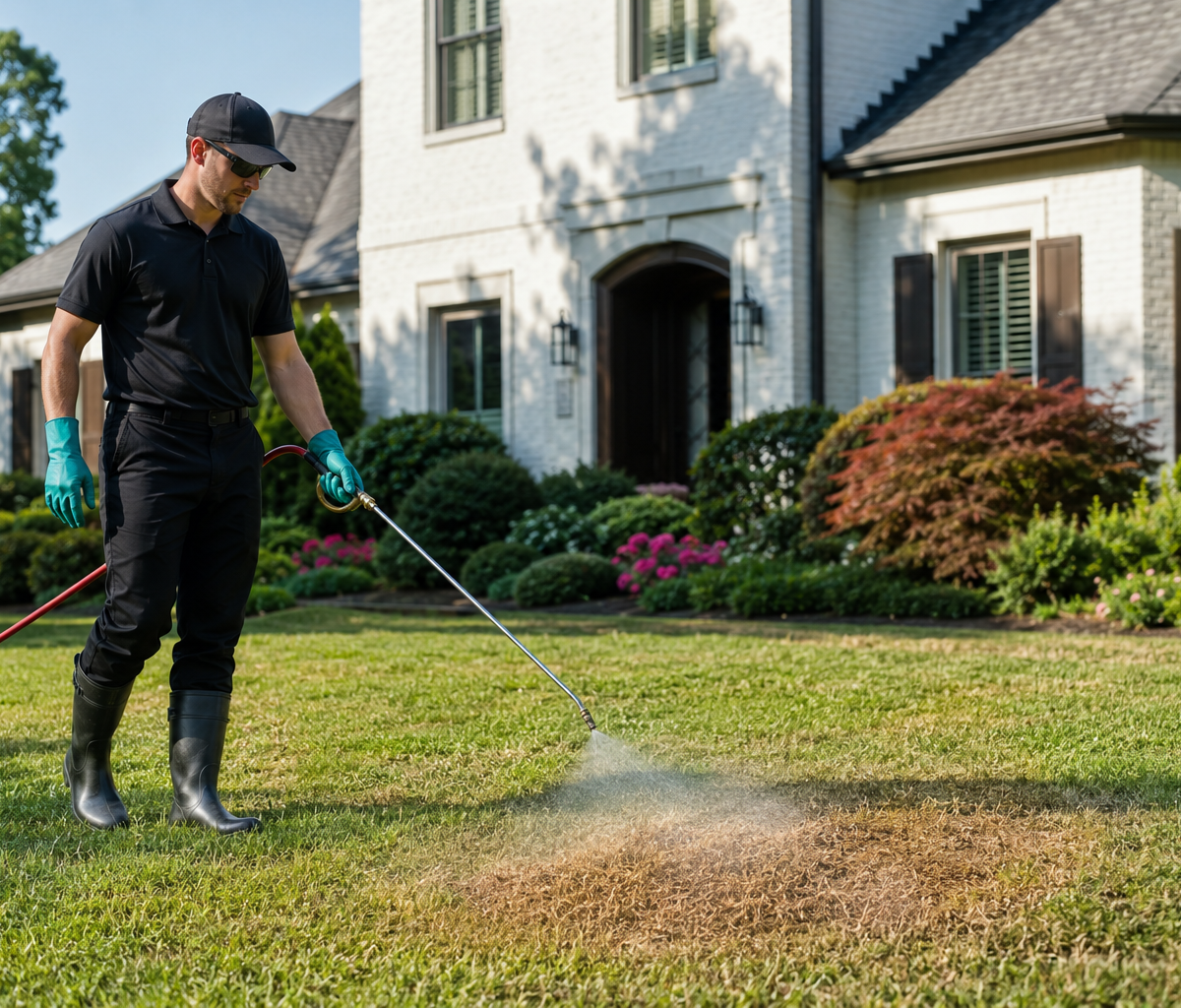
Treatment is applied to the areas where the pest is active or likely to cause damage. The method depends on the insect and the part of the property involved.
You will receive instructions about people, pets, mowing, watering, and when treated areas can be used again.
Some lawn areas need time to recover after the insects are controlled. Let us know if new damage appears or activity continues after the treatment has had time to work.
Follow the instructions provided after service. Watering, mowing, and lawn access can vary with the treatment completed that day.
Keep children and pets off treated areas until the return instructions have been followed. Do not rely on a general waiting period from another lawn service. Use the directions provided for your application.
Some treatments may need water to move into the soil. Others need time to remain on the treated surface. Water only when instructed. Adding water at the wrong time may affect how the application works.
Follow the mowing instructions left after service. Mowing too soon may remove material before it has had enough time on the grass.
Avoid digging, raking, or moving soil in treated areas unless the crew says it is safe to do so.
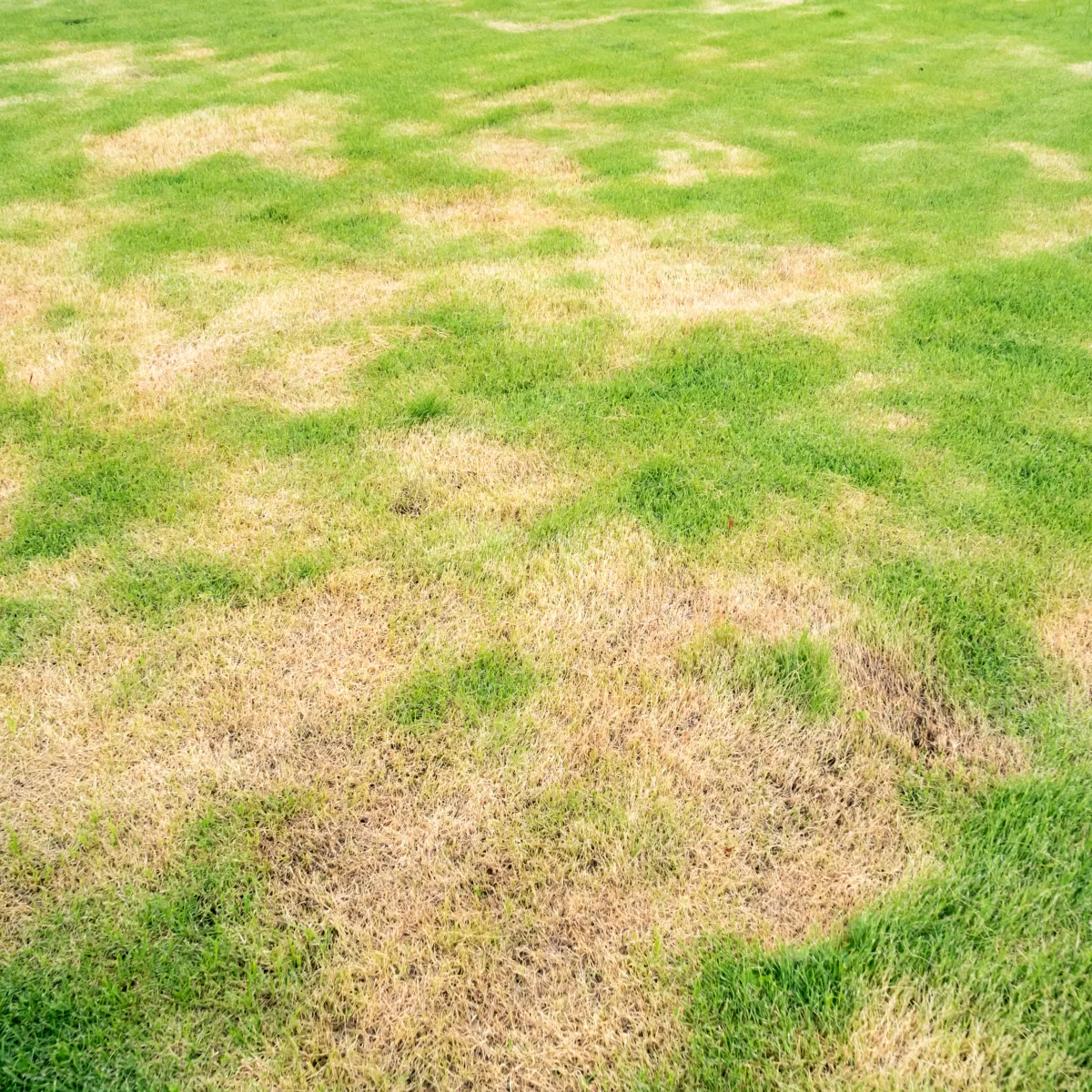
Look for new brown patches, loose turf, continued insect activity, or fresh plant damage. Take a photo and note where the problem is appearing. This makes it easier to compare changes and explain what you are seeing.
Protect the Grass Roots
Grubs live in the soil and feed on grass roots. Because the damage begins underground, the lawn may look dry or weak before the cause is clear.
Affected turf may turn brown, thin out, or pull away from the soil more easily than healthy grass. Moles, skunks, crows, and other animals may also dig or peck at the lawn while searching for grubs.
That animal activity can add more damage, but it does not prove grubs are present. The soil and turf should be checked before treatment is selected.
Grubs are the young stage of certain beetles, including June beetles. Treatment timing matters because their location and feeding activity change as they develop.
Controlling the insects does not instantly replace lost grass. Areas with root damage may also need proper watering, fertilization, overseeing, or other recovery work.
Protect Landscape Plants
Plant-feeding insects can damage the leaves and flowers of many landscape and garden plants. Damage may appear as leaves with only the veins remaining or groups of insects feeding on the same plant.
Plant damage can have several causes, so the leaves, flowers, stems, and nearby insect activity should be checked before treatment.
Seeing one insect does not always mean the entire property needs treatment. We check where insects are feeding, how much damage is present, and which plants are affected.
Treatment can reduce active feeding in the areas being serviced. Continue checking plants because new insects may arrive from nearby properties during the season.

Treat the Home Perimeter
Insects living outside may gather near the foundation, doors, windows, utility openings, and other entry points.
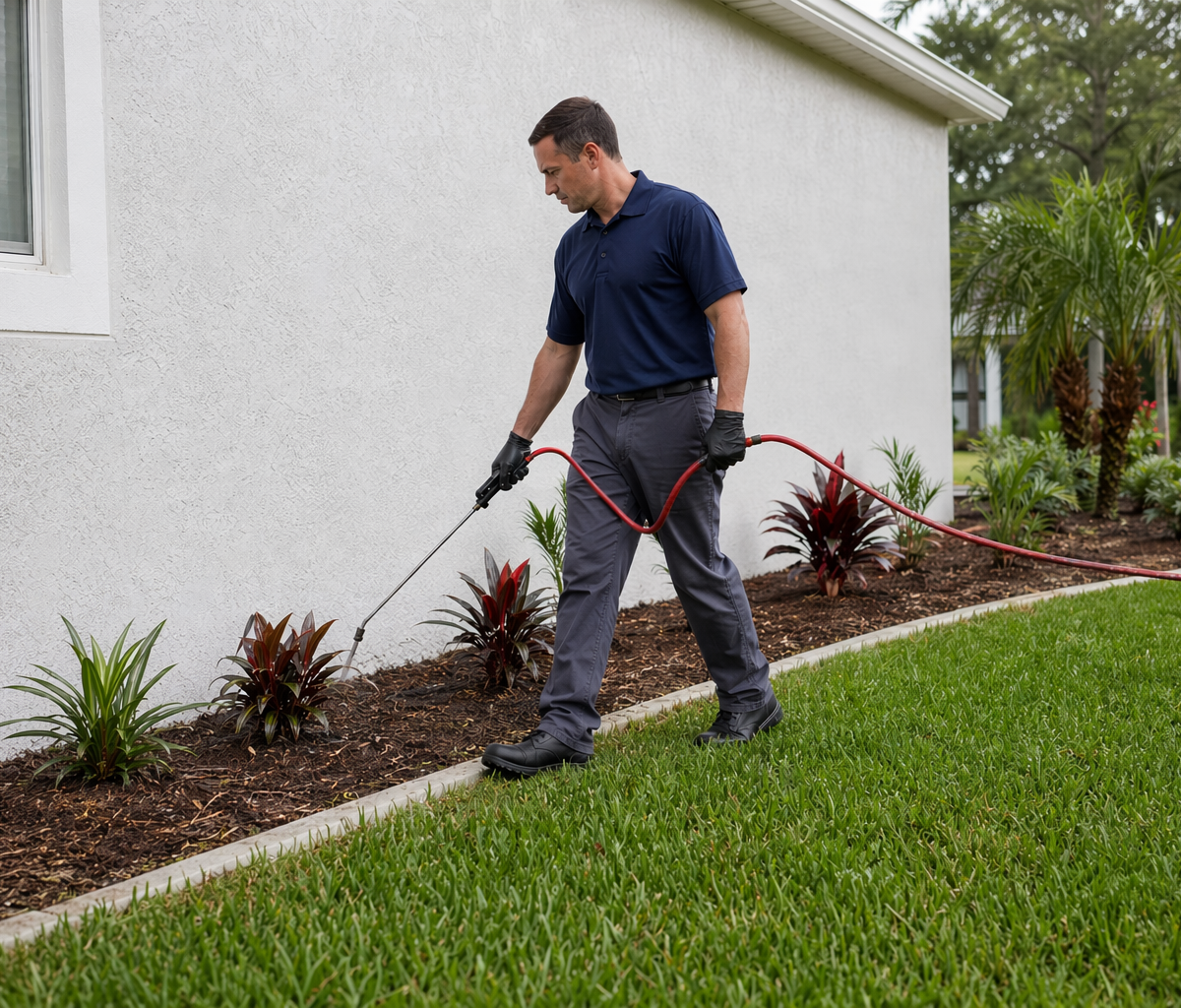
Exterior perimeter pest control treats areas around the outside of the home. It is intended for outdoor pest activity and does not replace repairs that close gaps or openings.
Keep vegetation trimmed away from the building where possible. Move stacked materials, debris, and other insect hiding places away from the foundation.
Perimeter treatment is separate from grub and plant pest treatment. Your estimate should identify the pest service included and which areas will be treated.
Know What Damage to Watch
Contact Fitzgerald when you notice damage that appears quickly, continues spreading, or does not improve with normal lawn care.
Brown or thinning patches
Turf that feels loose underfoot
Grass that lifts away from the soil
Chewed or damaged leaves
Increased digging by birds or animals
Insects gathering near the home
Damage that continues despite watering
These signs can have more than one cause. Heat, drought, sprinkler problems, disease, pet activity, and compacted soil can look similar.
Avoid adding insect treatment without knowing what is present. An inspection gives the crew a better chance of matching the service to the problem.
Local Pest Control Service
Fitzgerald Lawn Care has served New Richmond and nearby communities in Western Wisconsin and Eastern Minnesota for more than a decade.
Our crew checks the damaged areas before recommending treatment. That matters because grub damage, lawn disease, dry soil, and poor sprinkler coverage may all leave brown grass.
Available services include grub treatment, plant pest treatment, lawn insect control, and exterior perimeter pest control.
You will know which areas are being treated, what to do afterward, and when people and pets can return. If the damage has another cause, we can explain which lawn care service may be more appropriate.

Need help with another problem around the property?
Lawn care and maintenance includes mowing, weed control, aeration, overseeing, dethatching, and seasonal cleanup.
Lawn disease control addresses damage caused by lawn diseases rather than insects.
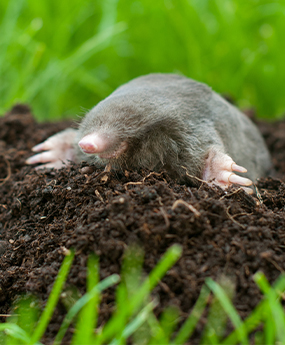
Mole and pocket gopher trapping deals with burrowing animals that leave tunnels, mounds, and raised soil.
Five-step fertilization provides scheduled lawn feeding and weed treatment from early spring through fall.
Mulch installation refreshes beds around trees, shrubs, flowers, and other established plants.
Common Lawn Pest Questions
Here are answers to common questions about grub damage, plant-feeding insects, perimeter pest control, treatment timing, lawn access, and recovery.
Brown grass, loose turf, chewed leaves, and unexpected insect activity should be checked before the damage spreads.
Tell us where the problem is appearing and what you have noticed. We will inspect the area, identify the likely cause, and explain which treatment fits.