Residential Yard and Winter Care
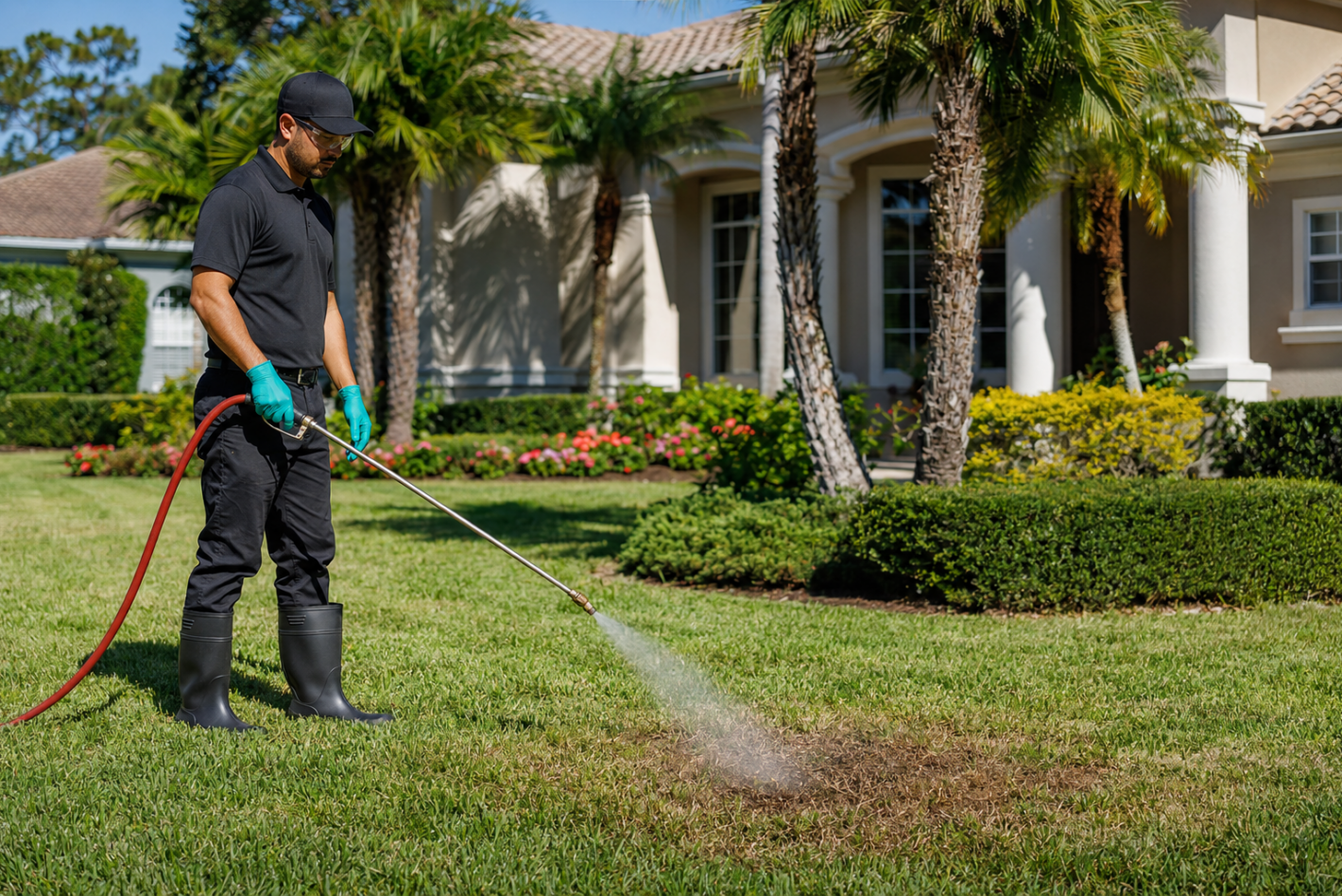
Fitzgerald Lawn Care provides lawn maintenance, mulch installation, lawn insect control, mole and pocket gopher trapping, snow plowing, and snow removal for Lakeland homeowners. We review the yard, landscape beds, pest signs, or winter access area before recommending service. The property’s terrain, vegetation, layout, and current condition all help determine the work required.
Property Care Along the St. Croix River Valley
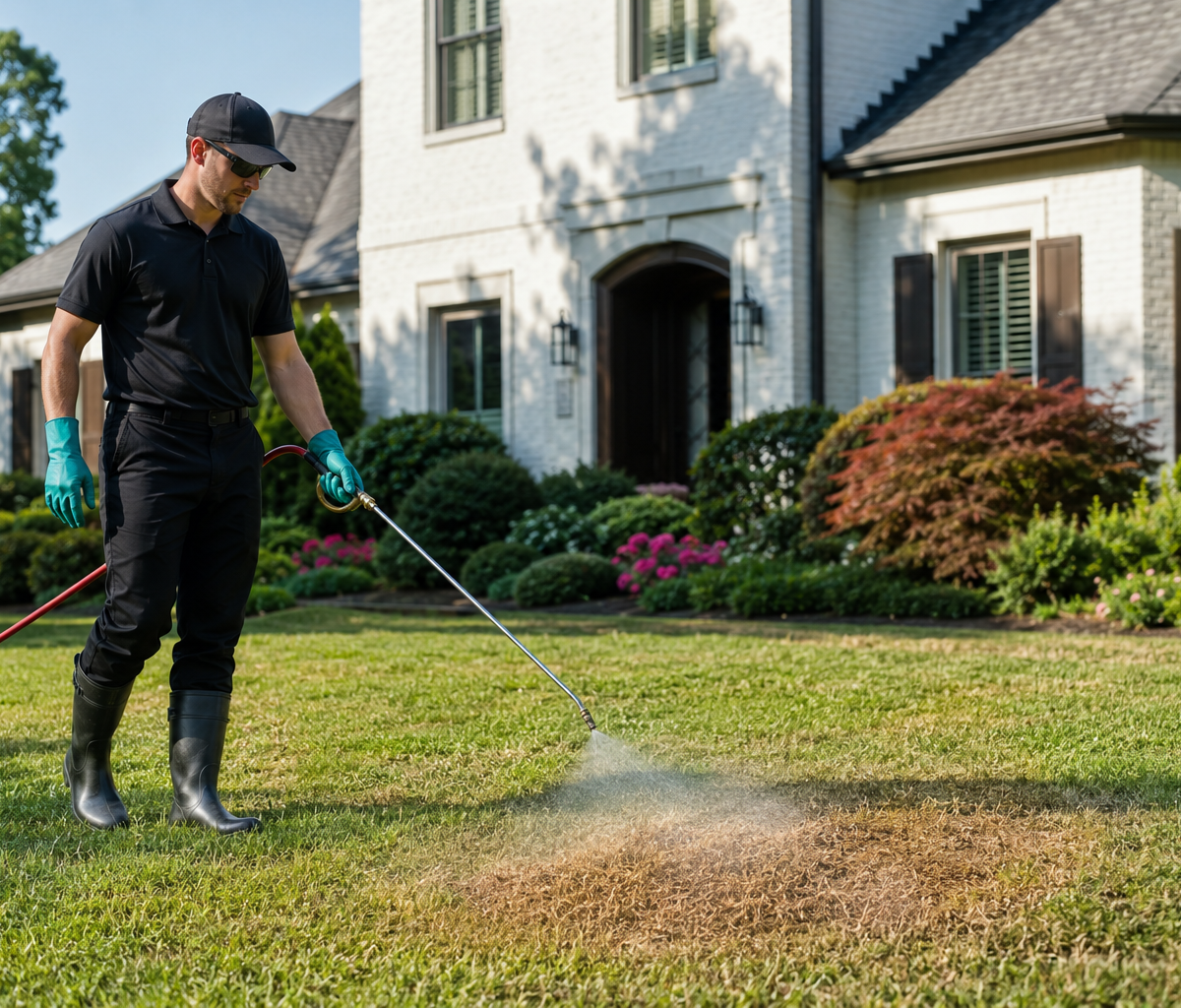
Lakeland is located in Washington County along the St. Croix River. Homes throughout the area may sit on spacious wooded lots, elevated ground, sloping land, or established residential streets.
River-valley terrain and mature vegetation can create substantial variation within one yard. Tree-covered sections may remain shaded and damp, while exposed grass may lose moisture quickly. Slopes can influence runoff, and surface roots may limit turf coverage beneath established trees.
Driveways may also curve through wooded areas or change elevation between the road and home. Fitzgerald Lawn Care considers these individual features when planning lawn, mulch, pest, trapping, or snow service.
Lawn Maintenance for Lakeland Properties
A residential lawn can contain open turf, tree-covered sections, steep edges, and small grass areas between landscape features. Each section may require a different level of access and attention.
Fitzgerald Lawn Care offers mowing, edging, aeration, and seasonal maintenance based on the shape and condition of the yard.
Tree trunks, low branches, roots, and planting rings can interrupt normal mowing routes. Grass beneath the canopy may also grow more slowly than turf in open sunlight.
We account for these obstacles and growth differences when maintaining the lawn. Homeowners should identify newly planted trees and other sensitive areas before service.
Lakeland yards may have curved driveways, winding paths, patios, tree beds, and natural borders rather than simple straight lines.
Edging follows these transitions to create a clearer separation between maintained turf and other parts of the property.
Compacted soil is one possible cause of thinning grass. It may develop where vehicles, equipment, pets, or people repeatedly use the same ground.
Aeration creates openings through the upper soil layer so air, nutrients, and water can reach the roots.
Slopes can become slick when wet and may dry at different rates from level turf. Steeper sections may also contain exposed roots, stones, or uneven ground.
Mowing timing and access are evaluated according to surface conditions rather than lawn height alone.
Mulch for Lakeland Trees and Planting Beds
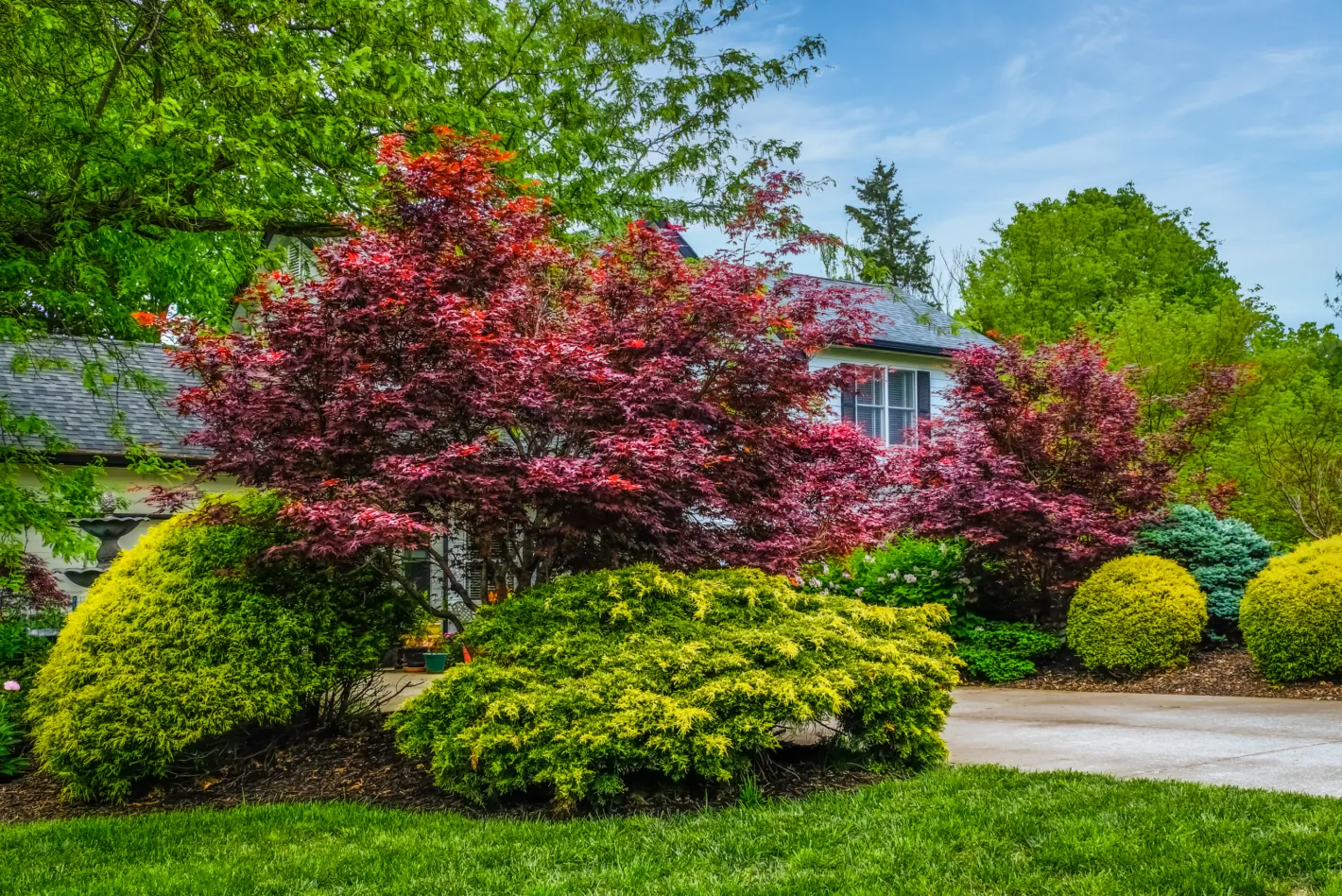
Mulch can connect planting areas throughout a wooded residential property while protecting exposed soil from rapid moisture loss. It may be used around trees, shrubs, perennial beds, and the foundation.
Fitzgerald Lawn Care evaluates the existing material, bed dimensions, plant locations, and property access before estimating installation.
Large roots may rise through planting areas or remain visible near the soil surface. They should not be covered beneath unnecessarily deep material.
We inspect root flares and surface roots before determining the finished mulch depth.
Beds near wooded sections may collect leaves, twigs, seedlings, and spreading vegetation. The desired boundary should be identified before preparation begins.
Some natural material may remain outside the formal bed while the maintained area receives new mulch.
Loose mulch can move downslope during heavy rainfall. Existing washout, bare channels, and material buildup near the lower edge provide clues about water movement.
Bed shape and border condition are considered before installation.
Material should not cover siding, vents, window openings, door thresholds, or other exterior features requiring clearance.
We use the existing grade and planting layout to establish appropriate placement around the home.
Weed Control for Lakeland Lawns
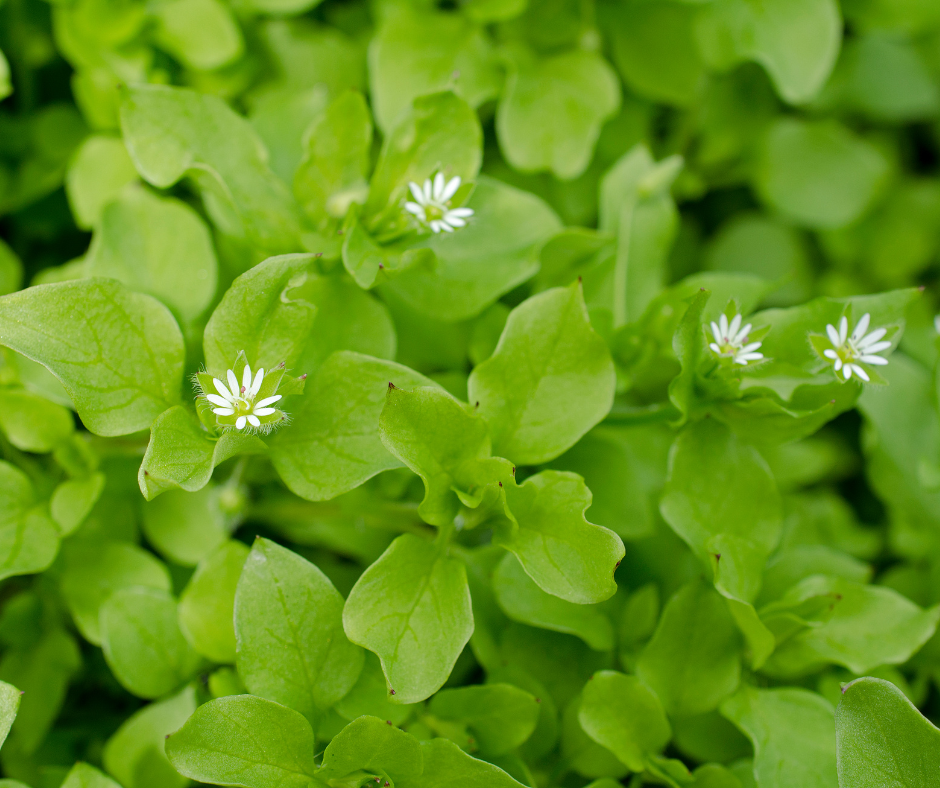
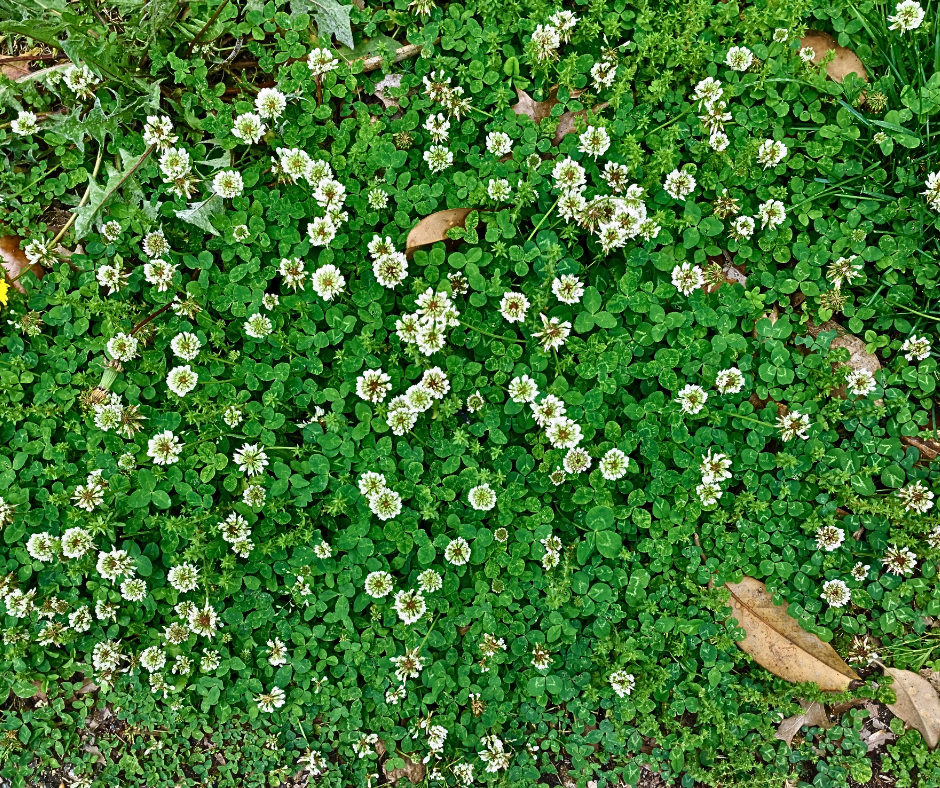
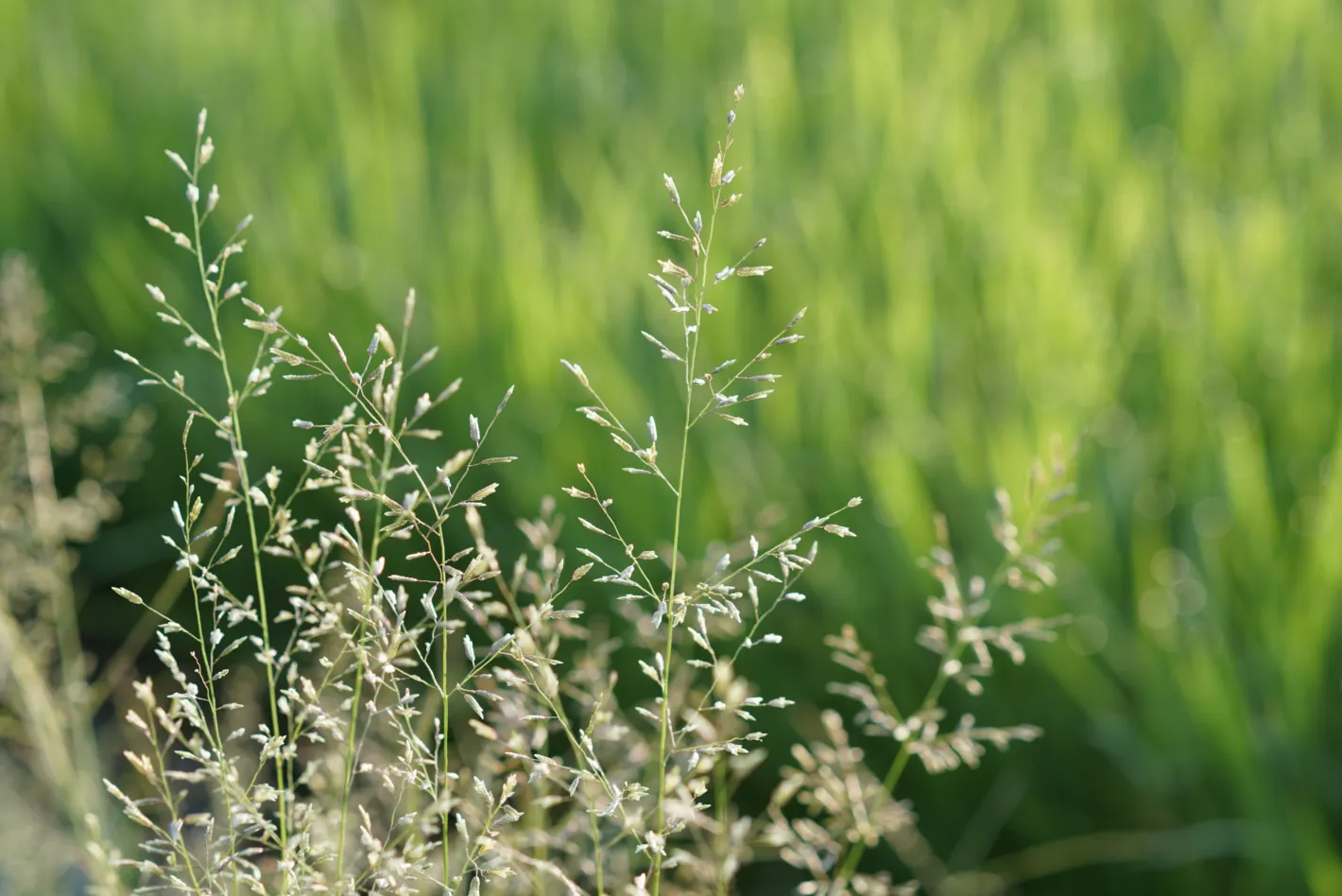
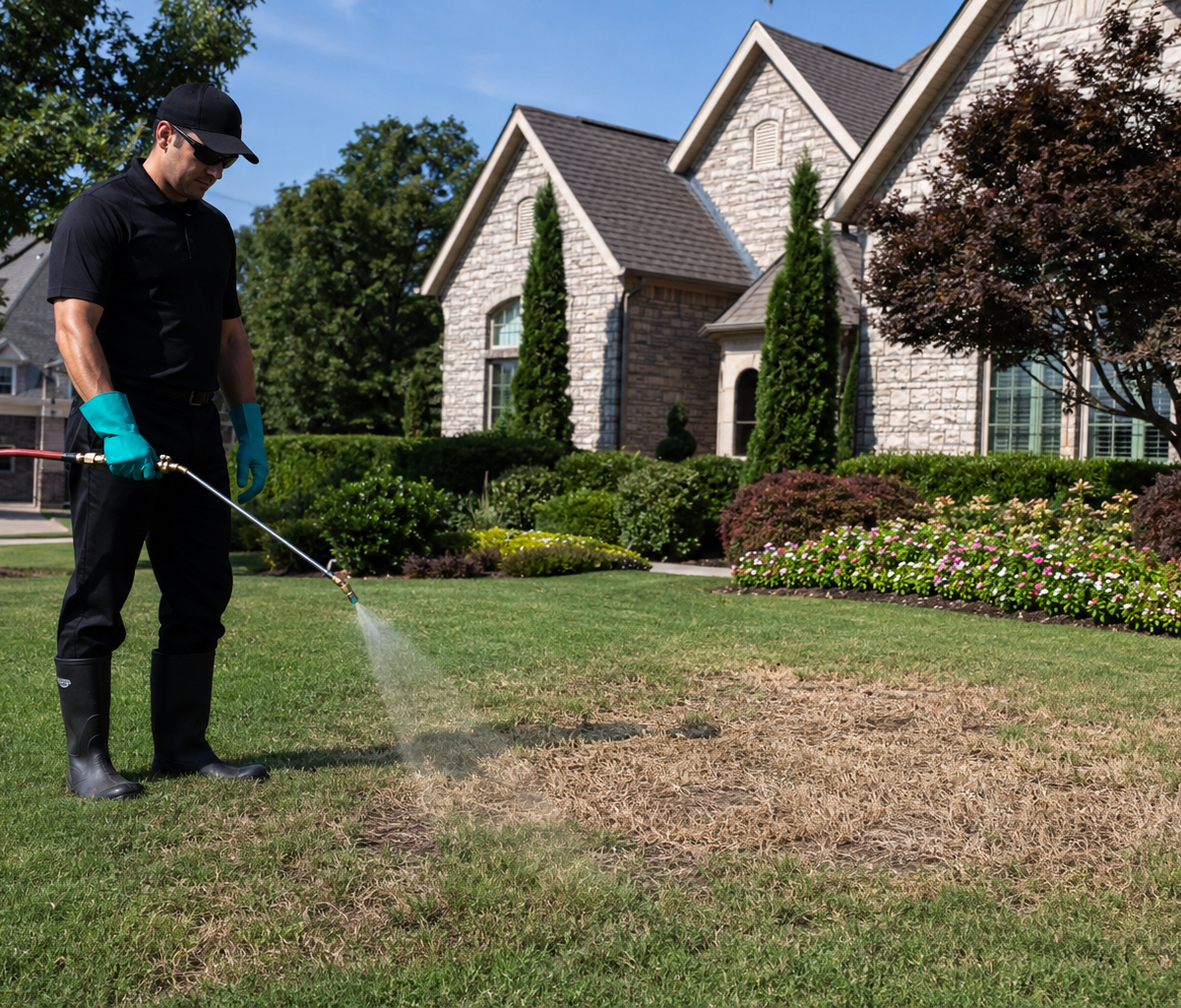
Wooded lots, slopes, and varied moisture can support different weeds across Lakeland yards. Fitzgerald Lawn Care identifies the growth and reviews the surrounding turf before treatment.
Limited sunlight, leaf buildup, and root competition may thin grass beneath mature trees, leaving room for weeds.
Water can carry seeds downhill or expose soil where turf has weakened, encouraging unwanted growth.
Identify gardens, new grass, sensitive plantings, and recent lawn products. Weed type, maturity, weather, and turf condition determine treatment timing.
Evaluating Lawn Insect Problems
Turf beneath trees or near natural vegetation may decline for several reasons. Insects are one possibility, but shade, root competition, wildlife, moisture, and soil conditions may produce similar signs.
Fitzgerald Lawn Care investigates the damaged area before recommending treatment.
Grub feeding can reduce the roots that anchor grass to the soil. Affected turf may feel spongy, lift easily, or develop irregular areas of discoloration.
Looking below the surface helps determine whether grubs are present and whether root damage supports treatment.
Beetles may appear around flowers, shrubs, tree foliage, or exterior lights. Their presence elsewhere on the property does not automatically connect them to lawn damage.
We compare the insect found with the affected plants or turf before recommending control.
Dense canopy cover reduces sunlight, and established tree roots compete with turf for moisture. Grass may remain thin under these conditions even when insects are absent.
The amount of light and surrounding root activity are considered during inspection.
Birds and mammals may disturb grass while looking for insects. Their digging can enlarge an existing weak area or create damage where the turf was previously intact.
The soil and roots should be examined rather than relying only on the animal activity.
Burrowing Animal Control in Lakeland
Moles and pocket gophers may enter lawns from wooded edges, open land, or adjoining natural areas. Their tunnels can lift turf, disturb roots, and leave piles of soil across the yard.
Fitzgerald Lawn Care uses recent surface evidence to determine likely movement.
Moles may travel along planting beds, wooded borders, fences, and shaded ground where soil remains suitable for their food sources.
Fresh ridges and intersections can help distinguish active routes from old tunnels.
Pocket gopher soil deposits may be harder to recognize on slopes or among leaf litter. Fresh color, loose texture, and mound arrangement provide useful clues.
The main burrow is located by interpreting how soil was pushed away from it.
Tree roots can create long raised lines beneath turf that resemble older mole ridges. Roots generally remain firm and stationary, while active tunnels feel softer and may change.
We examine the area before placing traps.
Burrowing animals can extend routes beneath landscape beds, across slopes, or toward more open grass. New signs may appear some distance from the original activity.
Homeowners should report fresh disturbances and leave marked areas unchanged.
Snow Service for Lakeland Homes
Lakeland’s wooded and sloped residential properties can create challenging winter access. Snow may narrow curved driveways, hide pavement edges, collect near garage entrances, and limit visibility at the road.
Fitzgerald Lawn Care evaluates driveway shape, elevation, obstacles, and storage areas before arranging plowing or removal.
Trees, branches, rocks, retaining features, and drainage areas may sit close to the travel surface. Snow can make those boundaries difficult to recognize.
Markers should identify hidden obstacles, and low branches should be noted before winter service begins.
A change in grade or direction affects where equipment can safely maneuver and place snow. Banks along the inside of a curve can reduce usable width.
The route and any turnaround near the home should remain free from vehicles and portable objects.
Trees, slopes, and snowbanks can make it harder to see traffic when leaving a driveway. Piles near the road may need to be positioned or reduced with visibility in mind.
Storage choices should also account for future snowfall.
Wooded lots can appear to offer abundant storage, but trees, drainage, steep ground, and sensitive plantings may limit practical placement.
Snow removal may be appropriate when piles interfere with access or cannot be pushed farther without affecting the yard.
Local Conditions Around Lakeland Homes
Lakeland’s location along the St. Croix River creates a landscape with wooded slopes, river views, mature vegetation, and properties at different elevations.
Shade can prolong spring moisture and reduce summer turf density. Open sections may dry faster, while runoff can move through sloped beds and lawns. Natural cover can also support insects and burrowing animals.
During winter, elevation changes and wooded driveway approaches can complicate snow storage and access. Fitzgerald Lawn Care considers the conditions found at each home.
Local Residential Property Service
Fitzgerald Lawn Care provides lawn mowing, edging, aeration, mulch installation, lawn pest control, mole and pocket gopher trapping, snow plowing, and snow removal in Lakeland.
We inspect the requested areas, explain the proposed work, and provide an estimate based on the property and selected services.
Fitzgerald Lawn Care also serves:
Lakeland Lawn, Pest and Snow Questions
Fitzgerald Lawn Care provides residential lawn maintenance, mulch installation, lawn insect control, mole and pocket gopher trapping, snow plowing, and snow removal in Lakeland, Minnesota. Tell us which areas need attention and what conditions you have noticed. We will review the property and prepare an estimate for the recommended service.