

Local Lawn Disease Care
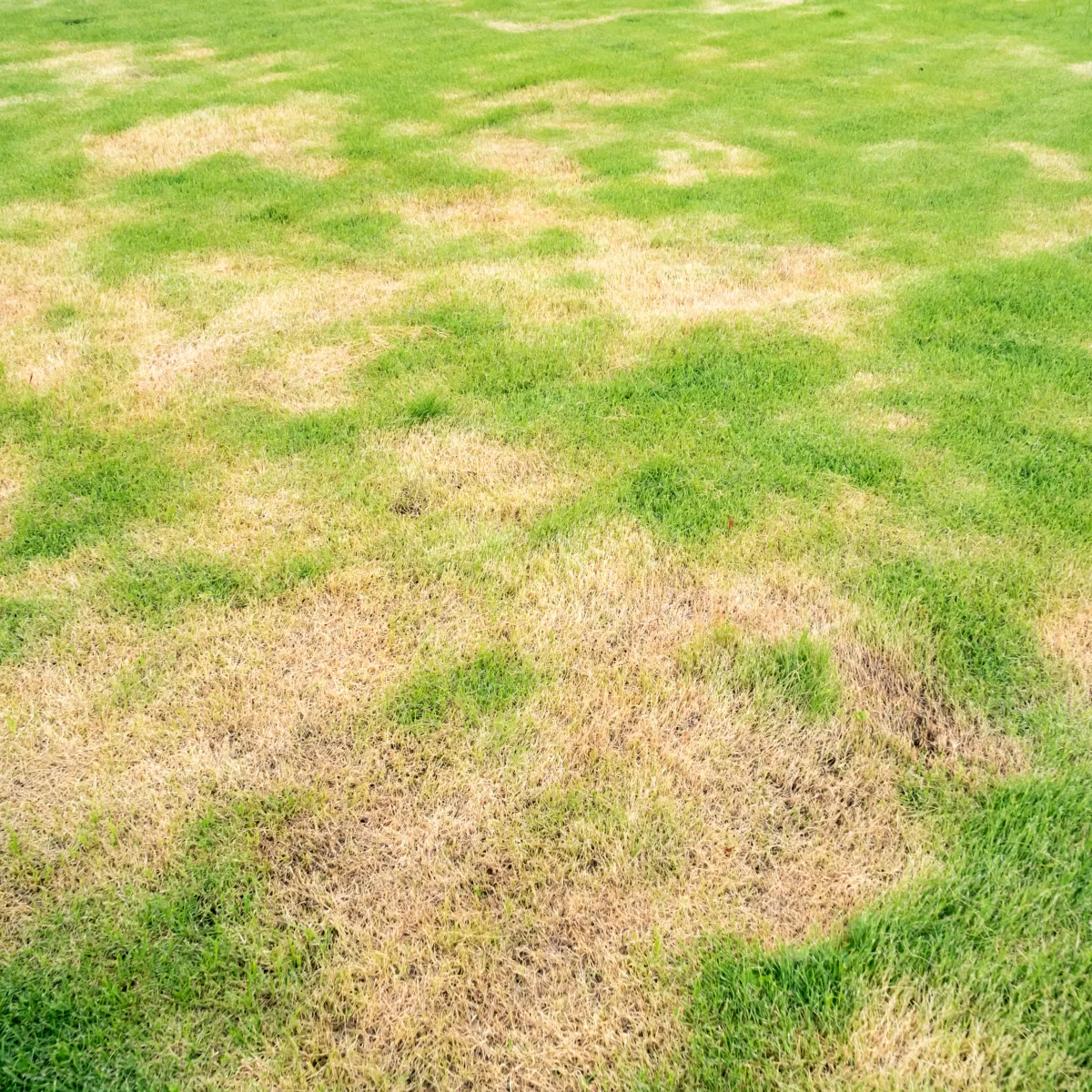
Brown patches, thinning grass, matted turf, rings, and discolored blades may be signs of lawn disease. Fitzgerald Lawn Care checks the affected grass, identifies the likely cause, and recommends treatment when disease is present.
A proper lawn assessment matters because drought, insects, pet damage, fertilizer injury, poor drainage, and mowing problems can produce similar symptoms.
Your Lawn Disease Plan
The affected grass is checked for circles, rings, irregular patches, thinning, matted blades, unusual colors, powdery material, and other visible changes.
The affected grass is checked for circles, rings, irregular patches, thinning, matted blades, unusual colors, powdery material, and other visible changes. Tell the technician when the symptoms first appeared, how quickly they spread, and whether the area has received any recent fertilizer, weed control, insect treatment, or irrigation.
Grass blades, crowns, roots, and surrounding turf are reexamined for signs that may distinguish disease from other lawn problems. Roots that are short, weak, loose, or damaged may point to insects, compaction, excess moisture, or another condition. Damage limited to the leaf blades may suggest a different cause.
Shade, drainage, soil moisture, thatch, mowing height, watering time, and recent weather are considered. Lawn disease often becomes active when the grass remains wet for too long or is already under stress. Correcting those conditions may be as important as treating the visible disease.
The findings are used to determine whether the damage is consistent with lawn disease, insects, drought, pet activity, chemical injury, drainage problems, or another issue. Some lawn problems cannot be confirmed by appearance alone. If the cause remains uncertain, further observation or diagnostic testing may be recommended before treatment.
When disease treatment is appropriate, the selected product is applied to suitable lawn areas according to the service plan and label directions. Treatment may focus on the affected section, nearby at-risk turf, or a broader area when the disease pattern and lawn conditions support that approach.
Stopping or slowing disease activity does not instantly replace damaged grass. Recovery depends on the severity of the damage, grass type, season, soil conditions, and whether the roots and crowns remain healthy.
Watering changes, mowing adjustments, fertilization, aeration, or overseeding may be recommended to help the lawn recover after the disease is under control.
Request a Free Lawn Disease Assessment
Care After Treatment
Follow the instructions provided after treatment. Watering, mowing, lawn traffic, and clipping management may need to change while the grass recovers.
More water is not always better for a struggling lawn. Frequent evening watering can leave the grass wet overnight and create conditions that support some diseases.
Water only as instructed. When irrigation is needed, early morning watering usually allows the grass blades to dry sooner than watering late in the day.
Wait for the recommended period before mowing a treated lawn. When mowing resumes, use a sharp blade and avoid removing too much grass at once.
A dull blade tears the grass instead of cutting it cleanly. Torn blades lose moisture more easily and may leave stressed turf more vulnerable to further damage.
Healthy lawn clippings can normally remain on the grass, but heavily diseased clippings may need to be collected while symptoms are active.
The University of Minnesota Extension recommends removing clippings when lawns are heavily affected by diseases such as leaf spot, rust, or dollar spot.
Do not place recently treated or diseased clippings around vegetables, flowers, or ornamental plants unless the service instructions confirm that it is appropriate.
Avoid repeated foot traffic, play, mowing, or equipment use across soft, wet, or badly damaged turf.
Weak grass can pull loose or become more compacted before it has had time to recover.
Disease material can collect on mower decks, wheels, and other equipment. Remove built-up grass and soil before moving from a heavily affected area to healthy turf.
Follow the mower manufacturer’s cleaning and safety instructions.
Take note of any new patches, rapid spreading, unusual colors, powder on the grass, or areas that fail to recover.
Photos taken every few days from the same position can make changes easier to see. Contact Fitzgerald Lawn Care if the damage persists after the treatment has had time to take effect.
Recognize Lawn Disease
Cool-season grasses in Western Wisconsin and Eastern Minnesota can develop different diseases as weather and lawn conditions change. The appearance of a patch is helpful, but it should not be treated as a diagnosis by itself.
Snow mold becomes visible as winter snow melts. The grass may appear matted, gray, tan, or slightly pink, with patches ranging from a few inches to much larger areas.
Long periods of snow cover, wet grass, leaves left on the lawn, and late-season growth can increase the risk. Lightly raking matted grass may help improve airflow, but damaged areas should be checked before additional treatment or seed is applied.
Dollar spot can create small, pale patches that may grow together into larger areas of thin grass. Individual blades may show light-colored sections bordered by darker tissue.
The disease is often associated with humidity, prolonged leaf moisture, and grass that is not receiving suitable nutrition.
Red thread may appear as irregular tan or faded patches. Fine red or pink strands can sometimes be seen among affected grass blades.
It often becomes active during cool, damp periods and may be more noticeable in lawns with low available nitrogen.
Rust can leave orange or reddish-brown powder on grass blades, mower wheels, shoes, or clothing. The lawn may also look yellow or thin from a distance.
Slow-growing grass, shade, humidity, dry soil, and low fertility can contribute to the problem. The lawn should be checked before adding fertilizer or water because yellow grass can have several causes.
Summer patch may form rings or irregular areas of weak, wilted, or straw-colored turf. Symptoms often become visible during hot weather even though infection may have started earlier.
Compacted soil, poor rooting, excess moisture, and heat stress can worsen the damage.
Necrotic ring spot can create circular, straw-colored patches, sometimes with greener grass returning in the center.
It is often associated with Kentucky bluegrass and may become more visible when grass moves from cool, wet conditions into heat or drought stress.
The University of Wisconsin Extension lawn disease guide lists snow molds, necrotic ring spot, summer patch, dollar spot, red thread, and rust among diseases affecting cool-season lawns.
Disease or Something Else
Treating the wrong problem wastes time and may place more stress on the grass. Several common lawn problems can resemble disease.
Dry grass may fade, curl, or turn brown. Damage is often more severe on slopes, beside pavement, or in places receiving uneven irrigation.
Adding water may help drought-stressed turf, but it can worsen disease when the soil is already wet.
Grubs feed underground and can damage grass roots. Armyworms and other insects may feed on grass blades above the surface.
Grass with severe root damage may pull away from the soil more easily. Lawn pest and insect control should be considered when insects or root feeding are part of the problem.
Pet urine can leave small brown circles, sometimes with darker green growth around the edge. Several spots close together can form a larger damaged area.
Disease treatment will not repair pet damage.
A spill, incorrect application, or treatment moving outside the intended area can burn or kill grass.
The shape of the damage may follow the application path, the spreader pattern, or the location where a product was mixed or spilled.
Grass in low areas may thin when water sits for too long. Constantly wet soil also limits oxygen around the roots and can support certain diseases.
Disease treatment will not correct a broken drainage system or repeated flooding.
Cutting too short, mowing during severe heat, using a dull blade, or repeatedly turning equipment in the same place can injure grass.
The damage may appear in lines, strips, or worn areas that follow the mower’s path.
Reduce Disease Pressure
Lawn disease cannot always be prevented, but daily care affects how easily grass becomes stressed.
Water deeply enough to reach the root zone, but do not keep the lawn constantly wet. Early morning watering gives the blades time to dry during the day.
Mow at a suitable height for the grass, and avoid removing more than one-third of its growth in a single visit. Keep mower blades sharp and reduce traffic when the lawn is wet or under severe heat stress.
Remove heavy leaf cover before winter. Leaves can trap moisture against the grass, creating matted areas beneath the snow.
Fertilizer should match the grass and season. Too little nutrition may leave the lawn weak, while too much can push soft growth or contribute to other problems. Fitzgerald Lawn Care’s five-step fertilizer program provides seasonal applications from early spring through fall.
Compacted soil, heavy thatch, and poor drainage may also need attention. Lawn care and maintenance can include aeration, dethatching, overseeding, mowing, and other supporting services.

Give the Grass Time
Disease treatment controls the active problem when treatment is appropriate. It does not immediately turn damaged grass green again.
Grass with healthy crowns and roots may recover as growing conditions improve. Areas with severe damage may remain thin and need overseeing or repair.
The recovery plan depends on the season. Seeding during severe summer heat or immediately before winter may not give new grass enough time to establish. The damaged area may need to be stabilized first and repaired when conditions are more suitable.
Do not apply extra fertilizer, seed, or lawn products without checking whether they are compatible with the recent treatment. Adding several products at once can make the lawn harder to assess and may increase stress.
If the lawn is not improving, the cause should be reviewed again. Disease may no longer be active, but drainage, compaction, irrigation, shade, or insects may still be affecting recovery.
Local Lawn Disease Care
Fitzgerald Lawn Care serves properties across Western Wisconsin and Eastern Minnesota, where cool-season grass must handle snow cover, wet spring weather, summer humidity, heat, and changing rainfall.
The affected lawn is assessed before treatment is recommended. Grass blades, roots, soil moisture, shade, drainage, mowing, watering, and recent weather are considered to ensure that disease is not mistaken for insects, drought, or other problems.
If disease treatment is appropriate, the service and aftercare are explained clearly. If the damage points to another cause, the next step may involve weed control, pest treatment, aeration, overseeding, fertilization, or a change in lawn care rather than disease treatment.

Common Trapping Questions
Here are clear answers to common questions about lawn disease symptoms, treatment, watering, mowing, recovery, and when damaged grass may need reseeding.
Brown or thinning grass can spread while you are still deciding whether it needs more water, fertilizer, insect control, or disease treatment.
Fitzgerald Lawn Care can review the damaged area, compare the symptoms with those of other common lawn problems, and explain the next steps. If disease treatment is appropriate, your estimate will identify the service and any preparation or aftercare the lawn needs.
Share the property address, when the damage first appeared, and any recent changes to watering, mowing, fertilization, or other lawn treatments. Photos can also help show how quickly the area is changing.