Year-Round Residential Property Care
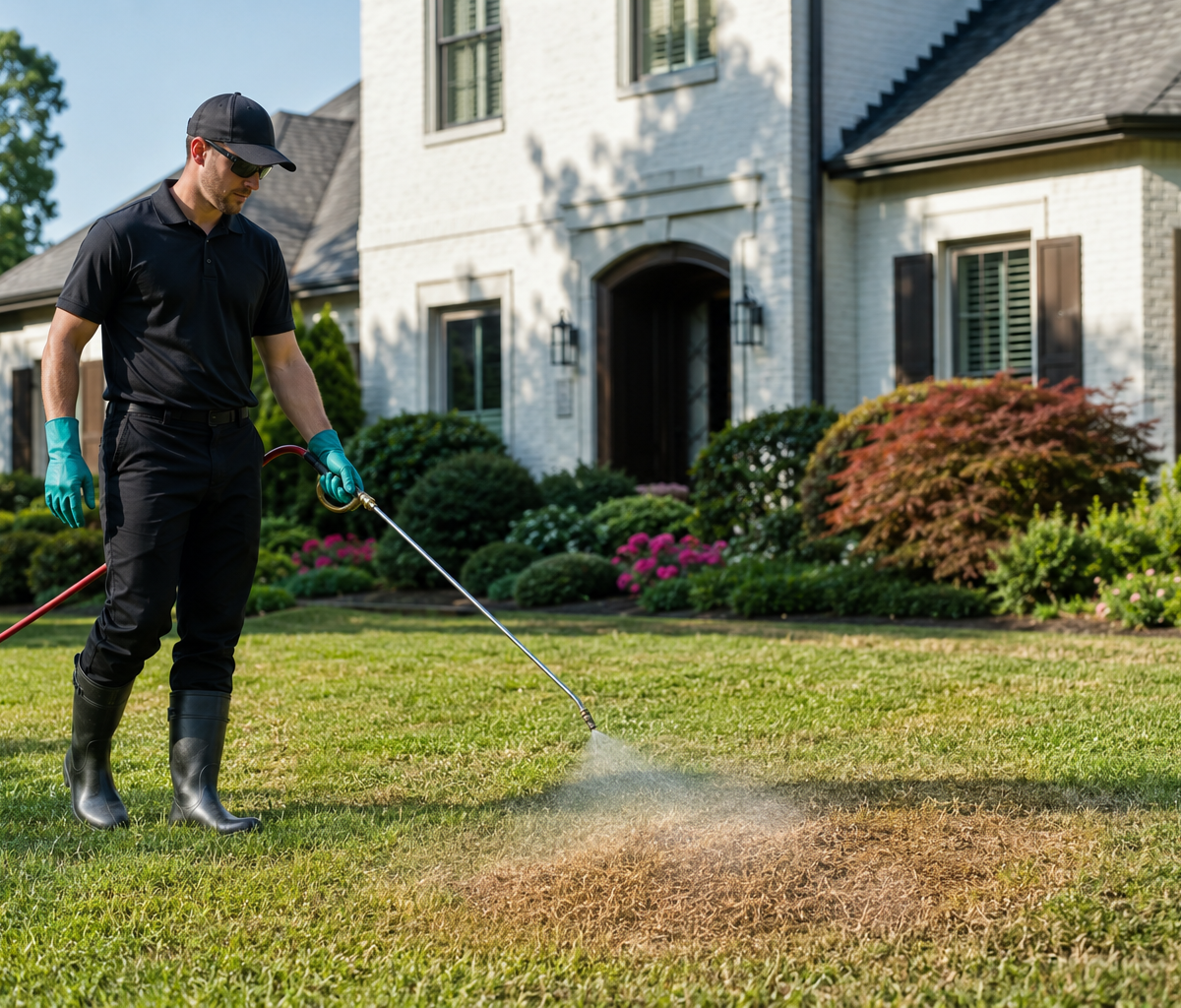
Fitzgerald Lawn Care provides lawn maintenance, weed control, mulch installation, lawn pest control, mole and pocket gopher trapping, snow plowing, and snow removal in North Hudson, Wisconsin. We assess the area requiring service and consider its condition, accessibility, and seasonal needs before recommending an appropriate plan.
Care for North Hudson Homes
North Hudson properties may include compact front lawns, larger backyards, mature trees, sloped sections, planting beds, sidewalks, paved driveways, and turf near wooded or natural areas. Each feature can influence how the property should be maintained.
Shade can slow grass growth and allow soil to remain moist, while exposed turf beside pavement may lose water quickly. Repeated foot traffic can compact narrow routes through the yard, and road edges may experience salt residue or snow-pile damage after winter.
Fitzgerald Lawn Care reviews the location connected to the concern before recommending mowing, aeration, weed treatment, mulching, insect management, trapping, or winter service.
Routine Turf Maintenance
A lawn’s maintenance requirements change with rainfall, temperature, sunlight, and seasonal growth. Regular care helps manage grass height, define borders, and address soil conditions that may interfere with healthy turf.
Fitzgerald Lawn Care provides residential mowing, edging, aeration, and seasonal lawn maintenance throughout North Hudson. We plan service around the property rather than assuming every yard requires the same approach.
Grass often grows rapidly during cooler, wetter periods and slows when summer becomes hot or dry. A suitable mowing schedule keeps the lawn orderly while accounting for those natural changes.
Our team provides scheduled mowing based on the yard’s size, layout, growth rate, and requested level of care.
Grass can spread over sidewalks, driveway margins, curbs, and landscape-bed edges. Edging creates a clearer boundary between the turf and adjoining surfaces.
The amount of work depends on the number and shape of the borders. Edging can be coordinated with recurring lawn maintenance where suitable.
Soil may become compacted near entrances, play areas, gates, driveways, or frequently traveled routes. Dense soil can reduce the space available for air and moisture to move through the root zone.
Aeration creates openings in compacted ground so air, water, and nutrients can reach the root zone. Fitzgerald Lawn Care checks soil firmness, turf density, and the pattern of lawn use before recommending this service.
Spring moisture can produce quick growth and leave some areas soft. Summer may expose dry or heat-stressed sections, while falling leaves and cooler temperatures affect the lawn later in the year.
We adjust maintenance recommendations according to current growth and property conditions.
Treatment for Unwanted Plants
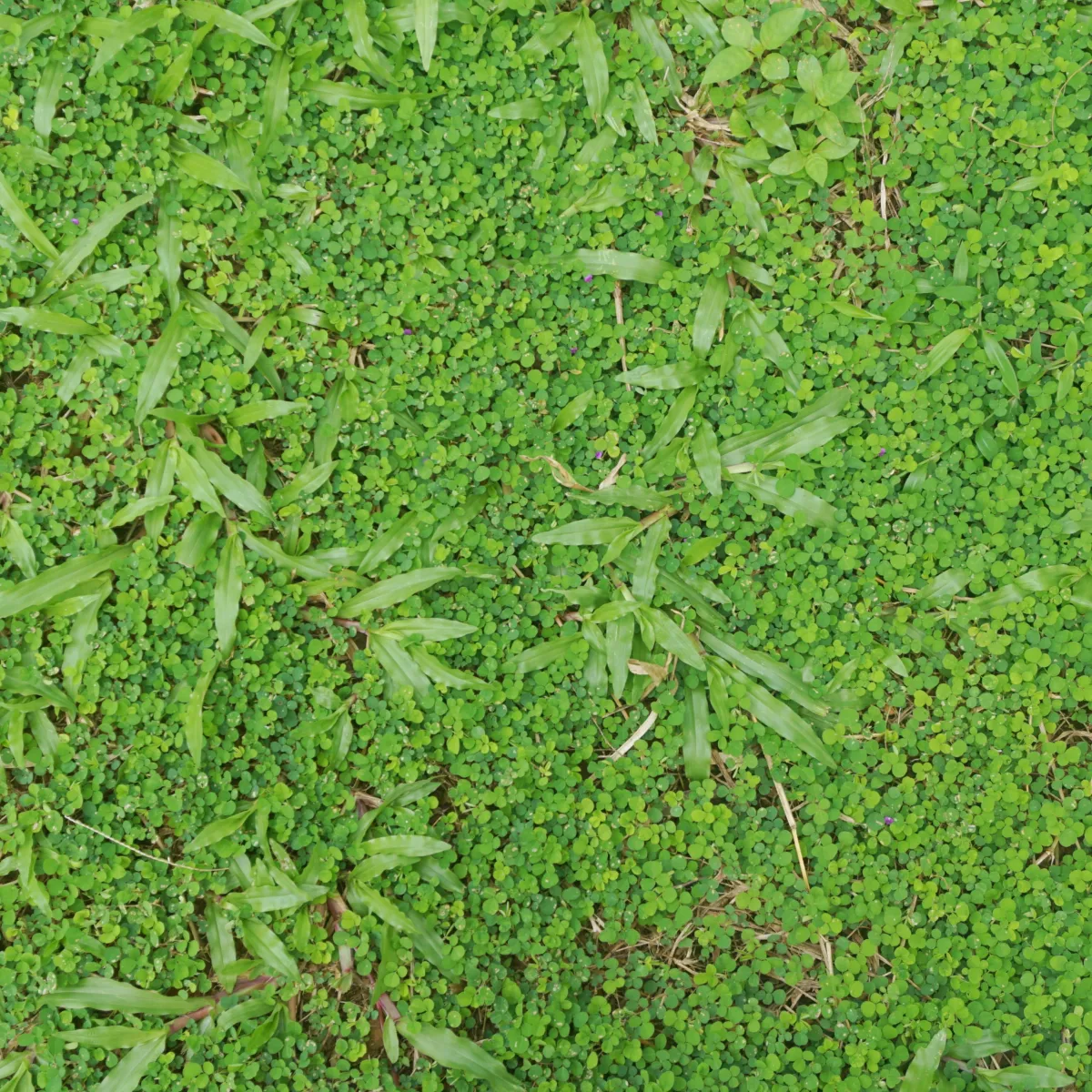
Weeds often appear where grass is thin or soil has been disturbed. Lawn borders, compacted paths, shaded sections, and areas recovering from winter damage may be especially vulnerable.
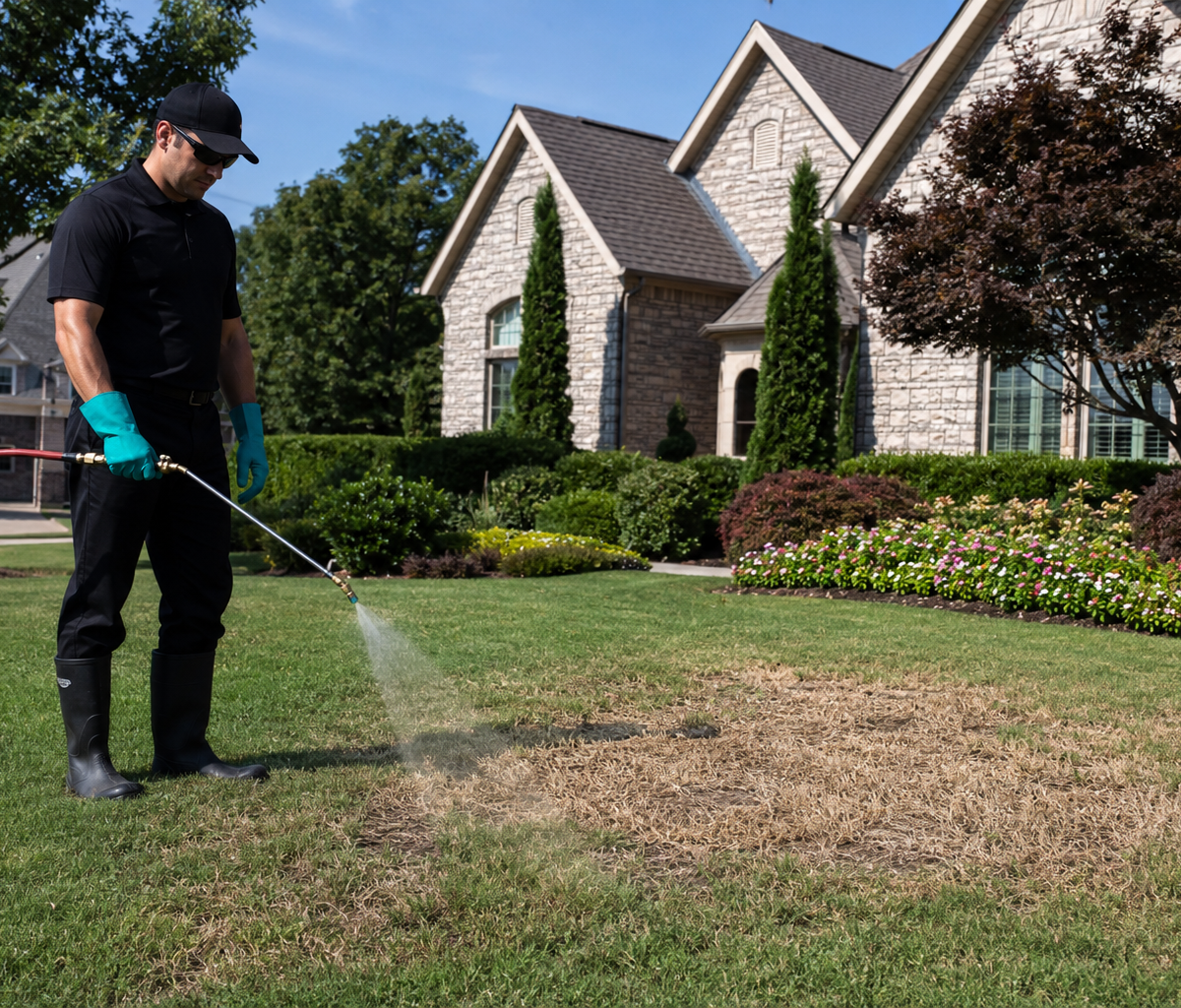
Fitzgerald Lawn Care identifies the unwanted plants and considers the surrounding turf before selecting a treatment.
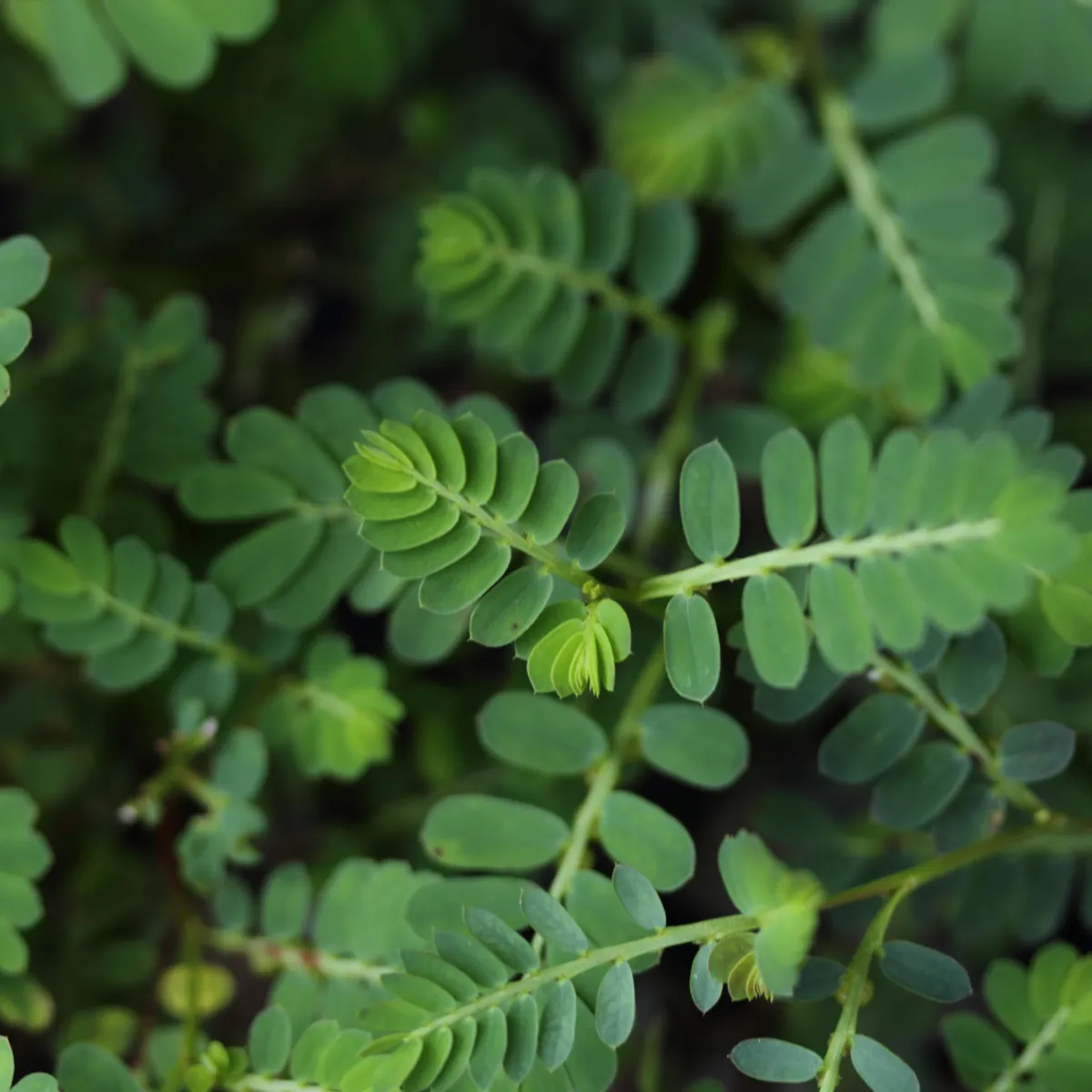
Broadleaf weeds, grassy weeds, and spreading perennial plants do not all respond to the same control method. Their growth stage and the time of year can also affect treatment.
Identifying what is growing allows service to be directed toward the actual lawn problem.
Vegetable gardens, flowering plants, newly seeded turf, and recent landscape installations may require additional care. Homeowners should identify these areas and disclose any recently applied lawn products before service.
Treatment is directed toward suitable turf areas included in the service plan.
Weed control removes or suppresses targeted plants but does not correct the conditions that allowed them to establish. Compaction, bare soil, shade, and weak grass coverage may continue to create openings.
Additional lawn care may be recommended when improving turf density could help reduce future weed pressure.
Landscape Bed Improvement
Mulch gives planting beds a defined appearance and can help moderate soil moisture, temperature, and weed growth. The amount required depends on the size of the beds and the depth of material already present.
Fitzgerald Lawn Care reviews the installation area, existing mulch, borders, and access before providing an estimate.
Beds may contain fallen leaves, weeds, branches, displaced material, or mulch that has decomposed into the soil. Preparation needs vary from one property to another.
We evaluate the existing conditions before adding new material so the required work can be included in the project.
Mulch is distributed evenly across the agreed service area. Excessive piles should be avoided around tree trunks, shrub bases, and plant stems because accumulated material can retain unnecessary moisture.
We maintain practical clearance around plants and fixed property features during installation.
Bed boundaries may become less distinct as turf grows inward or mulch shifts outward. Defined edges help keep the finished installation separated from the lawn and paved surfaces.
Border preparation can be discussed during the property review.
Diagnosis of Turf Insects
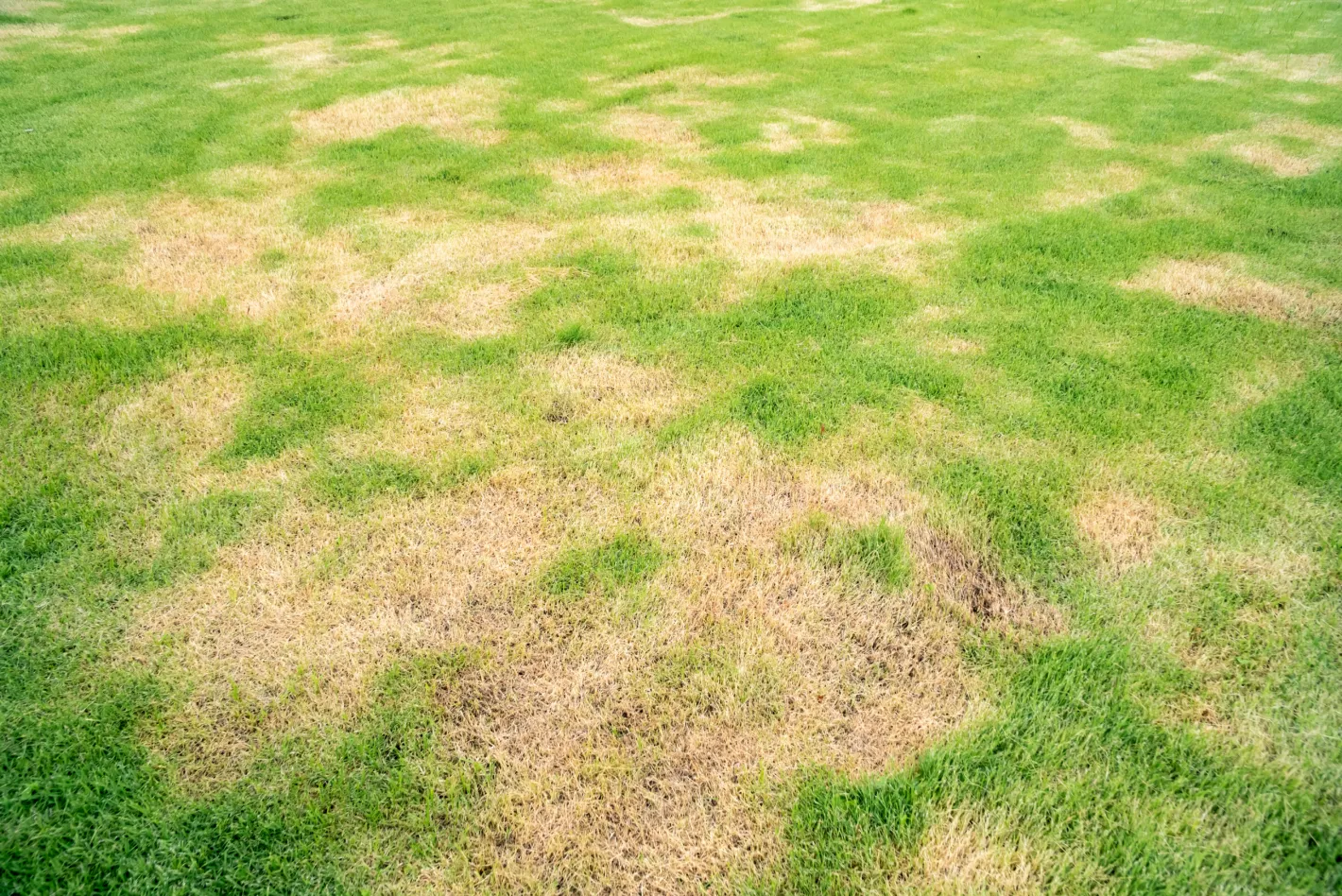
Thin, discolored, or loose turf can indicate insect activity, but similar symptoms may come from dry soil, disease, shade, compaction, pet activity, or winter injury. Treatment should be based on evidence rather than lawn color alone.
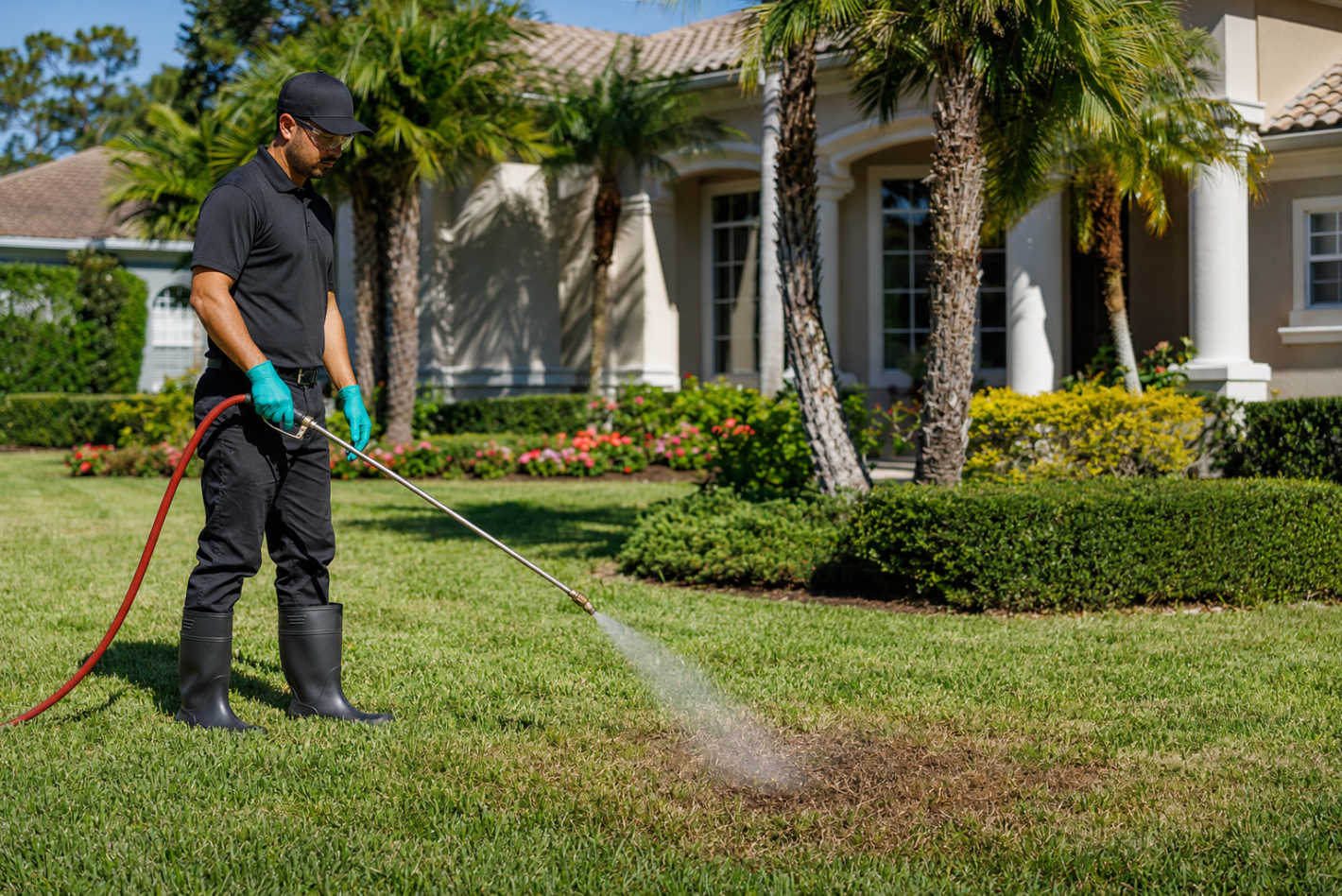
Fitzgerald Lawn Care examines the damaged section, roots, and soil before recommending insect control.
Grubs live beneath the surface and feed around grass roots. Significant root damage can leave turf weakly attached, unevenly discolored, or easier to lift.
Inspecting beneath the affected grass helps determine whether larvae are present and whether their activity corresponds with the visible damage.
Adult beetles and other insects may be seen in the lawn without affecting the problem. Their species, numbers, location, and stage of development all matter.
We consider whether the insect is associated with the damaged turf before recommending control.
A patch following a sidewalk or road edge may point to heat, salt, or physical stress. A consistently damp section may be affected by drainage, while shaded grass may struggle because of limited sunlight.
Comparing the damaged area with nearby healthy turf helps separate insect damage from other possible causes.
Controlling active insects does not instantly restore grass that has already lost roots or density. Recovery depends on the severity of the damage, weather, moisture, and the remaining turf.
We explain what treatment is expected to accomplish and whether follow-up lawn care should be considered.
Trapping for Burrowing Animals
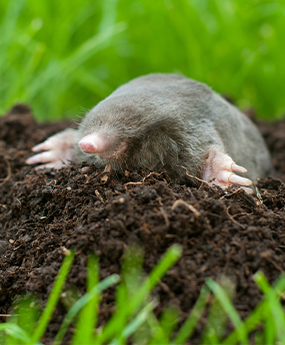
Raised tunnels, fresh mounds, loose soil, and disrupted turf can indicate mole or pocket gopher activity. Correctly distinguishing between the animals is important because their burrow patterns differ.
Fitzgerald Lawn Care inspects recent ground disturbance and selects trapping locations based on signs of active movement.
Moles may create shallow ridges while traveling beneath the grass. Some passages are abandoned quickly, while regularly used routes connect feeding and nesting areas.
We focus on tunnels showing recent activity instead of treating every old ridge as an active route.
Pocket gophers push excavated soil to the surface while extending underground burrows. Their mound patterns can affect turf, roots, and the evenness of the yard.
The arrangement of the soil deposits can help distinguish gophers from moles and other animals.
Trap locations are selected according to current burrow signs and the configuration of the affected area. New activity may appear elsewhere if an animal changes its travel route.
Monitoring and follow-up may be recommended when fresh tunnels or mounds continue to develop.
Residential Winter Service
Snowfall, drifting, and roadside accumulation can restrict driveways, garage entrances, walkways, and access near the street. As winter continues, repeated plowing may leave limited room for additional piles.
Fitzgerald Lawn Care provides residential snow plowing and snow removal in North Hudson. We review the property’s access, surface, slope, obstacles, and practical snow-storage locations before setting up service.
Driveways differ in width, length, grade, and available turning space. Mailboxes, curbs, retaining walls, landscaping, parked vehicles, and utility equipment may influence how snow can be cleared.
Homeowners should remove portable obstacles and identify features that may become hidden beneath accumulation.
Snow deposited near the end of a driveway can become packed and heavy, especially after passing plows or changing temperatures. This accumulation may require a different approach from lighter snow elsewhere on the property.
The driveway entrance must remain accessible so equipment can complete the planned service.
Plowing transfers snow to another location on the property. Snow removal may be needed when piles reduce visibility, narrow access, or occupy the remaining storage space.
Removal involves relocating accumulated snow away from the property instead of adding it to an existing on-site pile.
Suitable placement helps prevent snow from blocking entrances, covering important features, or causing avoidable drainage issues during melting.
Storage areas may need to change as accumulation increases throughout the winter.
Local Growing and Winter Conditions
North Hudson lawns experience spring thaw, active cool-weather growth, possible summer heat stress, falling leaves, and winter dormancy. Different sections of the same yard may respond differently depending on sunlight, elevation, pavement, tree cover, and soil drainage.
Turf near streets and driveways can face road residue and piled snow. Shaded yards may remain wet longer after storms, while open sections can dry more quickly. Wooded edges and undisturbed ground may also provide routes for burrowing animals.
Fitzgerald Lawn Care considers these localized conditions when planning service.
Local Residential Property Service
Fitzgerald Lawn Care provides lawn mowing, edging, aeration, weed control, mulch installation, lawn pest and insect control, mole and pocket gopher trapping, snow plowing, and snow removal for North Hudson homeowners.
We examine the requested work, describe the recommended service, and provide an estimate based on the property and its maintenance requirements.
Fitzgerald Lawn Care also serves nearby Wisconsin and Minnesota communities, including:
North Hudson Lawn and Snow Questions
Fitzgerald Lawn Care provides residential lawn maintenance, weed control, mulch installation, lawn insect control, mole and pocket gopher trapping, snow plowing, and snow removal in North Hudson, Wisconsin.
Tell us which service you need and where the concern is located. We will review the property requirements, explain the available options, and provide an estimate.