Year-Round Residential Property Care
Fitzgerald Lawn Care provides lawn maintenance, weed control, mulch installation, lawn pest control, mole and pocket gopher trapping, snow plowing, and snow removal for Stillwater homeowners.
We evaluate the areas requiring attention, consider the property’s terrain and seasonal conditions, and recommend services based on the work needed.
Care for Stillwater Homes and Yards
Stillwater’s location along the St. Croix River creates a landscape of hills, bluffs, mature trees, older neighborhoods, and newer residential areas. Homes may have sloped lawns, narrow side yards, retaining walls, foundation beds, or driveways that rise from the street.
Grass on exposed hills may dry faster than turf in shaded areas. Runoff can move through sloped yards, while tree roots and concentrated traffic may leave other sections thin or compacted.
Fitzgerald Lawn Care reviews these property differences before recommending lawn maintenance, weed control, mulching, pest treatment, trapping, or winter service.
Maintaining Stillwater Lawns
A maintained lawn depends on suitable mowing, defined edges, healthy soil structure, and adjustments for seasonal growth. Fitzgerald Lawn Care plans service around the size, grade, access, and condition of the yard.
Spring moisture may produce rapid grass growth, while summer heat can slow exposed turf. Shaded sections may follow a different pattern.
We account for grass height, weather, slopes, trees, fences, and other yard features when planning mowing.
Grass growing over sidewalks, driveways, patios, and bed edges can make the yard look uneven. Edging restores clearer separation between turf and adjoining surfaces.
Curves, steps, retaining features, and narrow lawn strips are considered during maintenance.
Soil can become dense near gates, play areas, walkways, and driveway edges. Compaction may restrict water and air movement around the roots.
Aeration creates openings through the upper soil layer. We evaluate soil firmness and turf condition before recommending it.
Wet slopes may be vulnerable to equipment marks, while dry grass can experience additional stress. Service timing should account for rainfall, temperature, and surface stability.
Homeowners should identify newly repaired or sensitive lawn sections before work begins.
Managing Unwanted Lawn Growth
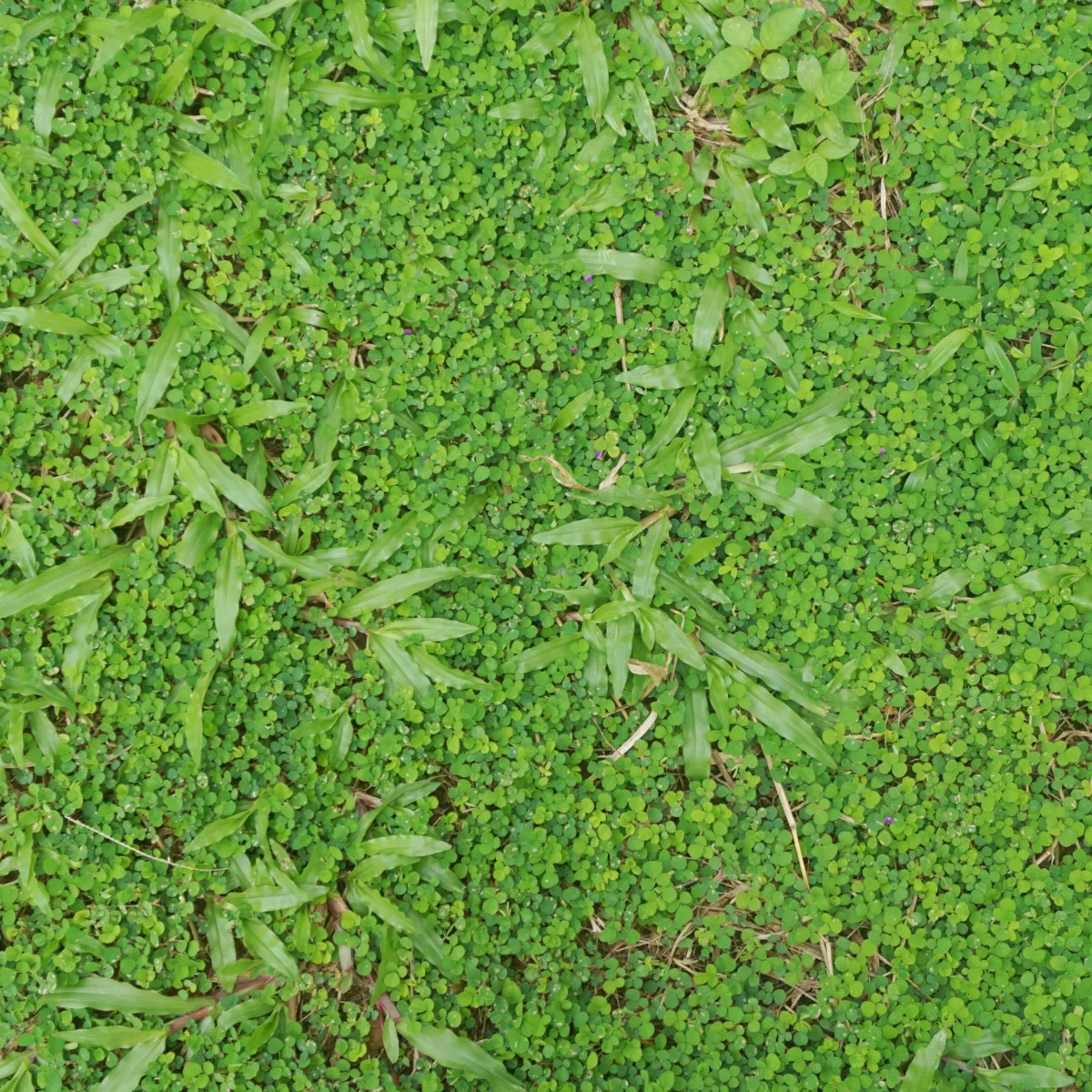
Slopes, shaded turf, pavement edges, and disturbed soil can create openings for weeds in Stillwater yards. Fitzgerald Lawn Care identifies the growth and reviews nearby grass before treatment.
Water may carry seeds downhill or expose soil where turf has weakened.
Tree roots, limited sunlight, heat, and compacted soil can reduce grass density and encourage weeds.
Identify gardens, new seed, sensitive plants, and recent lawn products. Treatment depends on weed type, maturity, weather, and turf condition.
Mulch for Stillwater Landscape Beds
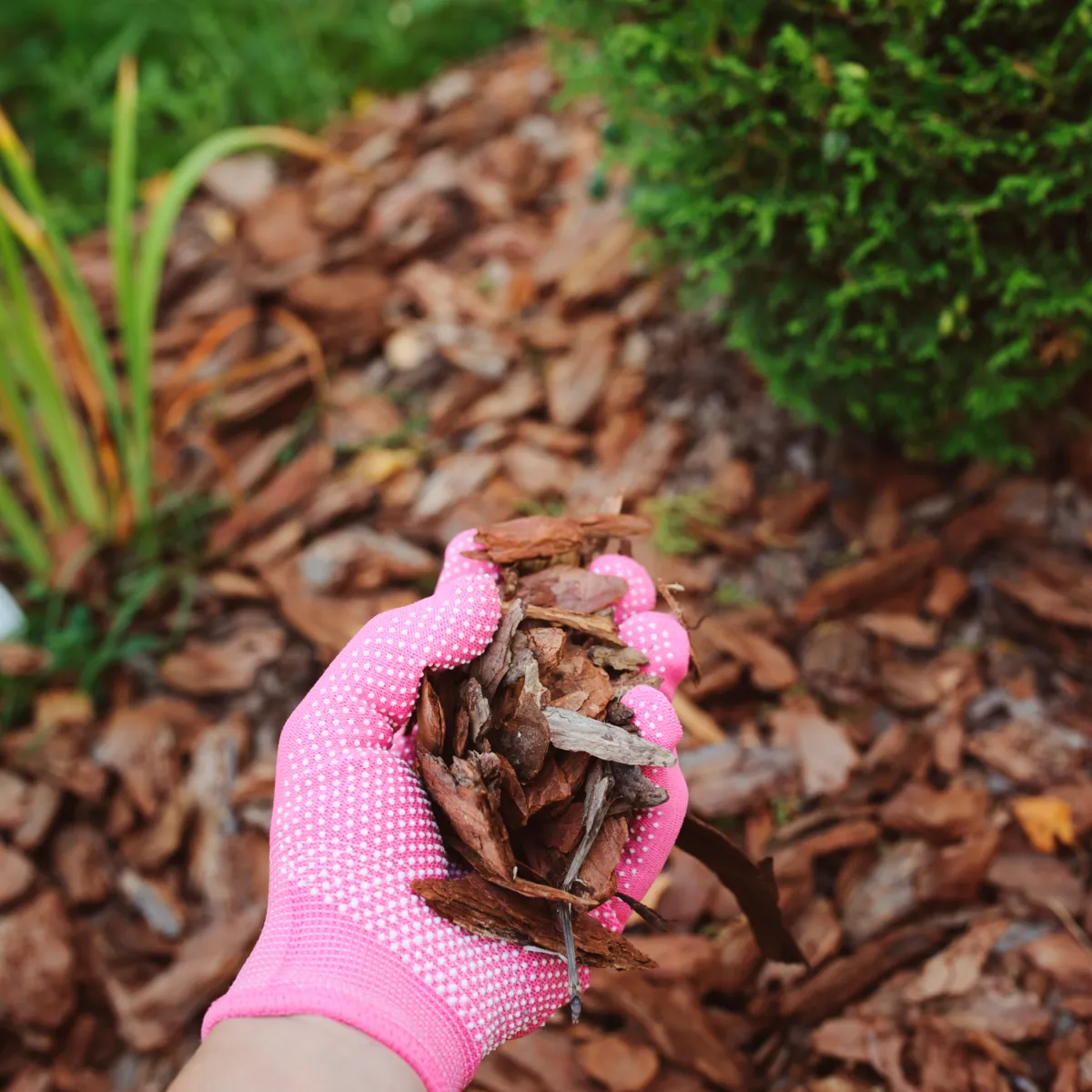
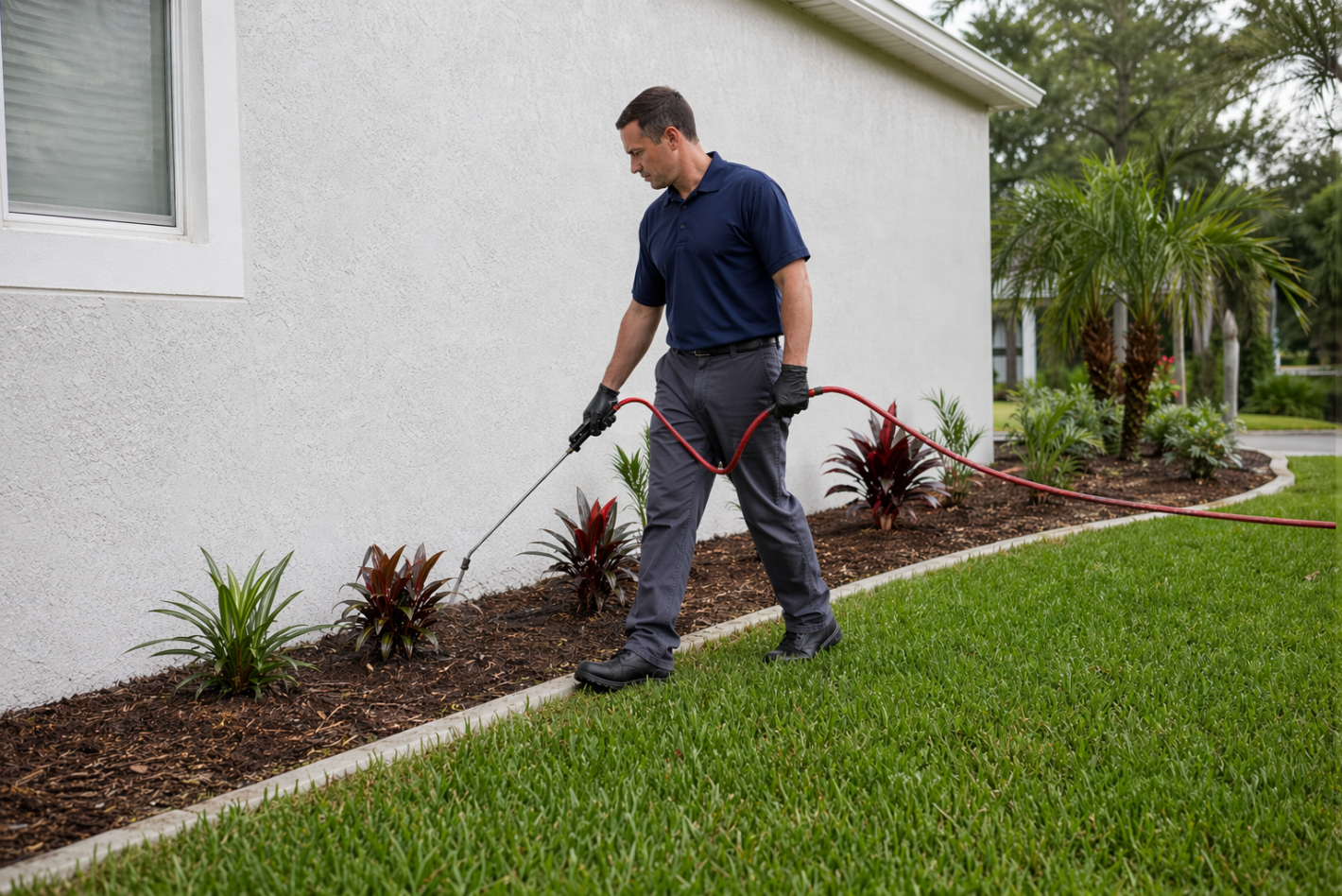
Mulch can refresh foundation beds, tree rings, terraces, and planted areas while covering exposed soil. Fitzgerald Lawn Care reviews existing material, plant spacing, bed shape, and access before estimating installation.
Older beds may contain weeds, leaves, sticks, grass, or decomposed mulch. Preparation is based on current conditions and the desired finished boundary.
Runoff can move loose mulch downhill or concentrate it behind borders. We review washout patterns and the lower edge before adding material.
Mulch should be spread evenly without covering tree flares, plant stems, or perennial crowns. Existing roots and closely spaced plants are identified before installation.
Material should remain below siding, vents, windows, doors, and other exterior features requiring separation from the soil surface.
Insect Management for Stillwater Turf
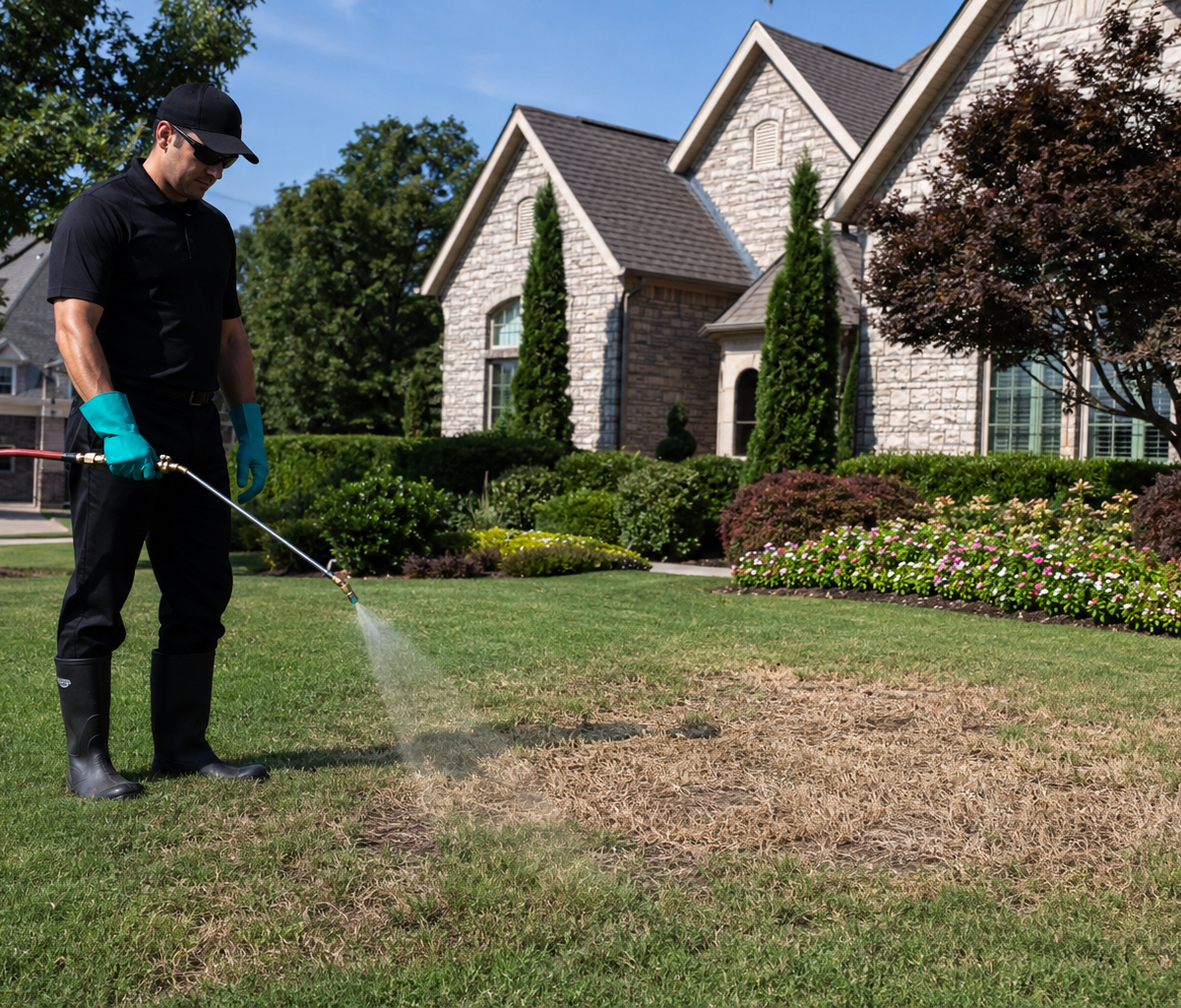
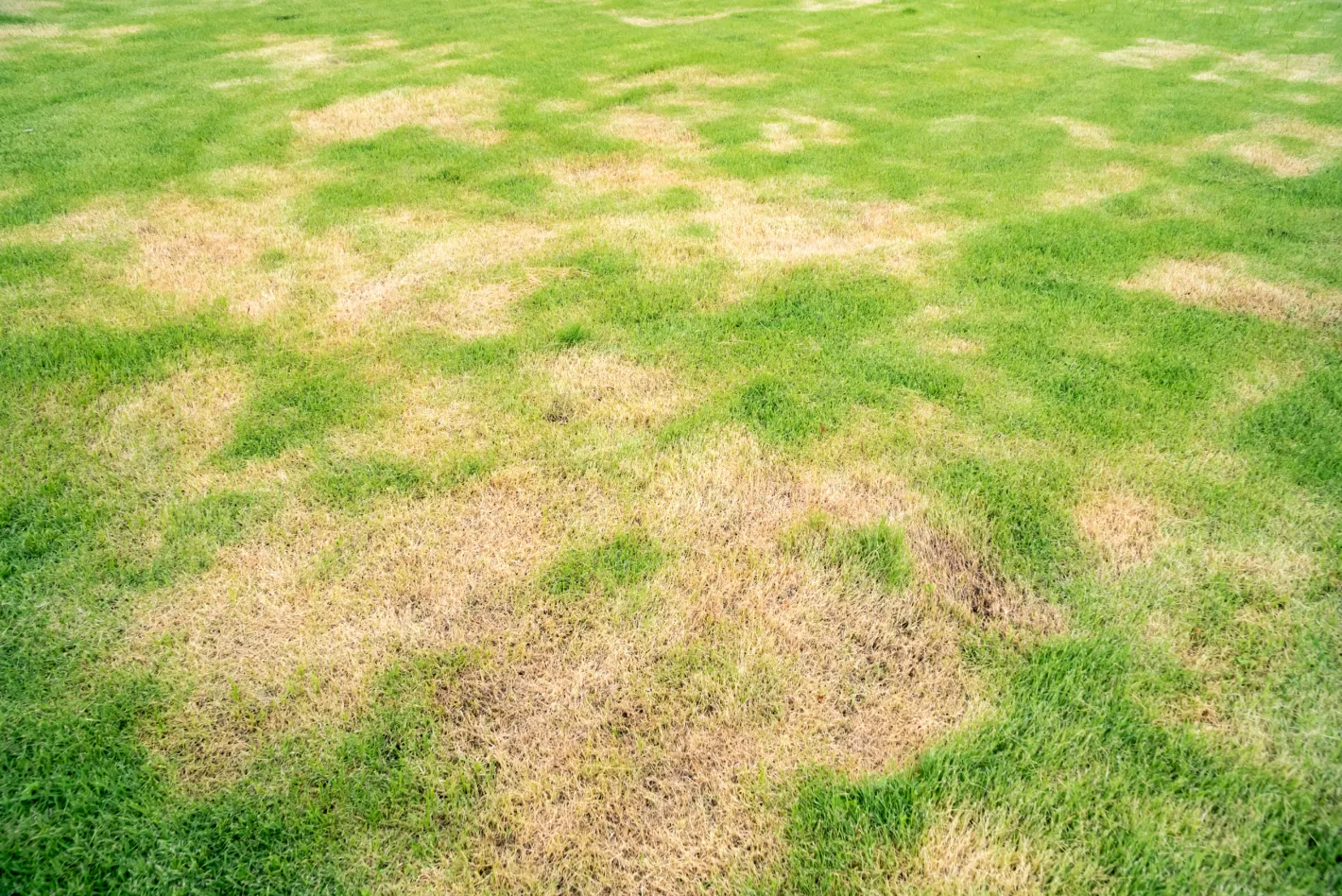
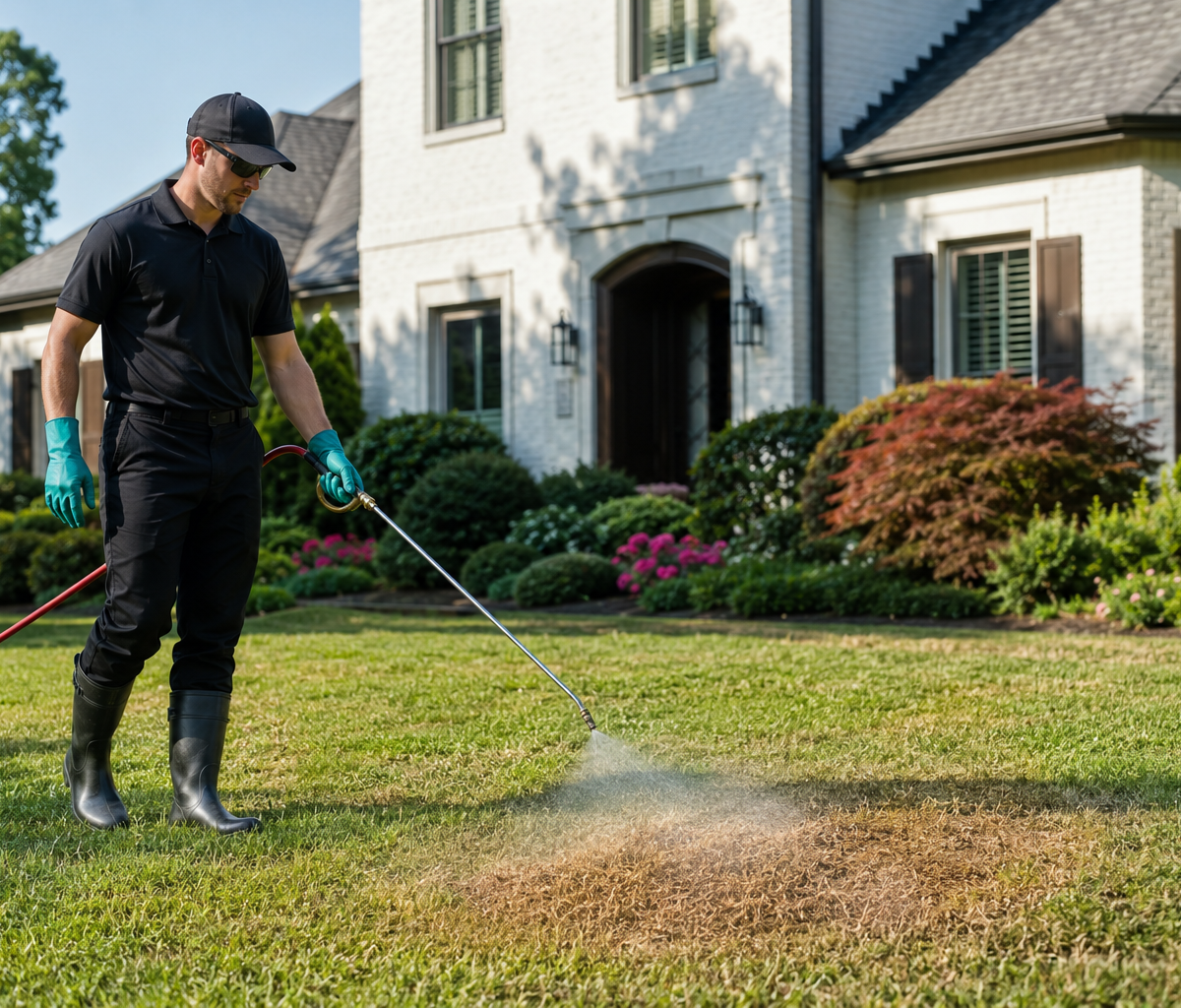
Brown or thinning grass may result from insects, drought, excessive moisture, shade, disease, pet activity, or compacted soil. Fitzgerald Lawn Care searches for evidence connecting a pest to the damaged turf before recommending control.
Grubs feed below ground and may weaken the roots holding turf in place. Affected grass can feel loose, lift easily, or develop irregular discoloration.
Looking beneath the surface helps determine whether larvae and root damage are present.
Beetles may appear on trees, flowers, shrubs, or grass without damaging the lawn. Their species, numbers, and feeding location should be considered before treatment.
Visible insects should not automatically be blamed for every brown patch.
Grass beside pavement may experience heat and salt exposure, while shaded turf may struggle because of tree roots and limited sunlight. Runoff can also affect sloped sections.
These patterns are compared with pest evidence during inspection.
Insect control does not immediately replace damaged roots or missing grass. Recovery depends on the extent of injury, moisture, soil condition, weather, and the growing season.
Burrowing Animal Control
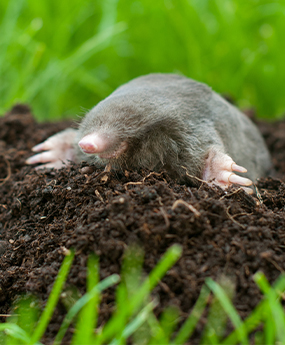
Moles and pocket gophers can leave raised tunnels, soil mounds, and uneven ground in residential yards. Fitzgerald Lawn Care examines recent activity before selecting trapping locations.
Moles may travel beside fences, landscape beds, retaining walls, or wooded edges. Some surface tunnels are temporary, while established routes may be used repeatedly.
Fresh ridges and returning movement help identify active sections.
Pocket gophers push excavated soil from deeper burrows. The mound is often offset from the main tunnel and may contain a plugged opening.
Mound shape and arrangement help indicate burrow direction.
Trap placement should account for paths, play areas, pets, roots, stones, and household activity. Marked locations must remain accessible and undisturbed.
Fresh ridges or soil deposits may indicate shifting movement or more than one animal. Homeowners should report new activity before flattening it.
Residential Winter Property Care
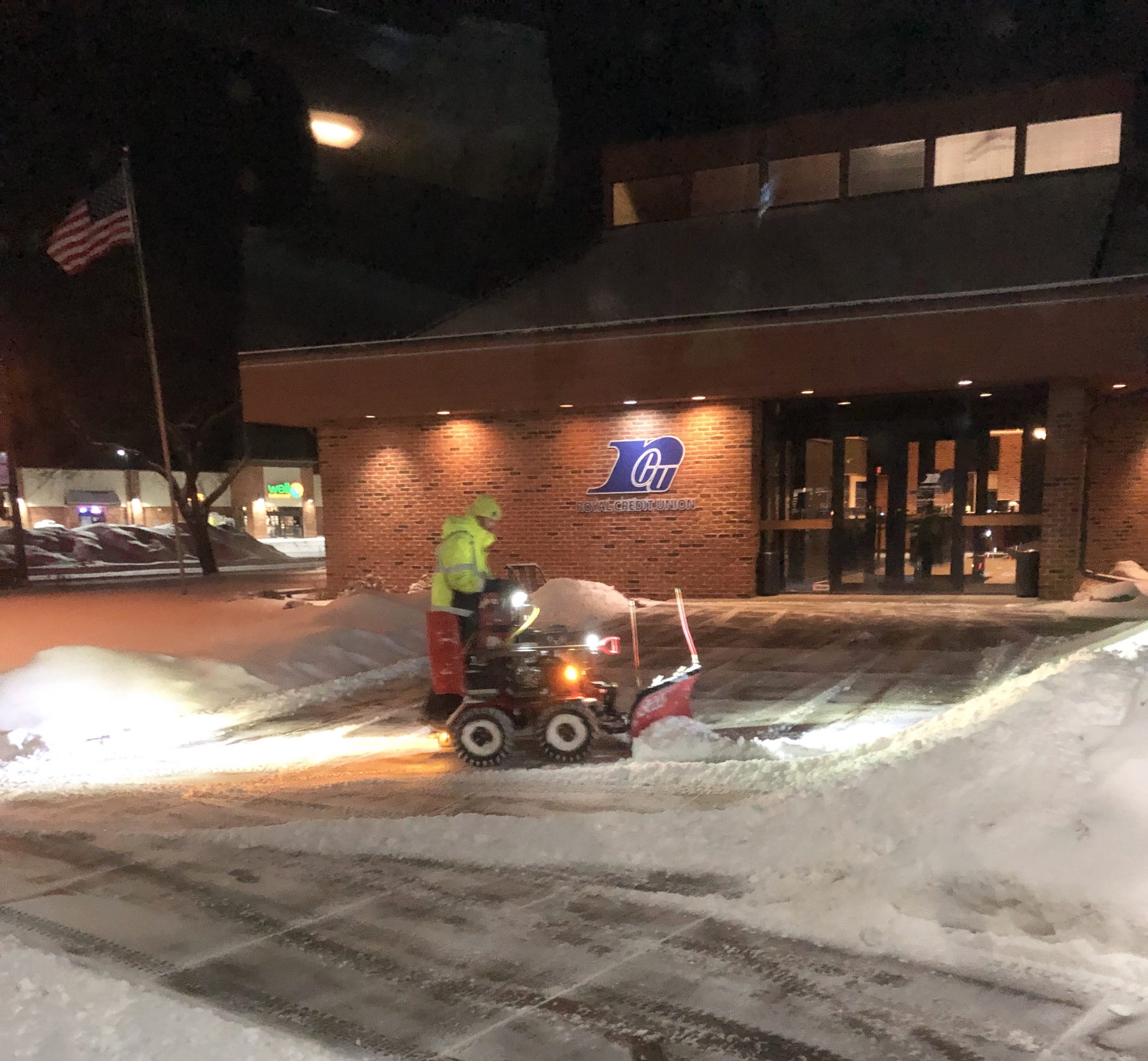
Stillwater driveways may be steep, narrow, curved, or bordered by retaining walls and mature landscaping. Snow can cover pavement edges, block garage access, and leave limited space for later storms.
Fitzgerald Lawn Care reviews the driveway, walking routes, obstacles, and available snow-storage areas before arranging service.
Driveway grade affects equipment access and where snow can be placed. Storage should avoid sending unnecessary meltwater across frequently used surfaces.
Vehicles and portable objects should be removed before service.
Snow may need to be cleared from garage approaches, sidewalks, steps, and paths leading to the home. The included areas should be identified in advance.
Road plows can leave dense snow across the driveway entrance. Growing roadside banks may also reduce visibility when leaving the property.
Markers can help identify driveway edges and nearby obstacles.
Repeated plowing can create piles that narrow access, cover landscape beds, or leave no room for another storm. Snow removal relocates accumulated material when on-site storage becomes limited.
Local Lawn and Winter Conditions
Stillwater’s river valley, bluffs, hills, and established tree cover influence sunlight, drainage, wind, and winter access. Lower sections may collect runoff, while exposed slopes can lose moisture quickly.
Mature neighborhoods may contain deep shade, surface roots, compact yards, and limited snow-storage space. Elevated homes may have steep driveways and stronger wind exposure.
Fitzgerald Lawn Care evaluates these conditions at the individual property before recommending service.
Local Residential Property Service
Fitzgerald Lawn Care provides mowing, edging, aeration, weed control, mulch installation, lawn pest control, mole and pocket gopher trapping, snow plowing, and snow removal in Stillwater.
We inspect the requested areas, explain the proposed work, and prepare an estimate based on the home and yard.
Fitzgerald Lawn Care also serves:
Stillwater Lawn and Winter Questions
Fitzgerald Lawn Care provides residential lawn maintenance, weed control, mulch installation, lawn insect control, mole and pocket gopher trapping, snow plowing, and snow removal in Stillwater, Minnesota.
Tell us which areas need attention and what conditions you have noticed. We will review the property, explain suitable options, and provide an estimate.