Year-Round Property Care in Woodbury
Fitzgerald Lawn Care provides lawn maintenance, mulching, fertilization, lawn pest control, mole and pocket gopher trapping, snow plowing, and snow removal in Woodbury, Minnesota. We assess the property, consider the season, and recommend the service that best fits the work involved.
Seasonal Care for Woodbury Properties
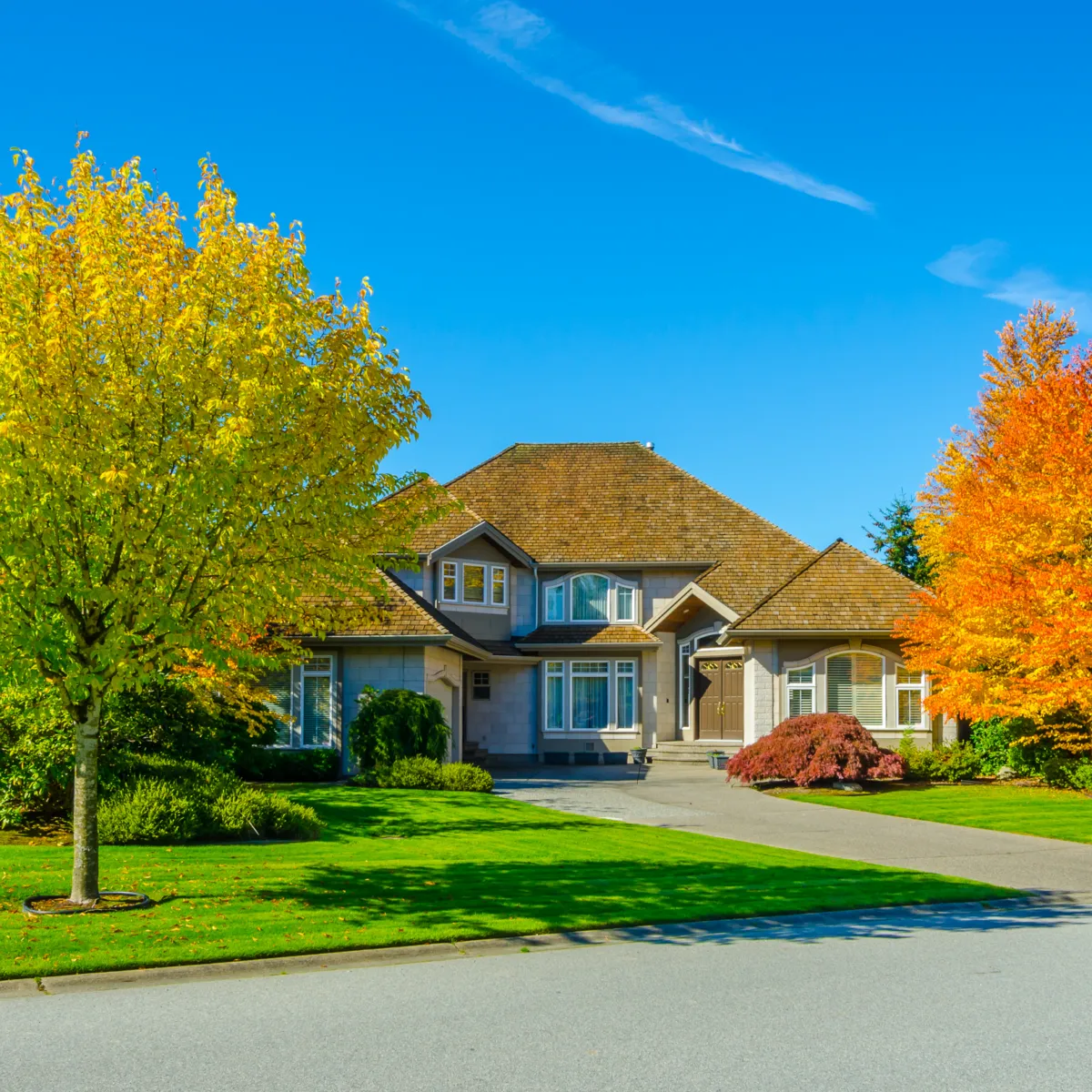
Woodbury properties can include open lawns, shaded side yards, sloped ground, planting beds, driveways, sidewalks, and parking areas. Conditions often change from one part of the property to another. Grass in full sun can dry quickly, while turf near trees or in a low area may stay wet.
Compacted soil, weeds, insects, and burrowing animals can also affect the lawn. Once winter arrives, repeated snow and refreezing can narrow driveways, cover walkways, and reduce space around parking areas.
We inspect the affected area before recommending lawn maintenance, mulch, pest control, trapping, fertilization, or snow service.
Lawn Maintenance for Woodbury Properties
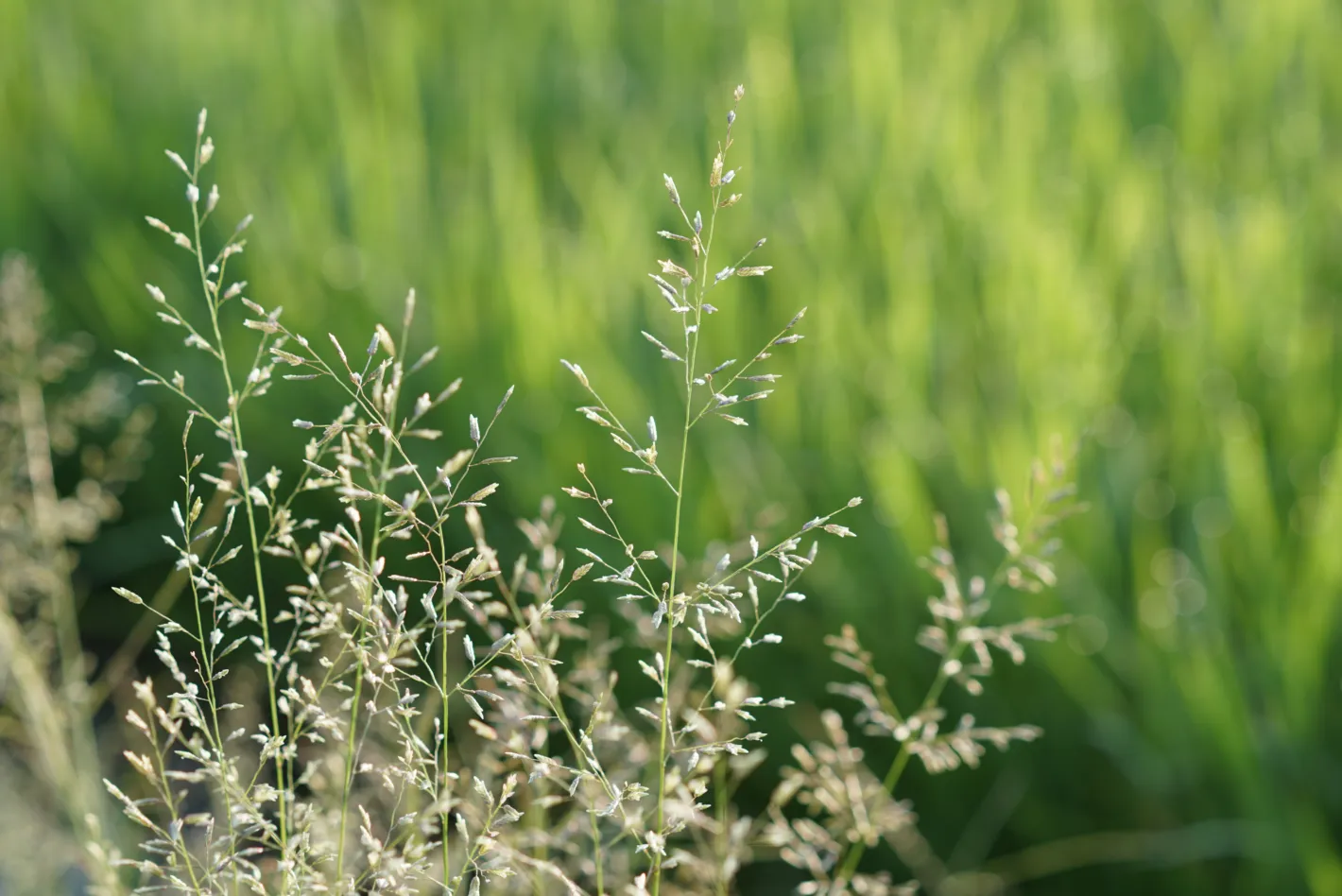
Kentucky bluegrass, fine fescue, perennial ryegrass, and tall fescue are commonly used in Minnesota lawns. The grass type, soil, moisture, shade, and mowing habits all influence how a Woodbury lawn grows.
Grass grows quickly during Woodbury’s cooler, wetter weather. Growth usually slows during hot or dry stretches, so the mowing schedule may change as the season moves along.
Regular mowing keeps the lawn manageable without removing too much growth at once.
Edging clears the line between turf and sidewalks, driveways, curbs, or planting beds. It is especially helpful where grass has begun creeping over pavement or into mulch.
The amount of edging needed depends on the property’s layout.
Regular foot traffic, equipment, and construction can pack down the soil. Water may puddle on the surface or run away before it reaches the roots.
Aeration removes small plugs of soil, leaving openings for water, air, and nutrients. We check the turf and ground before recommending it.
Spring can bring soft soil and a sudden burst of growth. During summer, exposed lawns may show dry patches or heat stress. Cooler fall weather gives many lawns another active growing period before winter.
We adjust the work to what the grass is doing at the time.
Mulch for Woodbury Landscape Beds
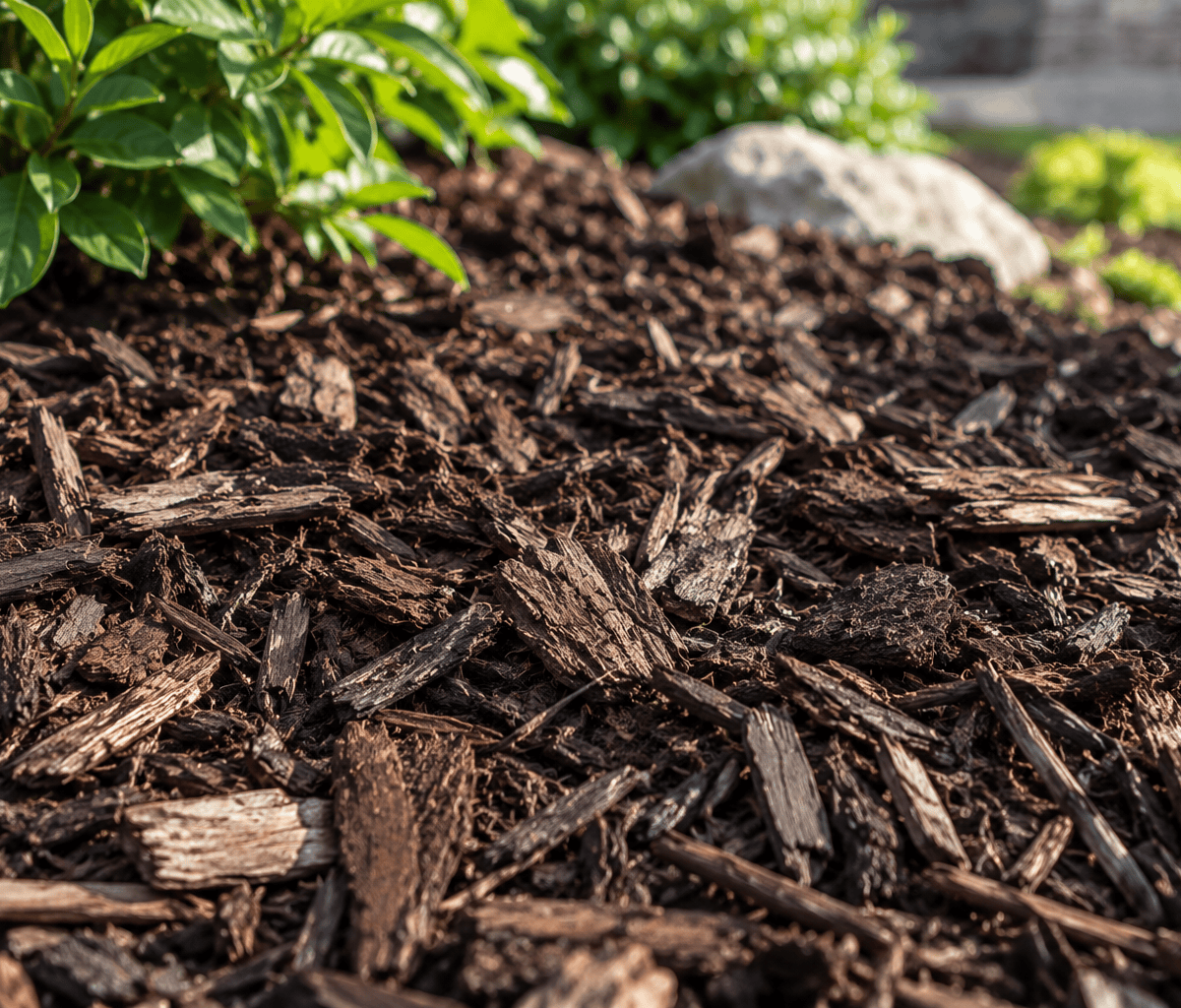
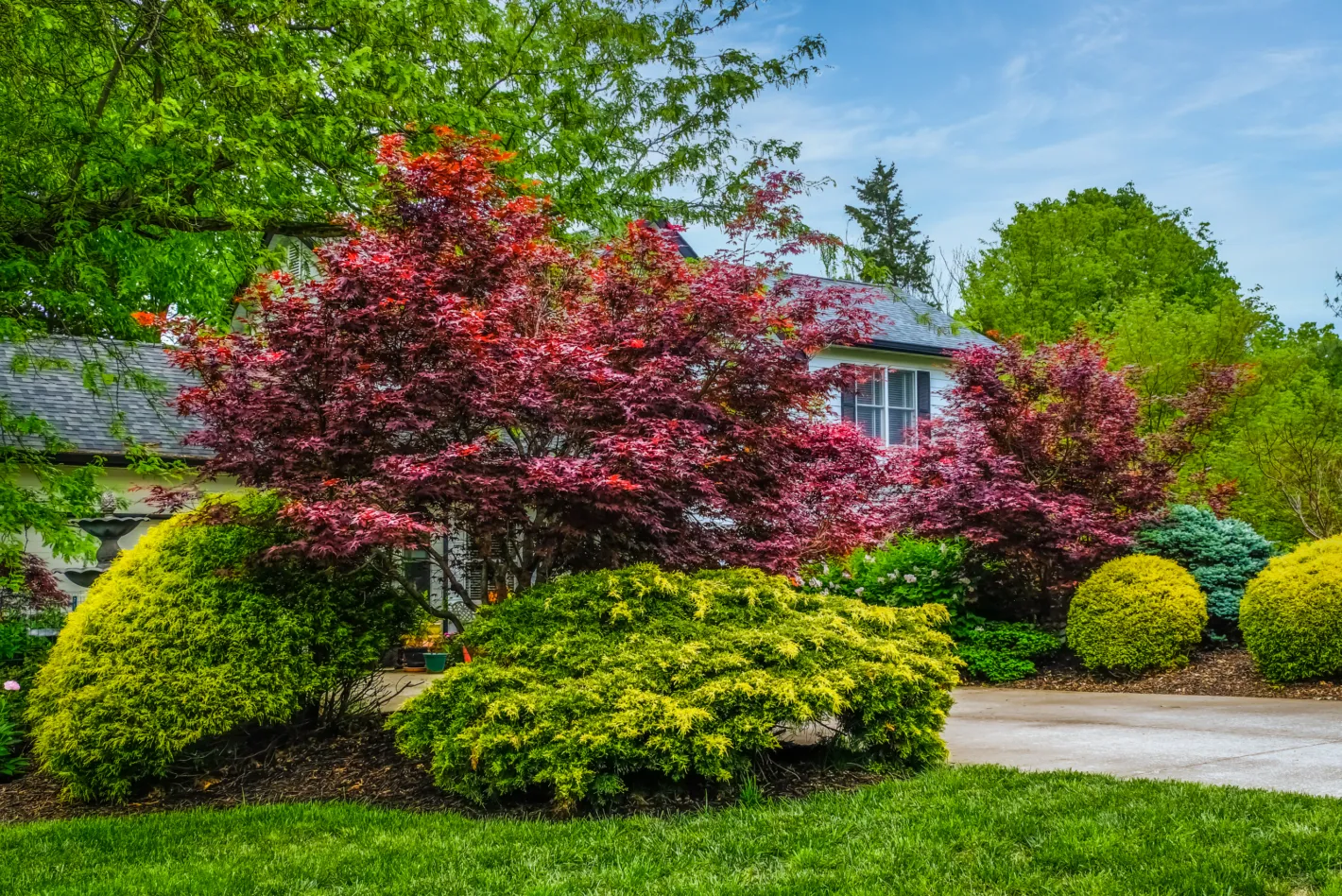
Mulch helps planting beds hold moisture and gives the landscape a cleaner appearance. It can also limit weed growth when the beds are properly prepared.
Before estimating the work, we look at the existing mulch, plants, borders, and access around the property.
Leaves, weeds, grass, and deteriorated mulch can collect around shrubs and ornamental plants. Some beds need only a light cleanup. Others need more prep before adding new material.
We include the needed bed work in the installation plan.
Mulch should cover the bed evenly without being heaped against trees, shrubs, siding, or plant stems.
We spread the material through the agreed areas while keeping reasonable clearance around plants and landscape features.
Grass can spread into a bed when the original edge wears away. Mulch may also wash or scatter onto the lawn and pavement.
A clear border separates the planting bed from the surrounding surfaces and makes future upkeep easier.
Mulch loses color, settles, and breaks down with time. Adding a new layer without checking the old depth can leave too much material around the plants.
We determine whether the bed needs a light refresh or more extensive preparation.
Weed Management for Woodbury Lawns
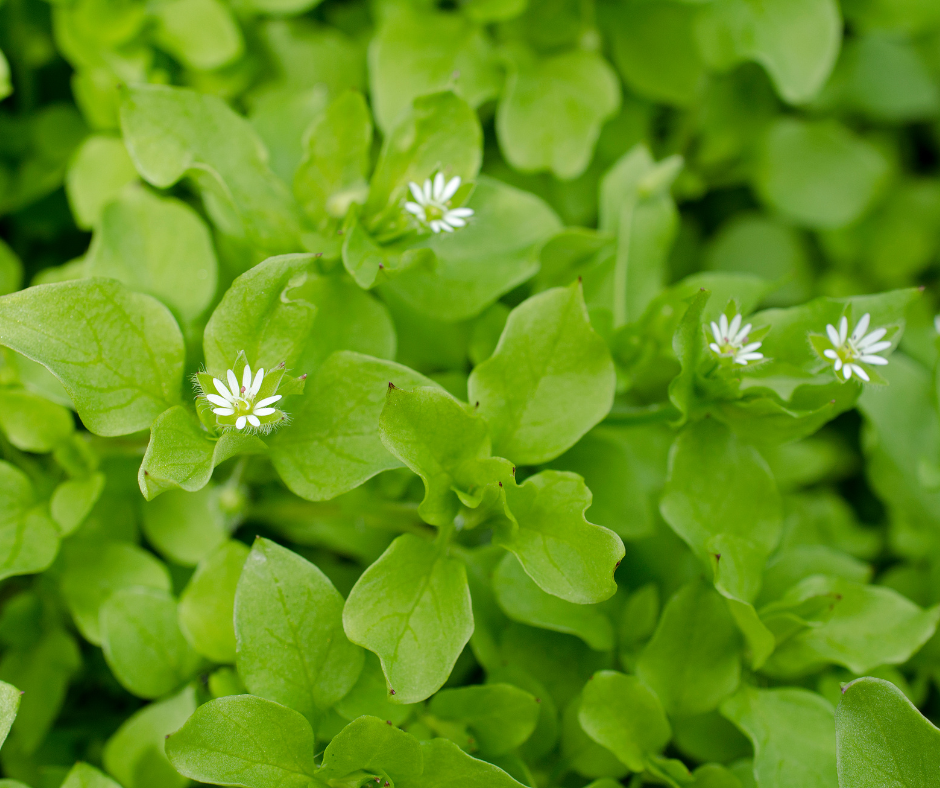
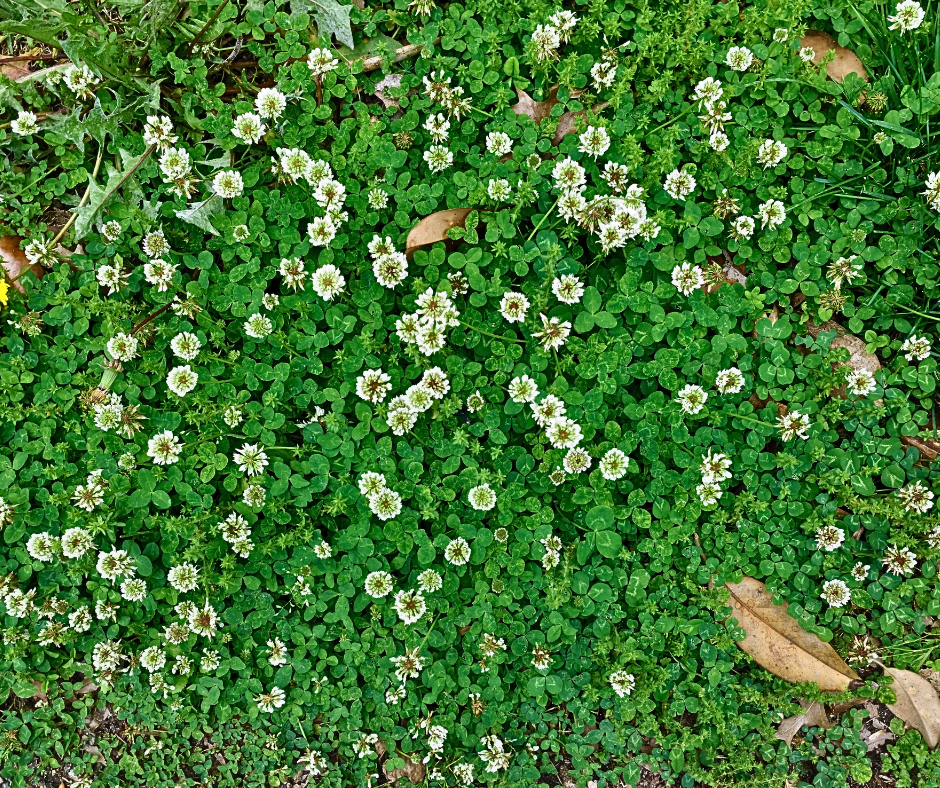
Dandelions, crabgrass, clover, plantain, and creeping Charlie are commonly seen in Minnesota lawns. Sunny, thin turf often develops different weeds than damp grass growing under trees.
We identify what is growing and check the surrounding lawn before choosing a treatment.
Broadleaf weeds and grassy weeds do not respond to the same products. Their growth stage also affects when to treat.
Point out patches that return each year or areas where weeds have recently started spreading.
Weed control is intended for suitable areas of established turf. New grass, flower beds, vegetable gardens, and ornamental plants require more care around an application.
Let us know if the lawn was recently seeded, sodded, or treated with another product.
Weeds often take hold where the grass is already weak. Shade, poor drainage, compacted soil, bare patches, and mowing too short can leave room for them to spread.
Treatment can remove weeds, but the lawn may also need aeration, fertilization, or a change in routine care.
Insect Management for Woodbury Turf
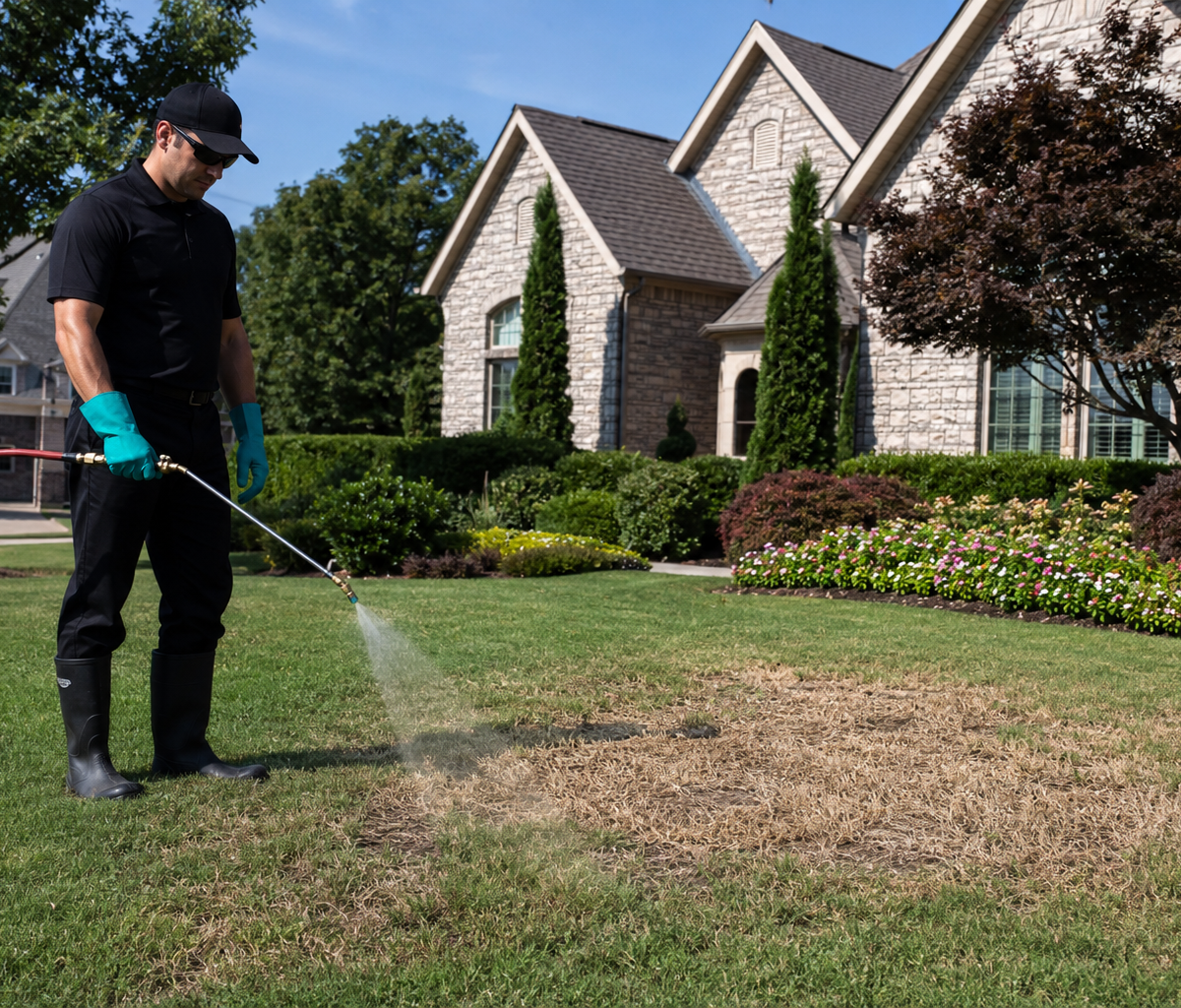
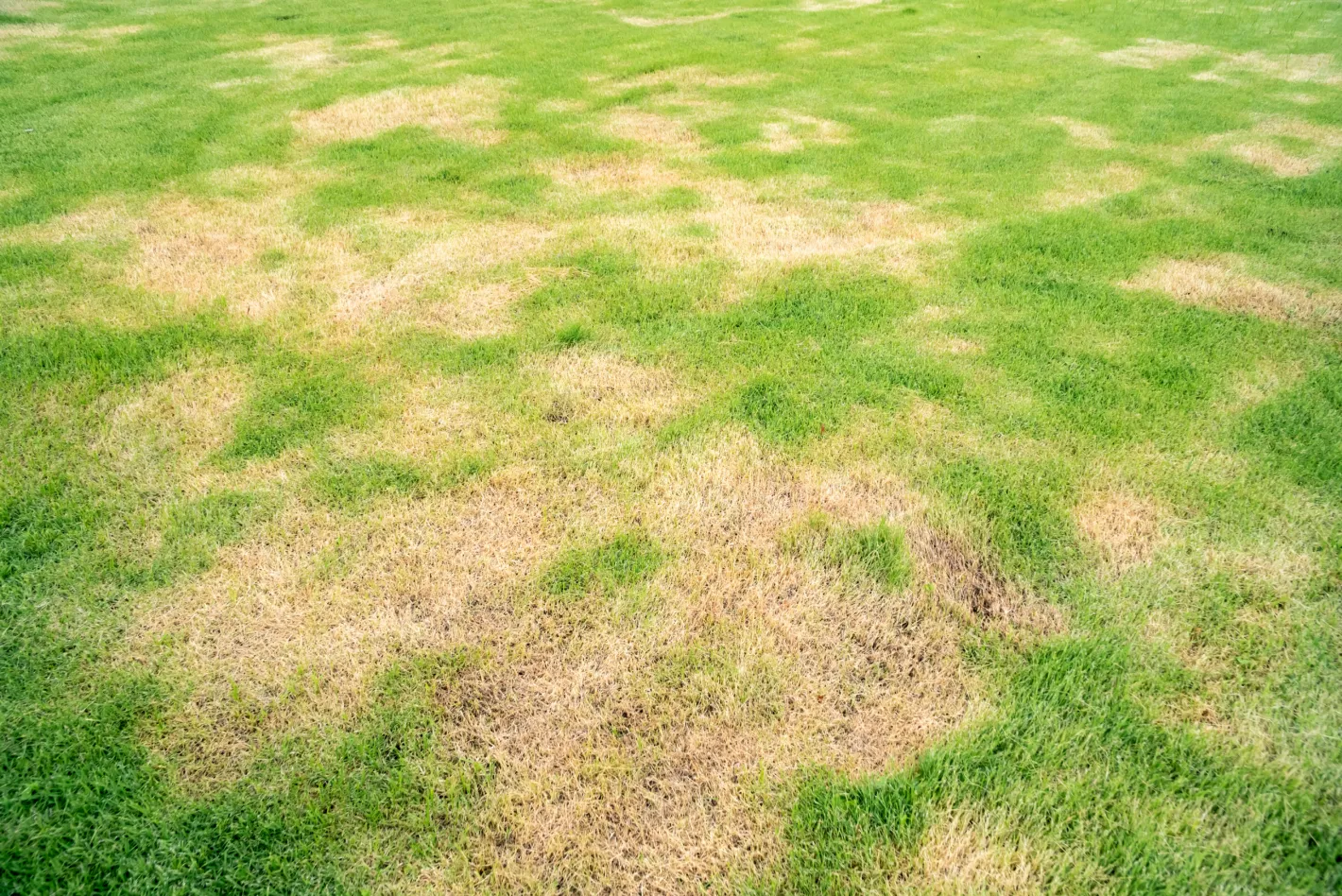
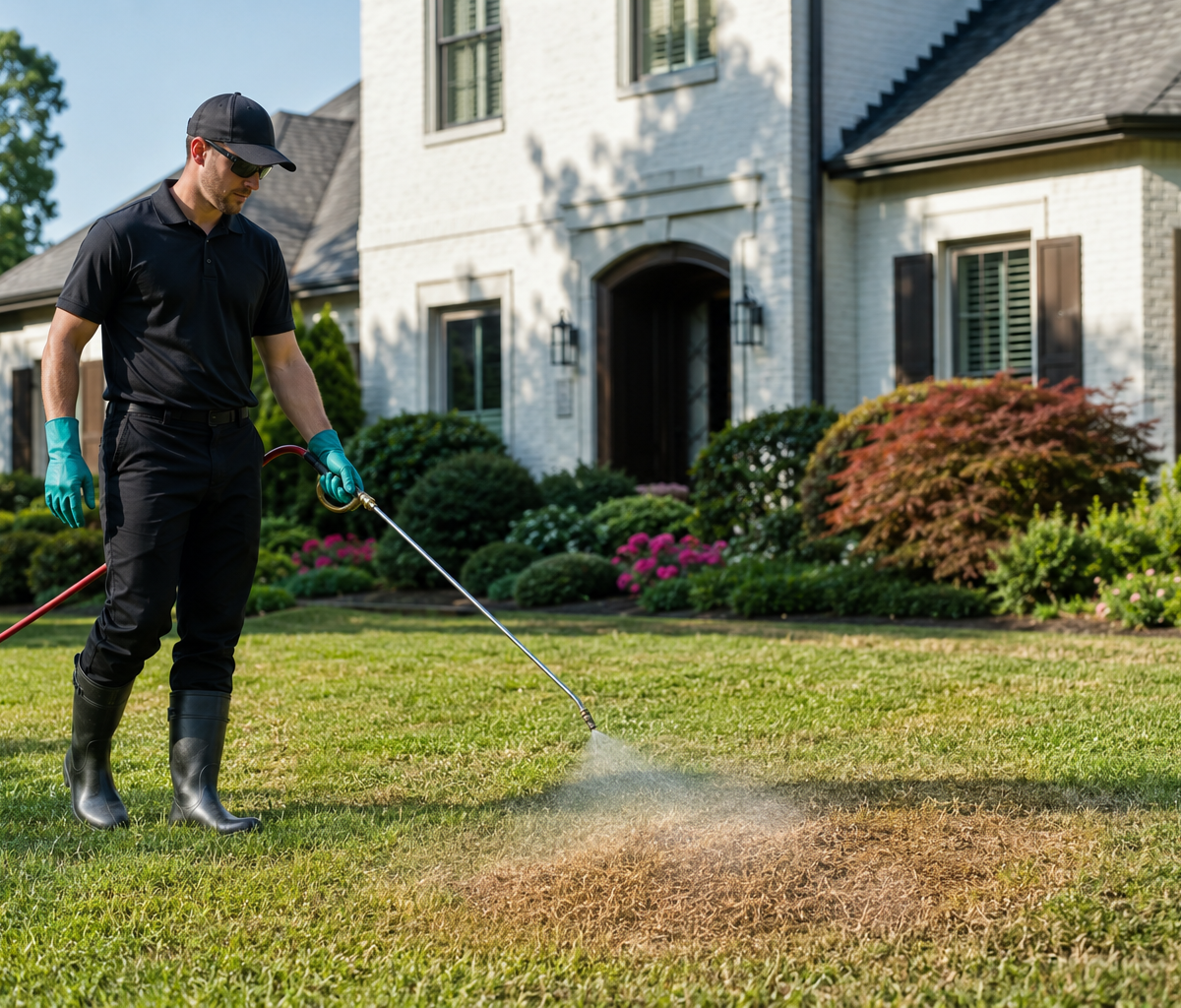
A brown patch does not always mean insects are feeding on the lawn. Dry soil, disease, pet activity, compaction, and mowing damage can create similar symptoms.
We check the grass, roots, and soil before recommending insect treatment.
White grubs feed around grass roots beneath the surface. Damaged turf can become thin, lose color, or lift more easily than healthy grass.
Birds or animals digging in the lawn sometimes point to grubs, although digging alone does not confirm the problem.
Beetles and other insects may be present without harming the turf. Seeing an insect is not the same as finding the cause of the damage.
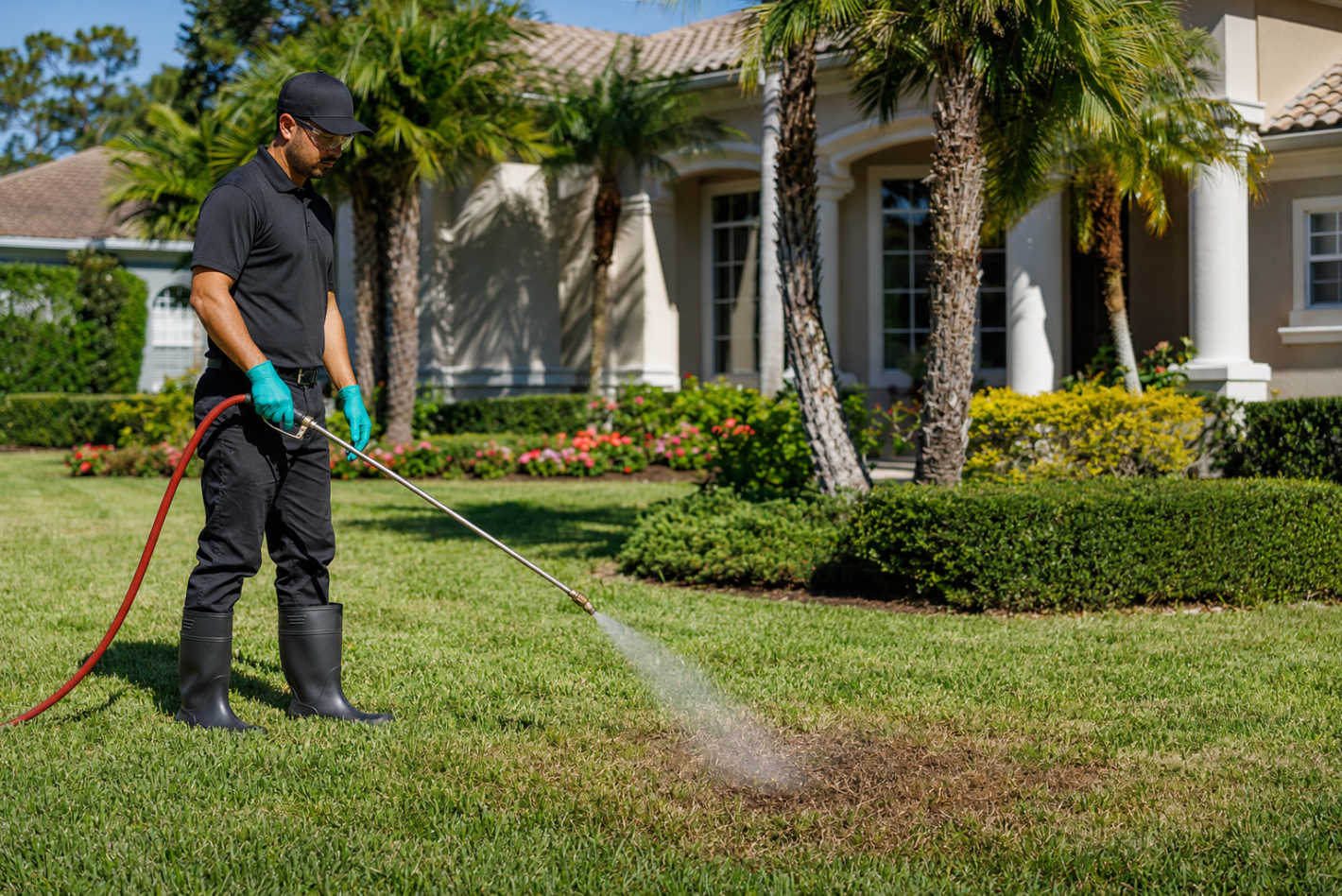
Identification helps us decide whether treatment is needed and where to apply it.
Insect damage may begin in a small section or spread across a wider area. The patch shape, root condition, and soil moisture all provide useful clues.
We compare those signs before deciding what is affecting the grass.
Pest treatment stops or reduces the activity being addressed, but it does not instantly replace damaged turf.
As it recovers, the lawn may need fertilizer, aeration, watering changes, or repair work.
Burrowing Animal Control
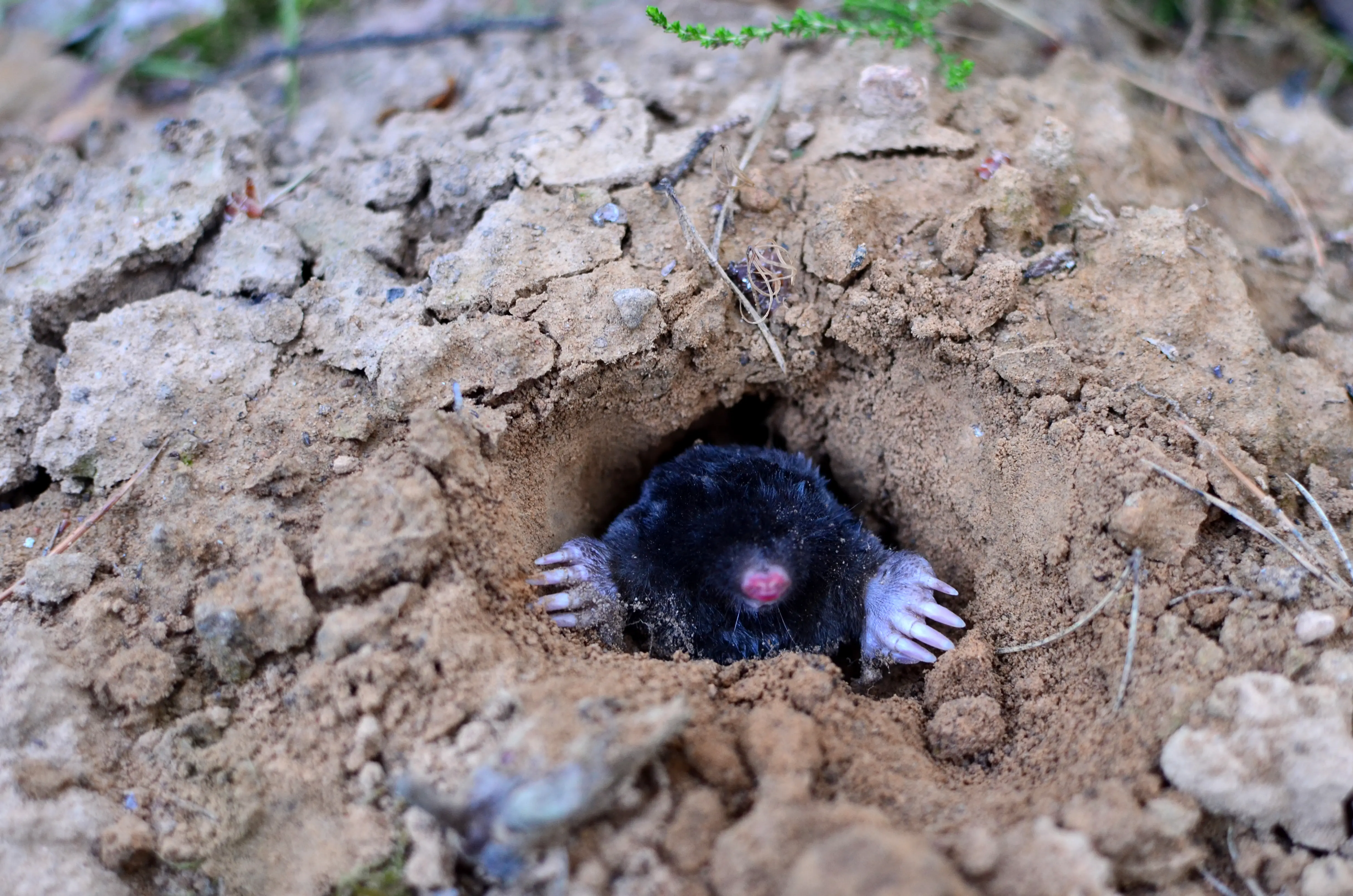
Raised runs, fresh mounds, loose soil, and uneven grass can indicate activity below the lawn. Moles and pocket gophers leave different patterns, so identifying the animal comes first.
Moles create feeding tunnels as they move through the soil. Some are used once, while others remain active.
We look for fresh movement instead of setting traps in every visible tunnel.
Pocket gophers push excavated soil to the surface, leaving distinct mounds. Their digging can disturb roots and make the ground uneven.
The mound’s shape and location help separate gopher activity from mole runs.
Place traps where signs show the burrow is still active. We explain where they are set and whether the property will need another visit.
Leave marked trapping areas undisturbed.
Fresh tunnels may appear when more than one animal is present or when nearby open land supports continued movement.
Tell us if new signs appear in another part of the property.
Winter Property Service in Woodbury
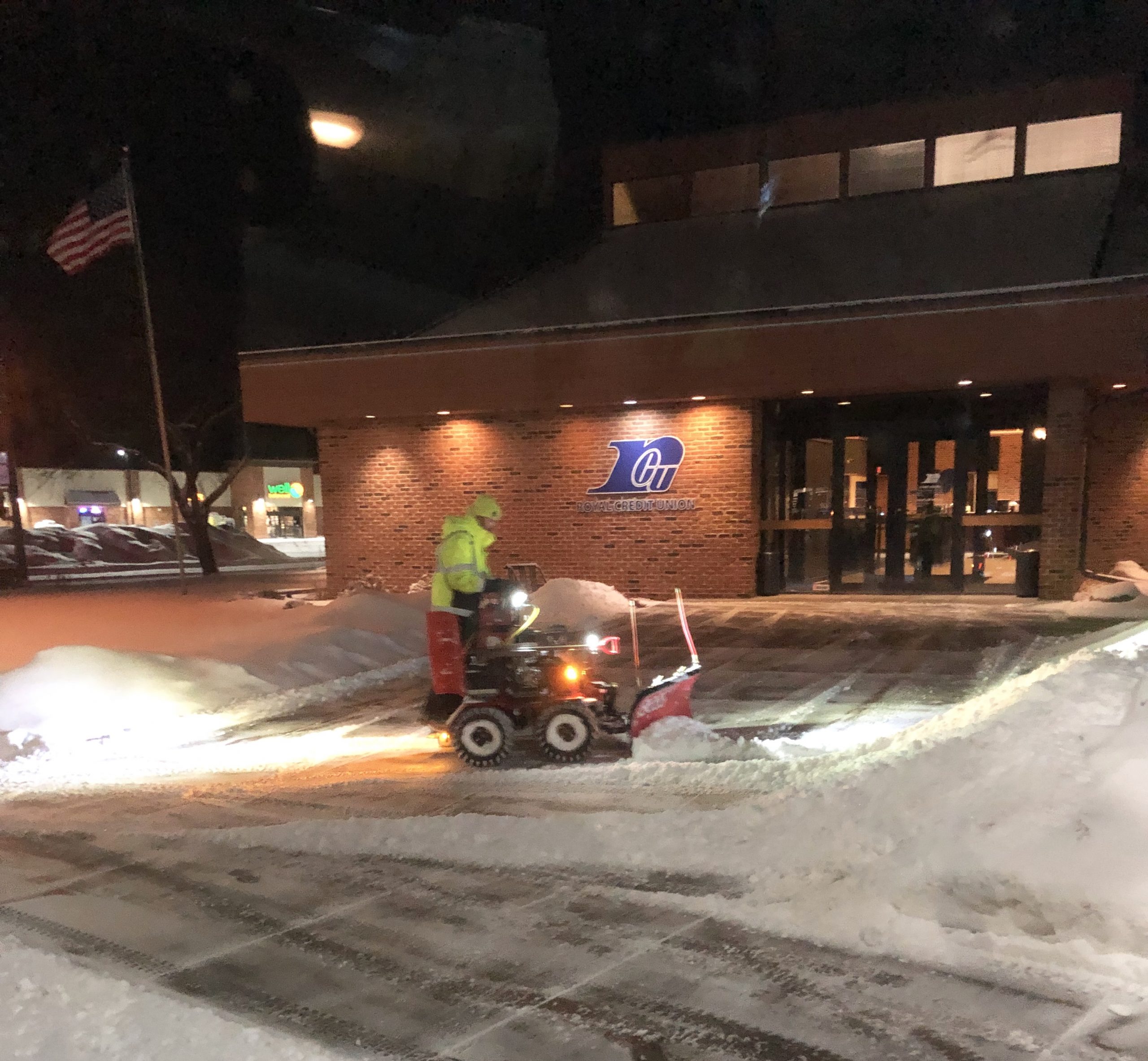
Snowfall, drifting, packed snow, and refreezing can limit access to driveways, sidewalks, entrances, and parking areas.
We review the areas that need clearing, hidden obstacles, and available snow-storage space before establishing service.
Driveways differ in width, slope, pavement, and available storage space. Parked vehicles, mailboxes, retaining walls, and landscaping can also affect the work.
Move portable items and mark low obstacles before snow covers them.
Commercial sites may include parking spaces, entrances, loading areas, traffic lanes, and pedestrian routes.
We look at how the property is used, where equipment can enter, and where cleared snow can be placed.
Plowing moves snow to another part of the property. After several storms, piles can block sightlines, narrow entrances, or take up needed parking spaces.
Snow removal clears those accumulated piles when on-site storage becomes limited.
Place snow where it is less likely to block access, interfere with drainage, or damage sensitive landscaping.
The storage plan may need to change as more snow accumulates through the winter.
Conditions Around Woodbury Properties
Woodbury lawns often begin spring with cold, wet ground. Growth picks up as the soil warms, slows during hot or dry summer weather, and increases again during cooler fall conditions.
Many developed properties also have compacted or clay-rich soil. It may stay wet after a heavy storm and become hard during a dry stretch. These changes can lead to runoff, shallow roots, and uneven growth.
The University of Minnesota lawn care calendar explains why fertilization, weed treatment, and other lawn work should follow the growth cycle. We consider the same seasonal timing when recommending service.
Local Lawn and Snow Service
Fitzgerald Lawn Care provides year-round lawn, landscape, pest, trapping, and snow services for Woodbury properties. Available work includes mowing, edging, aeration, mulch installation, fertilization, lawn insect control, mole and pocket gopher trapping, snow plowing, and snow removal.
We prepare the estimate according to the property and the work requested.
Fitzgerald Lawn Care also serves:
Woodbury Lawn, Pest and Snow Questions
Fitzgerald Lawn Care provides lawn maintenance, mulch installation, fertilization, lawn pest control, mole and pocket gopher trapping, snow plowing, and snow removal in Woodbury, Minnesota.
Tell us which service you need and where the issue is located. We will review the property, explain the available options, and prepare an estimate.