

Seasonal Lawn Treatments
Feed the lawn when it needs it, control weeds during the growing season, and prepare the grass for winter with five scheduled applications from Fitzgerald Lawn Care.
Your Five-Step Lawn Plan
The program starts with the lawn itself. Grass condition, weeds, damage, and recent lawn care all affect what should be applied.
Before treatment begins, we look at the grass, visible weeds, thin areas, bare soil, and signs of stress. Tell us about any areas that have changed or have not responded to previous lawn care.
The five-step program is intended for established lawns that need seasonal feeding and weed control. A lawn with active disease, insect damage, drainage trouble, or large bare areas may need another service as well.
Five visits are scheduled from early spring through fall. Timing may shift with the weather because treatments need to match the season and the lawn's growth.
Each visit has a different purpose. The application may support green-up, help prevent crabgrass, maintain summer color, control weeds, or prepare the roots for winter.
Existing weeds are treated when they are present, and conditions allow. Early identification matters because young, actively growing weeds are often easier to manage than mature plants.
The lawn may change between applications. If weeds spread, color fades, or an unusual patch appears, let Fitzgerald Lawn Care know. The area may need to be checked before the next treatment.
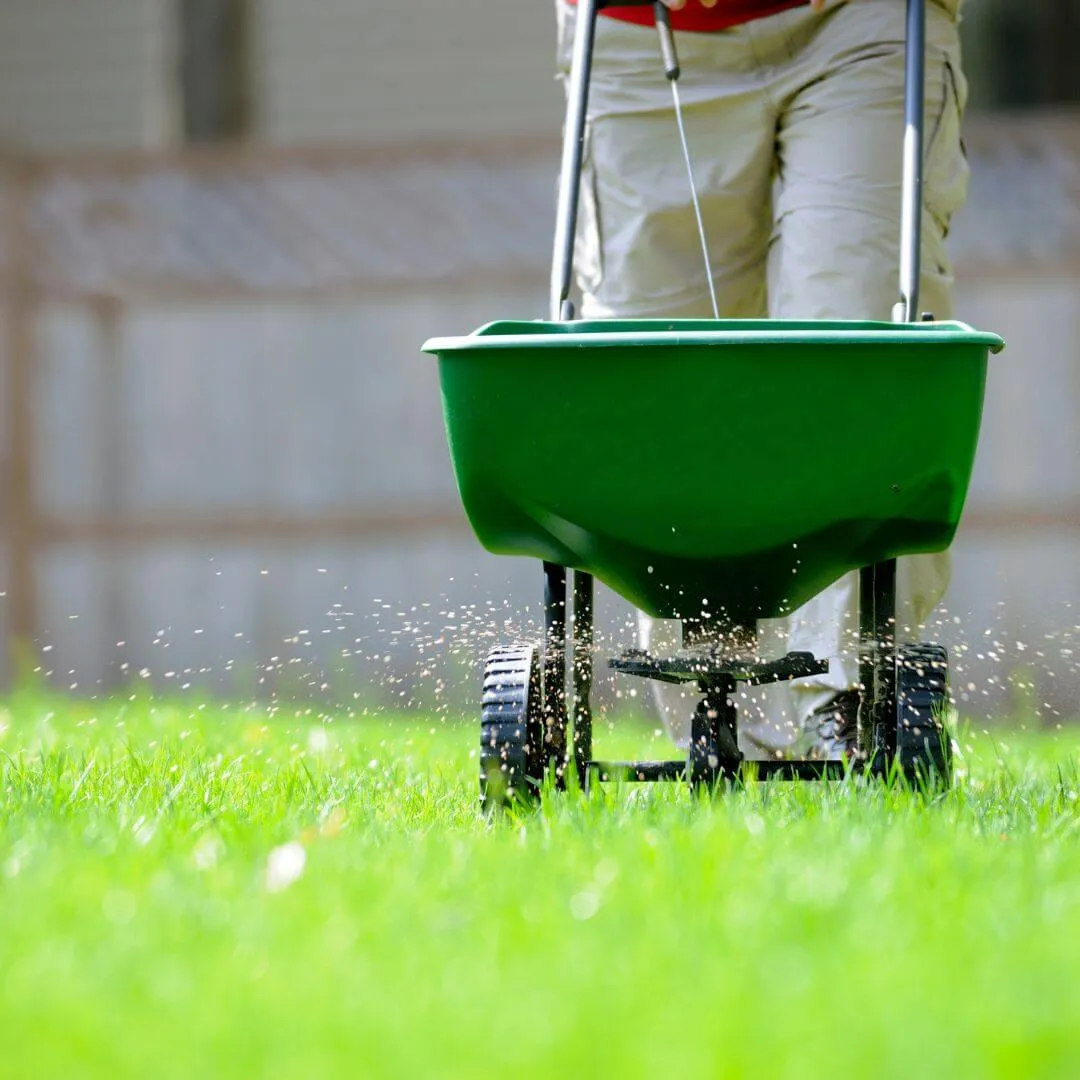
The instructions may differ from one visit to the next. Check the service notes before watering, mowing, or allowing regular use of the treated lawn.
Some fertilizer needs water to move into the soil. Certain weed treatments need time to remain on the leaves. Follow the instructions provided after that visit instead of using the same watering routine after every application.
Mowing immediately after treatment may reduce contact with weeds or remove material before it settles. If mowing needs to be delayed, the service instructions will tell you how long to wait.
Keep children and pets off the lawn during treatment and for the return period listed in the service instructions. Do not allow pets to lick, roll in, or eat grass from a freshly treated area.
Do not sweep, rake, or blow treatment away from the grass. If material lands on a driveway, walkway, patio, or another hard surface, follow the cleanup guidance provided after service.
Fertilizer does not correct every brown or thin area. Insects, disease, compacted soil, poor drainage, pet damage, and uneven watering can cause similar problems. Contact Fitzgerald Lawn Care if a section of the yard changes quickly or continues to decline.
Five Seasonal Applications
Each application is timed for a different part of the growing season. Weather may change the exact visit date, but the purpose of each step stays the same.
The first visit supports spring green-up as the lawn begins growing again. It includes pre-emergent crabgrass control, which helps stop many crabgrass seeds from developing.
Pre-emergent treatment does not remove crabgrass that has already grown. Existing controllable weeds are treated separately when they are present.
The second application feeds the lawn during active spring growth. Weed control is applied across suitable lawn areas to address common broadleaf weeds already growing in the grass.
Spring weather often brings fast growth. Keep mowing at a suitable height and avoid cutting the lawn too short, even if that means mowing more often.
Heat and lower rainfall can begin placing stress on the lawn by early summer. This application provides seasonal nutrition before the most difficult summer conditions arrive.
Weeds are treated when present and when weather conditions are suitable. A brown or weak section will be checked before additional fertilizer is considered, since feeding will not correct insect, disease, or irrigation damage.
The fourth visit helps the lawn hold its color without pushing excessive top growth during hot weather. Forcing fast growth at the wrong time may place more demand on grass that is already dealing with heat or limited moisture.
Controllable weeds are treated when needed. Watering and mowing remain important because fertilizer cannot make up for grass that is repeatedly cut too short or left without enough moisture.
The final application supports root growth and food storage before winter. Stronger roots help the grass enter dormancy in better condition and support green-up when growth begins again in spring.
Remaining controllable weeds may also be treated. Fall treatment does not replace leaf removal. Thick, wet leaves should not be left covering the lawn for long periods.
Control Seasonal Weeds
Crabgrass prevention and treatment for existing weeds do different jobs.
Pre-emergent treatment is applied before crabgrass becomes established. It creates a barrier near the soil surface that affects germinating seeds. Once that barrier is in place, digging or disturbing the soil may reduce coverage in that area.
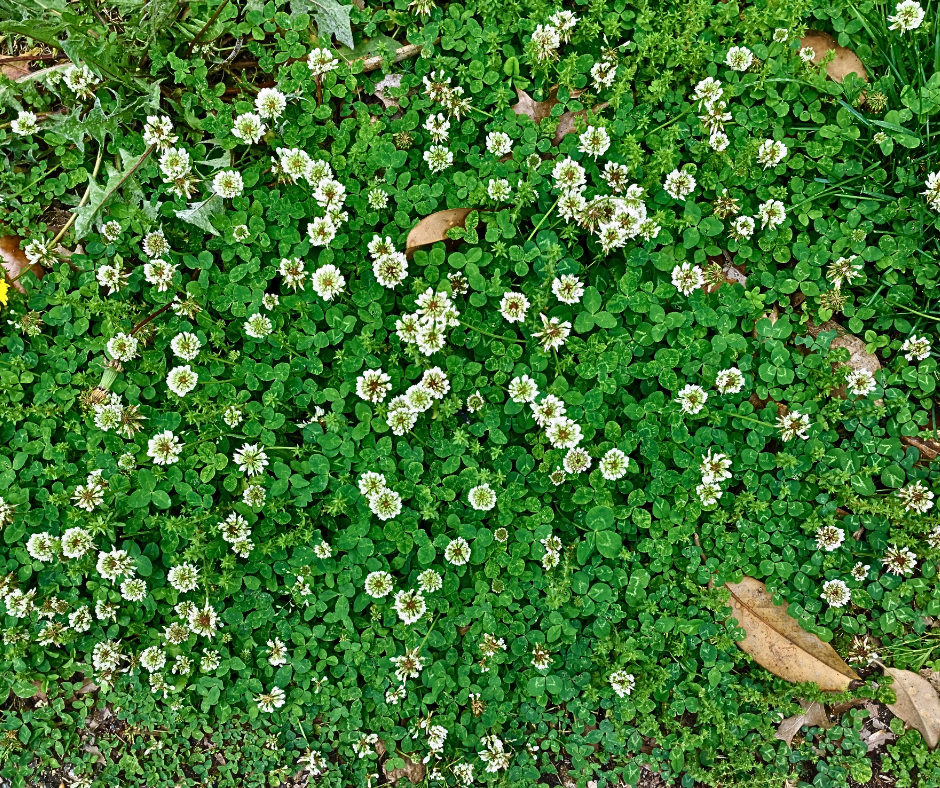
Post-emergent weed control is used on suitable weeds that are already growing. Results depend on the weed, its stage of growth, and the weather during treatment.
No lawn stays completely free of weeds. Wind, birds, animals, mowing equipment, and disturbed soil can bring new seeds into the yard. Contact Fitzgerald Lawn Care if a controllable weed remains active after the treatment has had time to work.
Learn more about weed control in Western Wisconsin and Eastern Minnesota.
Avoid Unneeded Fertilizer
Adding extra fertilizer between scheduled visits will not make the lawn improve faster. Too much can force weak growth, increase mowing, or damage the grass.
Avoid applying store-bought fertilizer or a weed-and-feed product without checking first. It may repeat something already included in the program or interfere with the next planned application.
If the lawn looks pale after treatment, give it the recommended time to respond. Persistent color loss may come from watering, soil, disease, insects, or another problem that fertilizer alone will not solve.

Support Every Application
Fertilizer works best when everyday lawn care supports it.
Keep the grass at an appropriate mowing height and avoid removing too much at once. Short cutting weakens the lawn and leaves more open space for weeds.
Water according to the weather and the condition of the soil. A fixed schedule may provide too much water after rain and too little during a dry stretch. Look for runoff, standing water, or dry sections that may point to uneven sprinkler coverage.
Keep leaves, clumps of grass, and other heavy debris from covering the turf. If thin grass, hard ground, or thick thatch is limiting growth, aeration, overseeing, or dethatching may be recommended separately.

Local Lawn Care Support
Fitzgerald Lawn Care serves New Richmond and nearby communities across Western Wisconsin and Eastern Minnesota.
The five-step program follows the local growing season rather than repeating one fertilizer mix at every visit. Treatment changes as the lawn moves from spring growth to summer stress and fall root development.
Before service begins, you will know how many visits are included and what each application is meant to do. Instructions after treatment explain when to water, when to mow, and when the lawn can be used again.
If something changes between visits, contact the team instead of waiting for the next appointment.

Fertilizer and weed control are only part of lawn care. Fitzgerald Lawn Care also provides services for other problems around the property.
Lawn care and maintenance includes mowing, edging, aeration, overseeing, dethatching, and seasonal cleanup.
Lawn pest and insect control addresses grubs and other insects that may damage grass or roots.
Lawn disease control begins by checking discolored, thinning, or spreading patches before a treatment is selected.
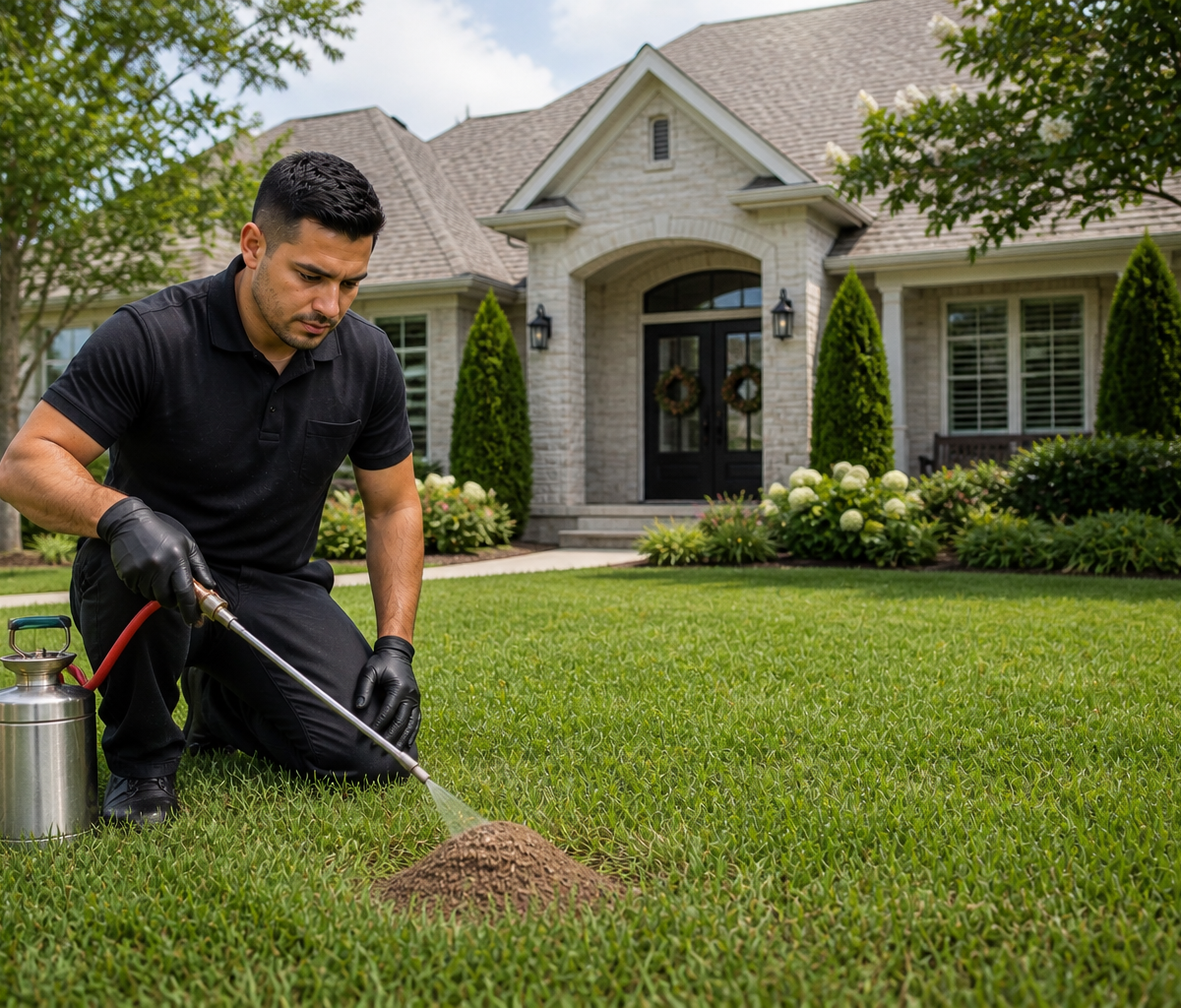
Mole and pocket gopher trapping targets animals leaving tunnels, raised soil, and mounds across the property.
Mulch installation refreshes beds around trees, shrubs, flowers, and other established plants.
Fertilizer Program Questions
Here are answers to common questions about application timing, weed control, watering, mowing, pets, and what is included in the five-step program.
If the lawn looks pale, weeds keep returning, or growth changes through the season, it may need more than a single fertilizer application.
Fitzgerald Lawn Care provides five scheduled treatments from early spring through fall. Each visit is timed around the lawn’s seasonal needs and may include fertilizer, pre-emergent treatment, or control for weeds already growing.
Start with an estimate. The lawn will be reviewed, the program will be explained, and you will know what is included before service begins.