WI 715-265-3237 | MN 507-262-1027 WI 715-265-3237 | MN 507-262-1027 Get a Quote

Local Lawn Pest Control

Lawn Pest and Insect Control in New Richmond, WI

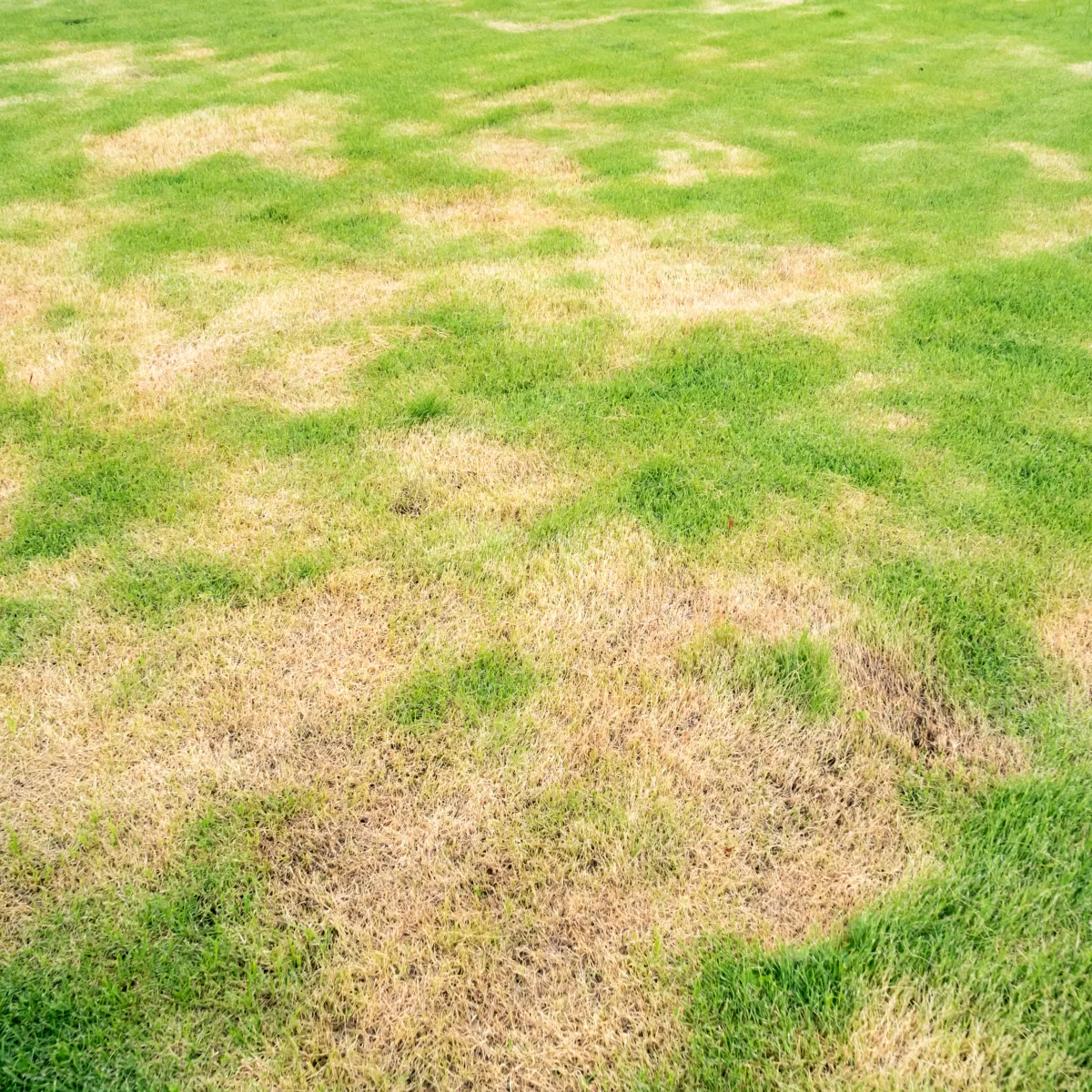
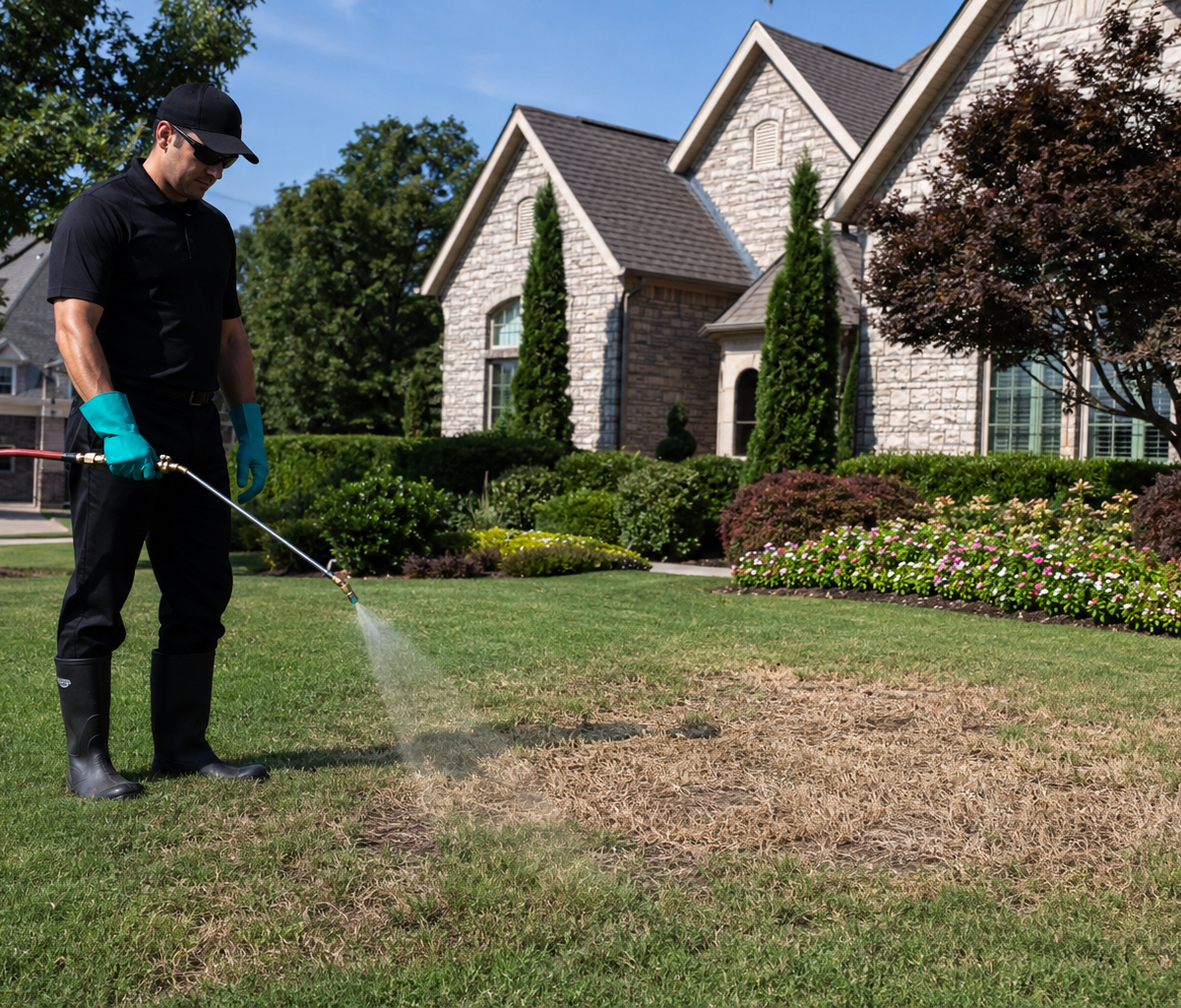
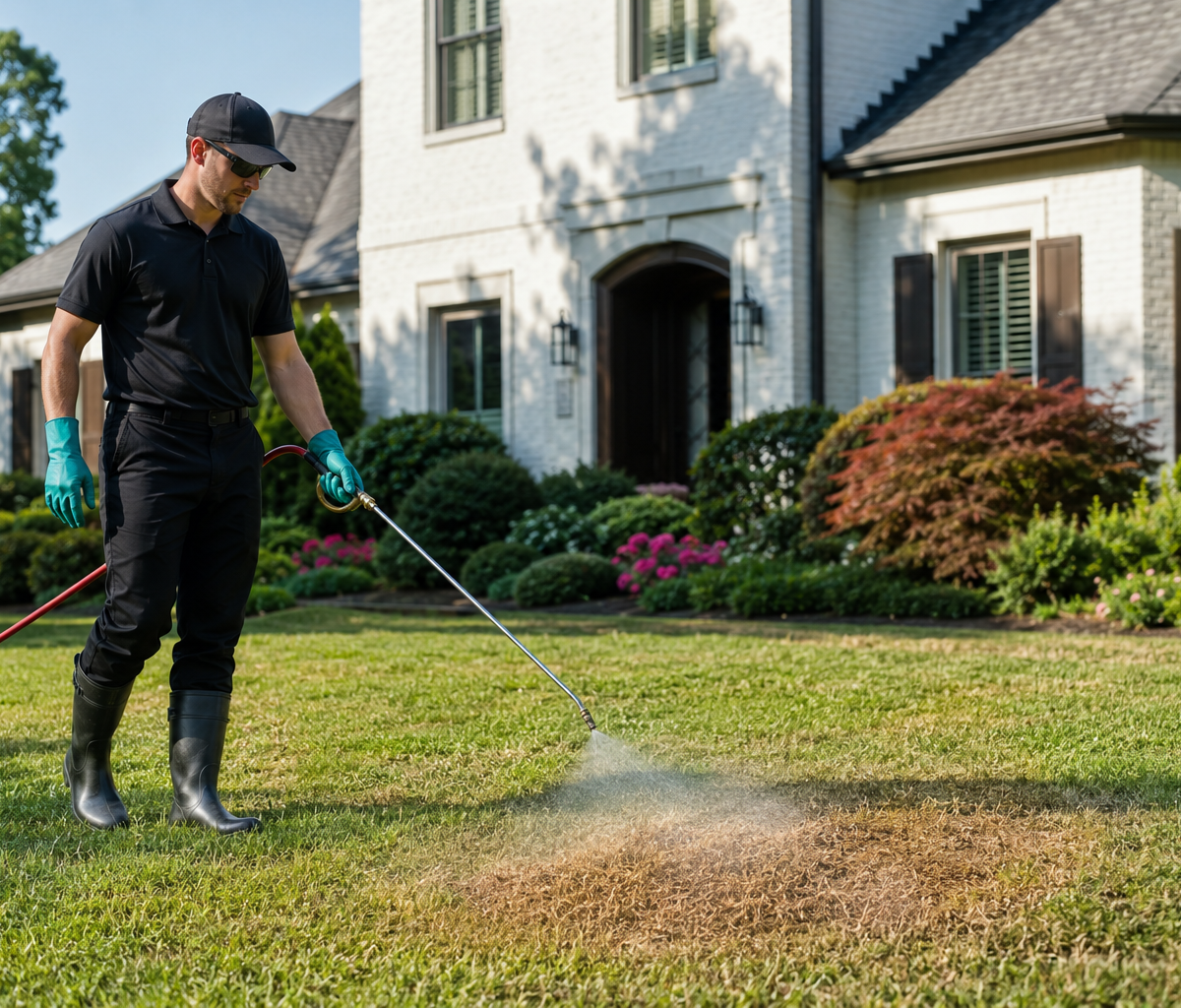
Brown grass, loose turf, or chewed leaves can indicate an insect problem, but the damage needs to be assessed before anything is applied. Fitzgerald Lawn Care provides residential lawn pest control in New Richmond, WI, for grubs and other lawn pests affecting lawns and landscape plants.

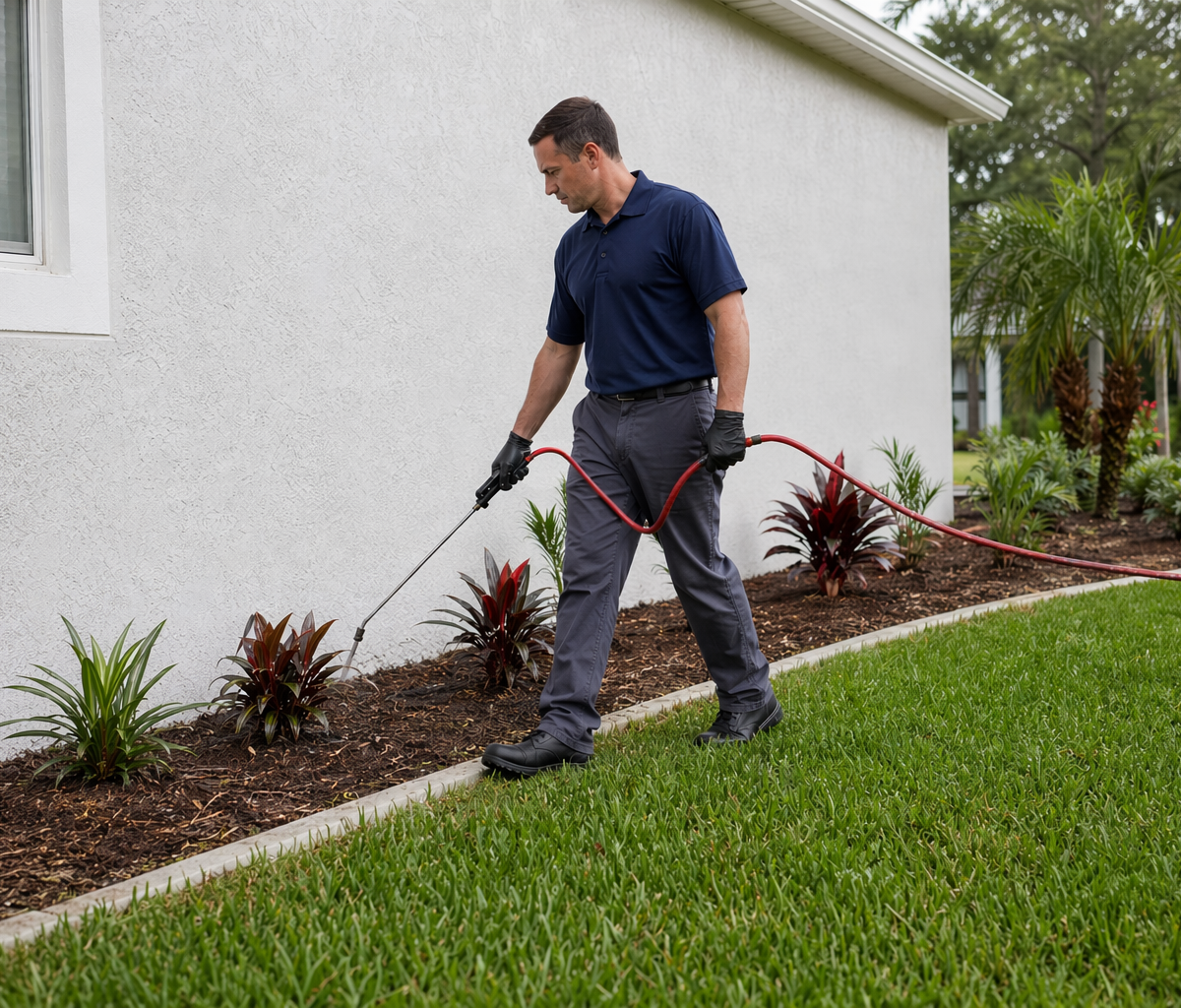
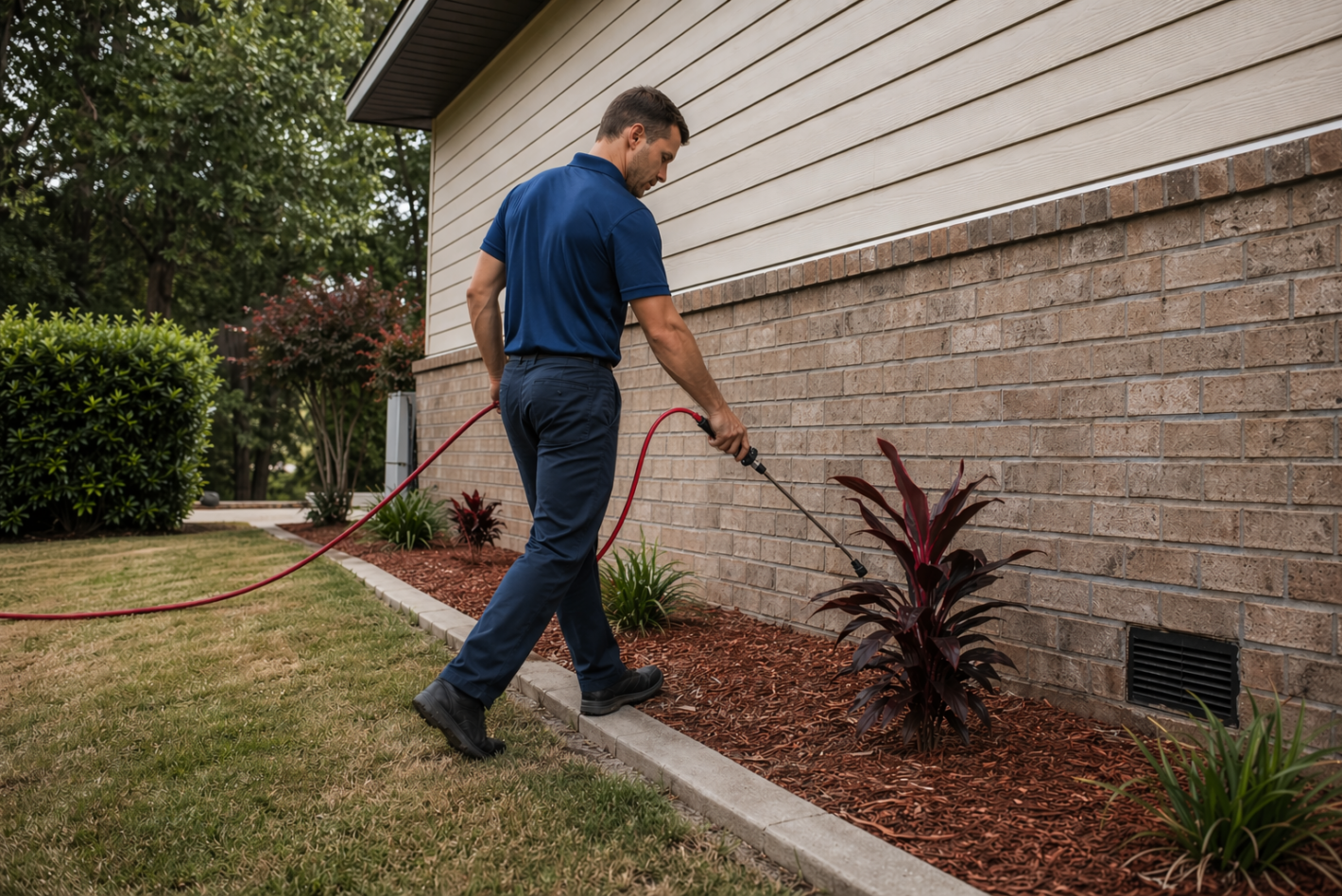
Our experts inspect the damaged area, look for pest activity, and match the service to what is actually present. Exterior perimeter pest control is also available for insects gathering around the home.
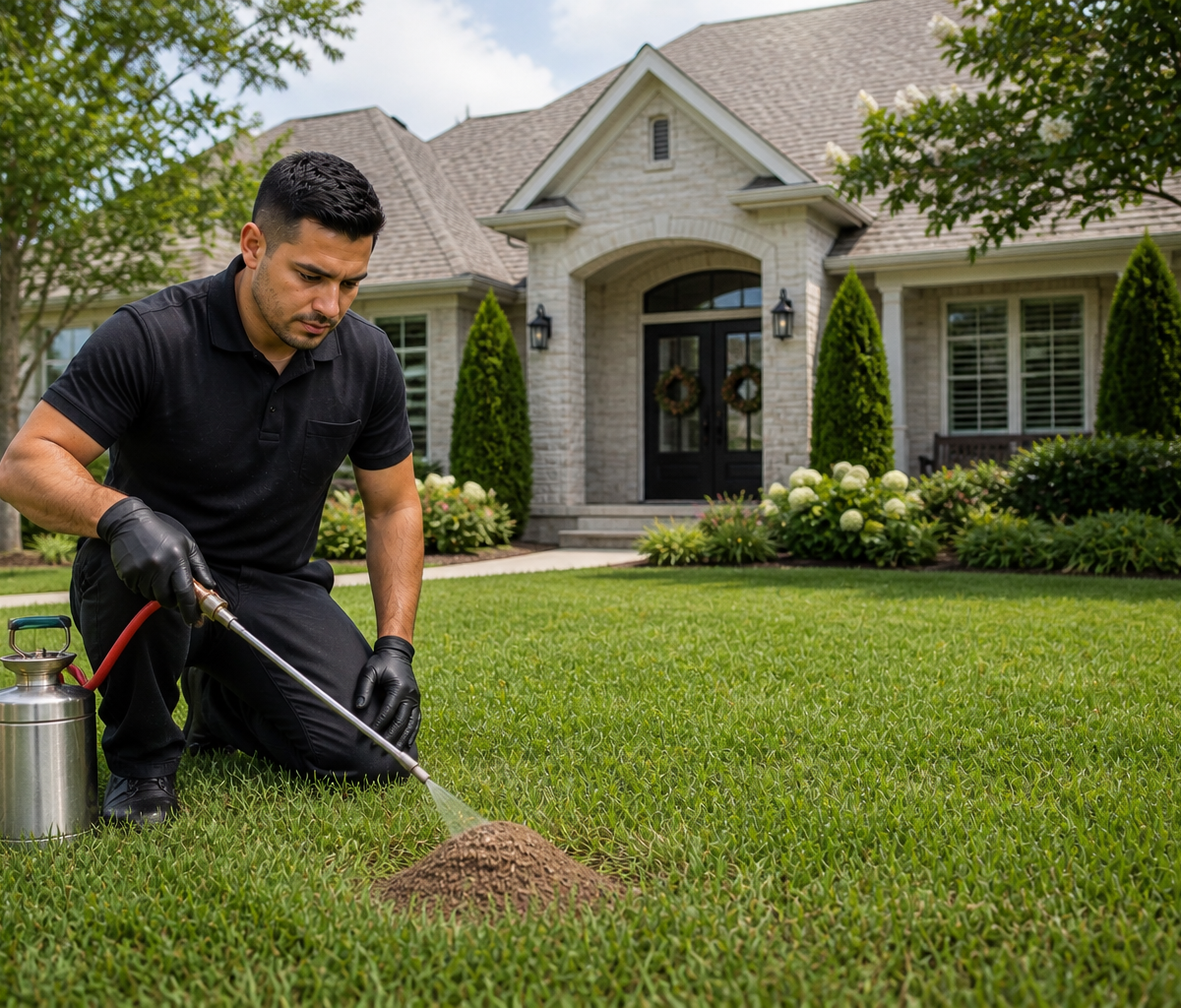
Find the Source of Damage

Stop Lawn Insects Before Damage Spreads

Grass can turn brown for many reasons. Heat, dry soil, a sprinkler problem, lawn disease, pet activity, and insects may leave similar patches. Fitzgerald Lawn Care checks the grass, roots, soil, and nearby plants before recommending lawn insect control.

Grubs cause trouble below the surface by feeding on grass roots. The lawn may look dry even after watering, feel loose underfoot, or pull back from the soil. Birds, skunks, and other animals may dig into the same area while searching for grubs.

Beetles are easier to see. Adult beetles gather on leaves and flowers, sometimes leaving only the veins behind. They may damage roses, shrubs, trees, and other plants while their young develop as grubs in the soil.

The right service depends on the pest and where it is active. Grub treatment goes into the lawn. Plant pest treatment focuses on affected plants. Perimeter treatment covers agreed areas around the house. Your estimate will state what is included.

Your Six-Step Pest Plan

How Our Lawn Pest Control Service Works

Show Us Where Damage Appeared

Tell us when you first noticed the problem and whether it is spreading. We look at brown patches, thin grass, loose turf, damaged leaves, disturbed soil, and insect activity near the house.

Tell us about recent watering, fertilization, weed treatment, mowing, or seeding. These can change how the lawn looks.

Check the Grass, Roots, and Plants

Our experts inspect the affected turf and the soil below it. We may check whether the grass is rooted firmly, whether insects or larvae are present, and whether animals have disturbed the area.

For landscape plants, we check the leaves, flowers, stems, and feeding patterns.

Identify the Likely Pest

Treatment should follow identification. White grubs, plant-feeding insects, and insects gathering around a foundation do not live or feed in the same place.

We will determine if disease, poor watering, or compaction is causing the damage.

Select the Right Service Area

The inspection determines whether service belongs on the lawn, on selected landscape plants, or on agreed-upon exterior areas around the home. We also consider the pest's life stage, current activity, weather, and condition of the grass or plants.

Your estimate will identify whether the lawn, plants, home perimeter, or several areas are included.

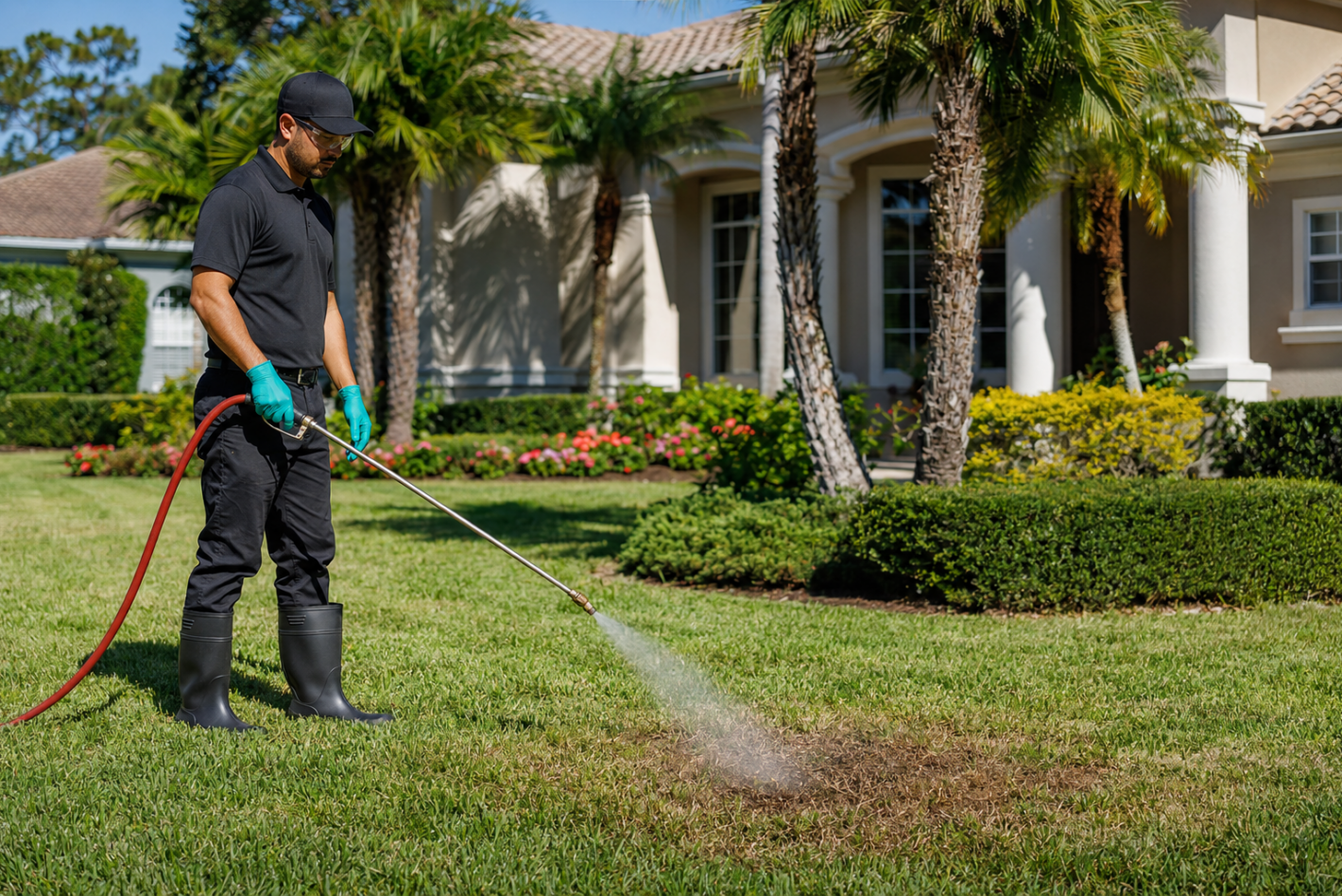
Complete the Treatment

We treat the agreed areas while avoiding spaces that are not part of the service. Gates and treatment areas need to be accessible.

The crew will leave instructions for watering, mowing, lawn access, and any other steps required after the application.

Watch for New Activity

Injured grass and leaves need time to recover after treatment. New beetles may also fly in from nearby properties.

Watch for spreading patches, loose turf, fresh digging, or continued plant damage. Contact us if the problem remains active.

Care After Pest Treatment

What to Do After Lawn Pest Control

Use the instructions left after the visit by your service professional. A grub application may need watering to reach the root zone. Treatment applied to leaves may need time to dry. Automatic watering at the wrong time can work against the application.

Keep children and pets away during service and until the return instructions have been followed. Clear toys, pet bowls, hoses, and movable items beforehand.

Wait to mow, rake, dig, or disturb treated ground for the period listed in the service notes. Mowing too soon may remove material from the grass. Digging into a treated section can also disrupt the application.

If new damage appears, photograph both the location and the affected grass, soil, insect, or leaf.

What Pest Control Can Do

Practical Help for an Insect-Damaged Lawn

Professional pest control combines inspection, treatment, and follow-up into a single clear service.

  • Find the cause before treating: Brown grass is checked for insect activity rather than treated based on appearance alone.
  • Reach pests below the lawn: Grub treatment is applied with the root zone and the grub’s stage of development in mind.
  • Protect affected plants: Plant pest treatment can reduce active feeding on suitable trees, shrubs, and other landscape plants.
  • Address outdoor entry areas: Perimeter treatment covers agreed exterior areas where insects gather or move toward the home.
  • Keep services clearly separated: The estimate explains whether the work covers turf, plants, the home perimeter, or a combination of these.
  • Support lawn recovery: We point out when damaged turf may also need watering, fertilization, aeration, overseding, or another lawn service.

Pest control will not replace roots or grass that have already been lost. It also cannot correct drought, poor irrigation, compacted soil, disease, or heavy shade. Those conditions need their own solution.

New Richmond Pest Activity

Why Lawn Pest Problems Change Through the Season

Insect activity follows the weather and the pest’s life cycle. Grubs spend part of the year below the lawn, where their feeding may go unnoticed until the grass is already under summer stress. Damage often becomes clearer when the affected turf cannot take up enough water through weakened roots.

Plant-feeding insects may become more active during warm weather. They may gather on sunny plants and feed on leaves or flowers. Their activity can change through the season as temperatures and plant growth change.

New Richmond lawns can quickly transition from a wet spring to hot, dry weather. Moist soil can attract egg-laying beetles, while later heat exposes root damage. A lawn that looked healthy early may decline once temperatures rise.

Local areas worth watching include:

The presence of insects does not always mean treatment is needed. Some insects are harmless or beneficial. We focus on pests associated with active damage or agreed-upon exterior problem areas.

Match Service to the Pest

Grub, Beetle, or Perimeter Pest Control?

Grub Control for Lawn Roots

White grubs are the early stage of several beetles. They live in the soil and may feed on grass roots. According to the University of Wisconsin Extension guide to white grubs, several grub species occur in Midwestern turf, which makes identification and timing important.

Treatment does not instantly restore damaged grass. Thin or bare sections may need recovery work after the insects are controlled.

Plant Pest Control for Affected Areas

Plant-feeding insects can damage leaves, flowers, and fruit. Affected leaves may look lacy or skeletonized. Insects can move between properties, so new activity may appear after an earlier group has been treated.

We assess which plants are affected and how much feeding is occurring before recommending service.

Exterior Perimeter Pest Control

Perimeter treatment is for outdoor insect activity around agreed parts of the home. Common areas include the foundation, doors, windows, and utility openings.

Treatment does not repair gaps or remove every place insects can hide. Trimming vegetation away from the house, moving stacked materials, and sealing openings can reduce conditions that draw pests close to the building.

Know When to Call Us

Signs Your Lawn May Have an Insect Problem

Ask for an inspection when you notice:

  • Brown or thinning grass that keeps spreading
  • Turf that feels spongy or loose underfoot
  • Grass that lifts away from the soil easily
  • Fresh digging or pecking by birds and animals
  • White grubs found beneath damaged turf
  • Visible insects feeding on landscape plants
  • Leaves with heavy feeding damage
  • Outdoor insects gathering near entry points
  • Damage that does not improve with normal watering

Try not to identify the pest based on a single symptom. Loose grass may point to root loss, but drought and disease can also weaken turf. Chewed leaves may come from several plant-feeding insects. The damaged area and the pest should be checked together.

More Help for Your Property

Related Services for New Richmond Homes

Lawn pest control may solve the immediate insect problem, while another service helps the property recover or addresses similar damage.

We will explain which service is best suited to the damage found on the property. Similar symptoms do not automatically mean several treatments are needed.

Local Experience Since 1998

Why Choose Fitzgerald Lawn Care?

Fitzgerald Lawn Care has served New Richmond and surrounding communities in Western Wisconsin and Eastern Minnesota since 1998. Our crew knows that lawn insects, diseases, drought, and watering problems can cause damage that looks almost identical at first glance.

Your estimate will identify the pest service, treatment area, timing, preparation, and aftercare. You will know what is being treated before work begins.

The damaged area is checked first

We look at the grass, roots, soil, plants, and nearby activity before recommending treatment.

The service matches the pest

Grub control, plant pest treatment, and exterior perimeter pest control remain separate unless the estimate includes more than one of these.

Local timing matters

Treatment decisions account for the pest's life stage, current weather, lawn stress, and seasonal activity.

Aftercare is kept clear

You receive instructions for watering, mowing, people, pets, and use of the treated areas.

Other causes are not ignored

We will point out when lawn disease, irrigation, compaction, or another issue better explains the damage.

Recovery needs are explained

If roots or grass have been lost, we will discuss the lawn care needed after pest activity is controlled.

Local Pest Questions

Frequently Asked Questions

Request Lawn Pest Control for Your New Richmond Home

Brown grass, loose turf, chewed leaves, and unexpected insect activity are easier to address when the cause is clear. Fitzgerald Lawn Care will inspect the affected areas, identify the likely pest, and explain whether the lawn, landscape plants, or exterior perimeter needs treatment.

Your estimate will cover the service area, timing, preparation, aftercare, and any recovery work the lawn may need. Tell us when the damage started and whether it has changed after watering, mowing, or recent lawn service.