WI 715-265-3237 | MN 507-262-1027 WI 715-265-3237 | MN 507-262-1027 Get a Quote

Local Burrowing Pest Care

Mole and Pocket Gopher Trapping in New Richmond, WI

Fresh ridges, soft ground, and new soil mounds can quickly make a yard difficult to use. Fitzgerald Lawn Care provides mole and pocket gopher trapping in New Richmond, WI, using below-ground traps placed where current activity is found.

Our crew checks the tunnel pattern before setting equipment. Trap locations are flagged, monitored, and moved as activity shifts. This service does not place chemical treatment or poison bait across the lawn.
Stop New Tunnels and Mounds

Deal With Burrowing Activity Before It Spreads

A raised tunnel may cross the lawn overnight. Loose soil can appear beside a landscape bed, walkway, garden, or driveway. The ground may feel soft underfoot even when the grass still looks green. Fitzgerald Lawn Care checks these signs before deciding where traps belong.

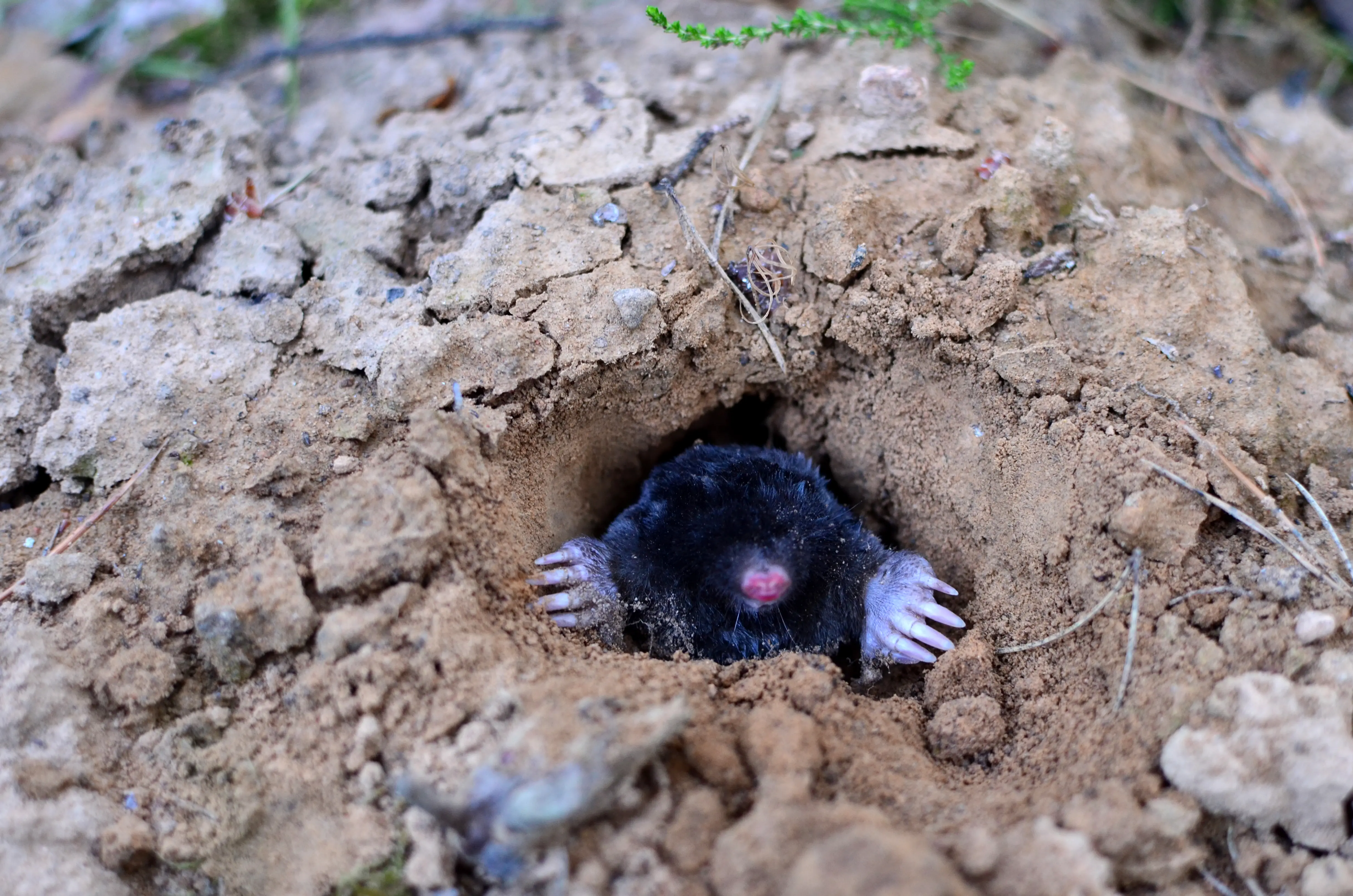
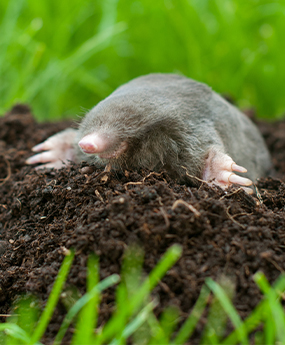
Moles and pocket gophers both spend most of their time underground, but they are not the same animal. Moles move through the soil in search of earthworms and insects. Their shallow runs can push grass upward, loosen roots, and leave long ridges near the surface.

Pocket gophers feed on roots and other plant material. Their digging often leaves a fan- or crescent-shaped mound with a plugged entrance on one side. They may damage grass, garden plants, shrubs, or irrigation lines while extending a tunnel system.

Old tunnels may remain after an animal moves on. Fresh soil, new ridges, and recent plant damage point us toward active routes.

Your Six-Step Lawn Plan

How Residential Core Aeration Works

Show Us the New Activity

Tell us where the first ridge or mound appeared and whether the activity has moved since then. We look at the lawn, landscape beds, gardens, slopes, walkways, and lawn edges for loose soil or raised ground.

If the signs change before our visit, send one photo of the location and another of the mound or tunnel.

Inspect the Tunnel Pattern

Our crew checks fresh soil, raised ridges, soft ground, plugged openings, and plant damage. We follow the pattern to find the main route rather than choosing a trap location based on a single mound.

Rain, irrigation, frost, and dry weather can change where the animal travels and how clearly tunnels show.

Identify the Likely Animal

Moles often leave raised surface runs or rounded soil mounds. Pocket gophers usually leave flatter, fan-shaped mounds with an entrance plugged near one side. Voles and other animals can leave different holes or runways.

The signs are considered together before traps are placed. Correct identification gives the trapping plan a better starting point.

Set and Mark the Traps

Traps are placed below ground in selected active tunnels. A visible flag marks each location so your household, our crew, and anyone working in the yard can avoid it.

Fitzgerald does not spread chemicals or poison bait for this service. Keep people, pets, and equipment away from every flag.

Check and Move Equipment

Trap locations are checked during scheduled visits. A trap may be reset, removed, or moved when the activity shifts to another route.

Not every visible tunnel is used each day. Monitoring detects when the active route changes.

Track Fresh Tunnels and Mounds

New activity can appear between visits. Leave fresh signs in place and tell us where they are so the trap positions can be reviewed.

Once the trapping period ends, we will remove Fitzgerald's equipment and explain which damaged areas can be pressed down, filled, or repaired.

Care While Traps Are Active

What to Do During Trapping Service

Leave every flag and trap location alone. Digging, pulling a marker, or pressing down the tunnel can change the animal’s route. Contact us if a flag falls.

Keep children and pets away from marked areas. Let family members, visitors, lawn crews, and contractors know that traps are active.

Mow around each flag, leaving enough space to protect the marker and the equipment below it. Avoid driving a mower, cart, aerator, or other machine over the area. If another lawn service is scheduled, show the crew where the flags are before work starts.

Leave fresh tunnels and loose soil in place while monitoring is underway. Report new signs with a photo or clear location.

What Seasonal Trapping Does

Practical Help for an Active Yard

Seasonal trapping gives the crew time to track activity rather than relying on a single visit.

  • Start with current signs: Fresh ridges and mounds guide the inspection toward tunnels that may still be in use.
  • Keep bait off the lawn: Fitzgerald uses trapping methods rather than spreading chemical products or poison bait for this service.
  • Mark every trap location: Flags make below-ground equipment visible to the household and anyone maintaining the property.
  • Move with the activity: Traps can be reset or relocated when the animal changes routes.
  • Monitor through the season: The property is checked from spring into fall while soil conditions allow trapping work.
  • Report activity between visits: You can contact us if another ridge or mound appears, rather than waiting for the next scheduled check.

Trapping addresses the active animal. It does not flatten ridges, replace grass, repair irrigation, or prevent another mole or gopher from entering later. Lawn and landscape repairs begin after the trapping work is complete.

New Richmond Ground Activity

Why Tunnel Activity Changes Through the Season

Moles do not hibernate. Fitzgerald’s trapping season generally runs from about April 15 through October 15. Frost, snow, rain, and soil conditions can shift those dates.

Spring thaw and rain soften the ground around New Richmond. Earthworms and other soil life move closer to the surface, and mole ridges may become easier to spot. A wet lawn can also make fresh soil and raised runs stand out more clearly.

During hot or dry weather, the surface can become firm. Moles may use deeper tunnels where moisture and food are more readily available. Activity has not necessarily stopped just because fewer ridges are visible. Irrigated sections may continue to attract soil life and show more movement than dry parts of the yard.

Fall moisture may bring new surface signs before the ground freezes. Pocket gophers remain active below ground, so fresh late-season activity should still be reported.


Watch these parts of the property:

Weather changes where signs appear, but active tunnels matter more than a fixed calendar date.

Properties beside open lots or field edges may show new activity when an animal extends its tunnel system into maintained grass.

Know Which Animal Is Active

Mole or Pocket Gopher: What Is the Difference?

Mole Activity

Moles eat earthworms, grubs, and other animals in the soil. They are not normally feeding on grass roots, but their tunneling can lift turf, loosen soil, expose roots, and create uneven ground.

Typical signs include raised surface ridges, soft soil above a run, and rounded or volcano-shaped mounds. Several ridges may connect as the mole searches for food.

Pocket Gopher Activity

Pocket gophers are rodents that feed on roots and other plant material. Their work may leave missing plants, damaged roots, disturbed irrigation, and piles of soil near a tunnel.

The Utah State University Extension guide to pocket gophers describes their mounds as fan-shaped with a soil plug sealing the entrance. That mound pattern can help separate gopher activity from the rounded mounds or raised runs associated with moles.

Why Identification Matters

Trap type and placement depend on the animal and the tunnel layout. A mound can also be confused with activity from another burrowing animal. We review the full pattern before placing equipment.

Know When to Call Us

Signs You May Need Mole or Gopher Trapping

Ask Fitzgerald to inspect the property when you notice:

  • New raised ridges crossing the grass
  • Fresh rounded or fan-shaped soil mounds
  • Soft ground over an underground route
  • Grass lifting where a tunnel passes below it
  • Plants declining near fresh soil activity
  • Roots exposed or disturbed around beds
  • Soil pushed onto a walkway or lawn surface
  • New activity after older tunnels went quiet
  • Repeated damage near irrigation or utilities

One old mound does not confirm that an animal is still present. Fresh soil and continued movement are stronger signs. Avoid opening the tunnel or placing a store-bought product before the area is checked, since disturbing the route can make trapping harder.

More Help for Your Yard

Related Services for New Richmond Properties

Trapping deals with the animal using the tunnel. Other services may be needed for lawn damage, insects, weeds, or repairs around the property.

We will explain whether the damaged area needs time to settle, simple lawn repair, or a separate service after trapping is complete.

Why Choose Fitzgerald Lawn Care?

Fitzgerald Lawn Care has served New Richmond and nearby communities across Western Wisconsin and Eastern Minnesota since 1998. Our trapping service follows fresh activity rather than treating every old tunnel as an active route.

  • The property is inspected first

    We check ridges, mounds, soft ground, plant damage, and the direction of the tunnel system.

  • Traps stay below ground

    Every Fitzgerald trap is placed in a selected tunnel and marked above the surface with a flag.

  • No lawn bait is used

    This service relies on trapping instead of spreading chemical products or poison bait across the grass.

  • Locations are monitored

    Traps can be checked and moved when new activity appears in another part of the yard.

  • Seasonal timing is clear

    Service generally runs from mid-April to mid-October, with weather and soil conditions affecting exact dates.

  • You can report new signs

    Fresh ridges or mounds between visits can be shared with the crew for review.

    Your estimate will explain the trapping area, monitoring schedule, access needs, and what to expect while flags remain in the yard.

Local Trapping Questions

Frequently Asked Questions

Stop Fresh Burrowing Damage

Fresh ridges, new soil mounds, and soft ground are easier to assess before the tunnel pattern changes. Fitzgerald Lawn Care will inspect the activity, identify the likely animal, and explain where traps should be placed.

Your estimate will cover the trapping area, monitoring schedule, marked locations, access needs, and seasonal timing. Tell us where the activity first appeared and whether it has moved across the property.