WI 715-265-3237 | MN 507-262-1027 WI 715-265-3237 | MN 507-262-1027 Get a Quote

Local Lawn Weed Control

Weed Control in New Richmond, WI

Seeing crabgrass along the driveway, dandelions across the lawn, or creeping Charlie spreading through shaded grass? Fitzgerald Lawn Care provides residential weed control in New Richmond, WI, with treatment timed to the weeds, grass, and season.

Our experts identify what is growing before choosing an application. We use pre-emergent treatment for certain weeds before they establish and post-emergent treatment for controllable weeds already growing in the lawn.
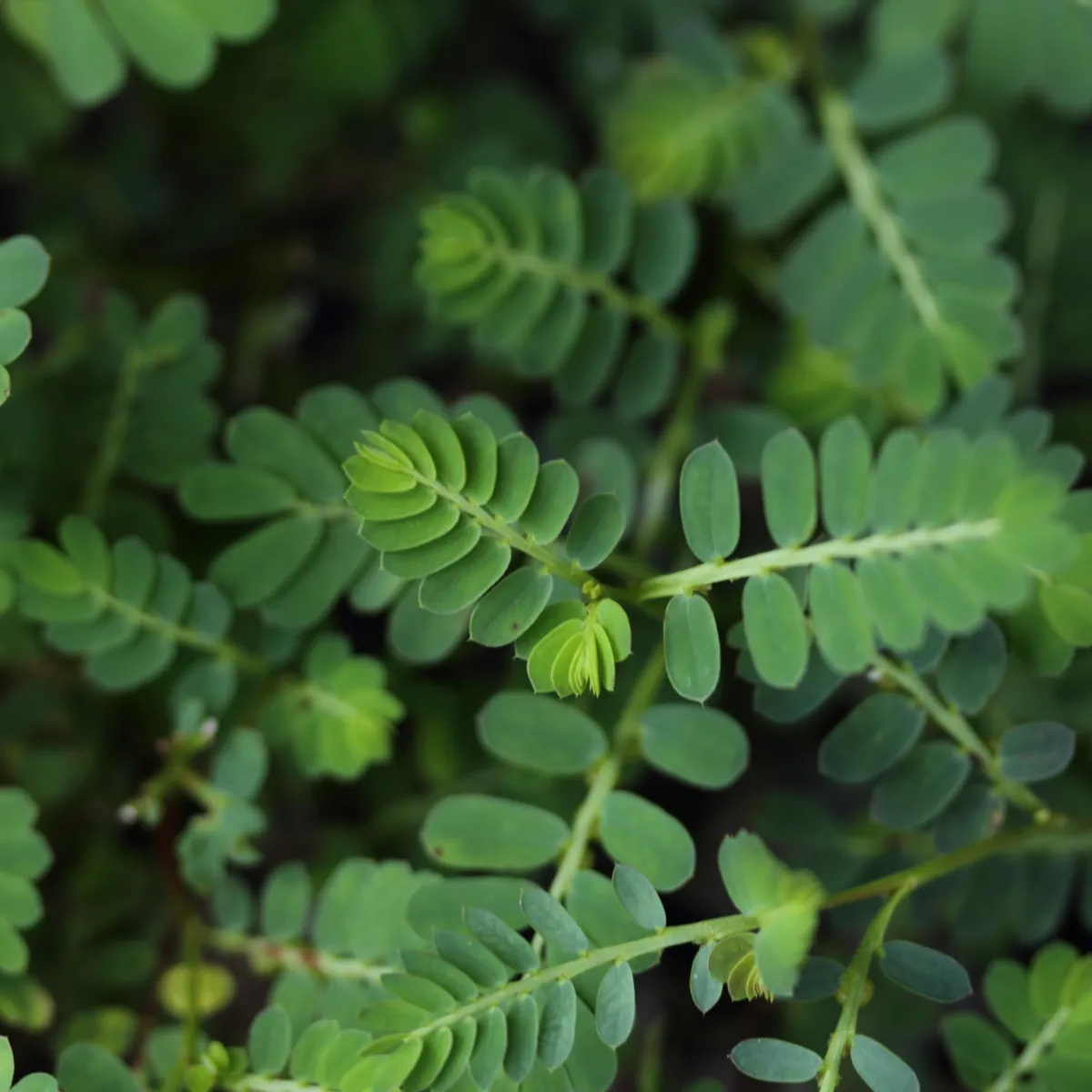
Treat the Weeds You Have

Get Weeds Under Control Without Guessing

Dandelions, crabgrass, clover, plantain, and creeping Charlie do not grow or spread in the same way. One treatment will not handle every weed at every point in the year. Fitzgerald Lawn Care considers the weed, its growth stage, the surrounding grass, and the weather before deciding what to include in the application.

We also check why weeds are finding room. Thin grass, bare soil, shade, compaction, poor drainage, drought stress, and mowing too short can all open the lawn. Killing the visible weed without addressing those conditions often leaves the same space ready for new growth.

New Richmond lawns change quickly between spring thaw, summer heat, fall growth, and winter dormancy. Treatment dates follow what is happening in the lawn rather than the calendar alone. The service may focus on prevention during one visit and visible weeds during another.

Your Six-Step Weed Plan

How Our Lawn Weed Control Service Works

Show Us the Problem Areas

Tell us where weeds return, which sections are getting worse, and whether any part of the lawn was recently seeded. We look at sunny edges, shaded grass, bare patches, slopes, low areas, and sections beside driveways or sidewalks.

The pattern often tells us something. Crabgrass may appear where turf is thin and hot. Creeping Charlie may spread beneath trees or in damp shade. Plantain often shows up where the soil has been compacted.

Identify What Is Growing

Our experts separate broadleaf weeds, grassy weeds, and grass-like weeds. Dandelions and clover do not need the same approach as crabgrass or nutsedge. The plant's age and growth stage matter too.

We focus on the weeds that take over the largest area or cause the most trouble. That gives the treatment a clear purpose, rather than spraying every unfamiliar plant in the yard.

Check the Grass and Lawn Conditions

Grass type, density, moisture, shade, mowing height, and recent weather are reviewed before treatment. We also look for compaction, poor drainage, insect damage, disease, and other factors that may be causing the grass to thin.

Tell us about recent seed, sod, fertilizer, or lawn applications. Some weed treatments can affect young grass, so timing needs to account for seeding and recovery work.

Choose the Right Treatment Window

Pre-emergent treatment goes down before certain weed seeds develop into established plants. Post-emergent treatment is used after controllable weeds are visible and actively growing.

Temperature, wind, recent rain, soil conditions, and lawn stress all matter. A treatment may be moved when the weather or grass is not ready for it.

Treat the Agreed Lawn Areas

We apply the selected treatment to suitable turf. Depending on the service and weed pressure, that may mean broad lawn coverage or closer attention to certain patches.

Landscape beds, gardens, trees, shrubs, and other areas that should not receive lawn weed treatment are kept separate from the application.

Check Progress Through the Season

Weeds do not all emerge together. Seeds already in the soil can grow after an earlier application, and established weeds may need another properly timed visit.

Fitzgerald returns to treat controllable weeds at no charge when the service covers them. Let us know where the weeds remain after the treatment has had time to work.

Care After Weed Treatment

What to Do After Lawn Weed Control

Read the instructions left by your service pro after each visit. A treatment applied to the leaves may need time to dry before rain or irrigation. Another application may need to be watered into the soil. Automatically turning on sprinklers can reduce the value of the treatment when the timing is wrong.

Wait to mow for the period listed in the service notes. Cutting too soon may remove treated leaf growth before the application has enough time to move through the weed. Leave treated weeds in place for the same reason. Pulling or cutting them immediately can interrupt the process.

Keep children and pets away during application and until the treated grass has dried or the return instructions have been followed. Watch the lawn over the next several days. Weeds may curl, fade, or stop growing before they fully decline.

Contact us if covered weeds remain active after the expected response time. Share the part of the yard where they are growing so we can review that section.

What Weed Control Can Do

Practical Help for a Weed-Filled Lawn

Professional weed control integrates timing, identification, and follow-up into a single lawn plan.

  • Treat the weeds present: Broadleaf weeds, grassy weeds, and sedges are identified before an application is selected.
  • Prevent certain weeds early: Pre-emergent treatment can stop suitable weed seedlings before they become established.
  • Address visible growth: Post-emergent treatment targets controllable weeds already growing in the lawn.
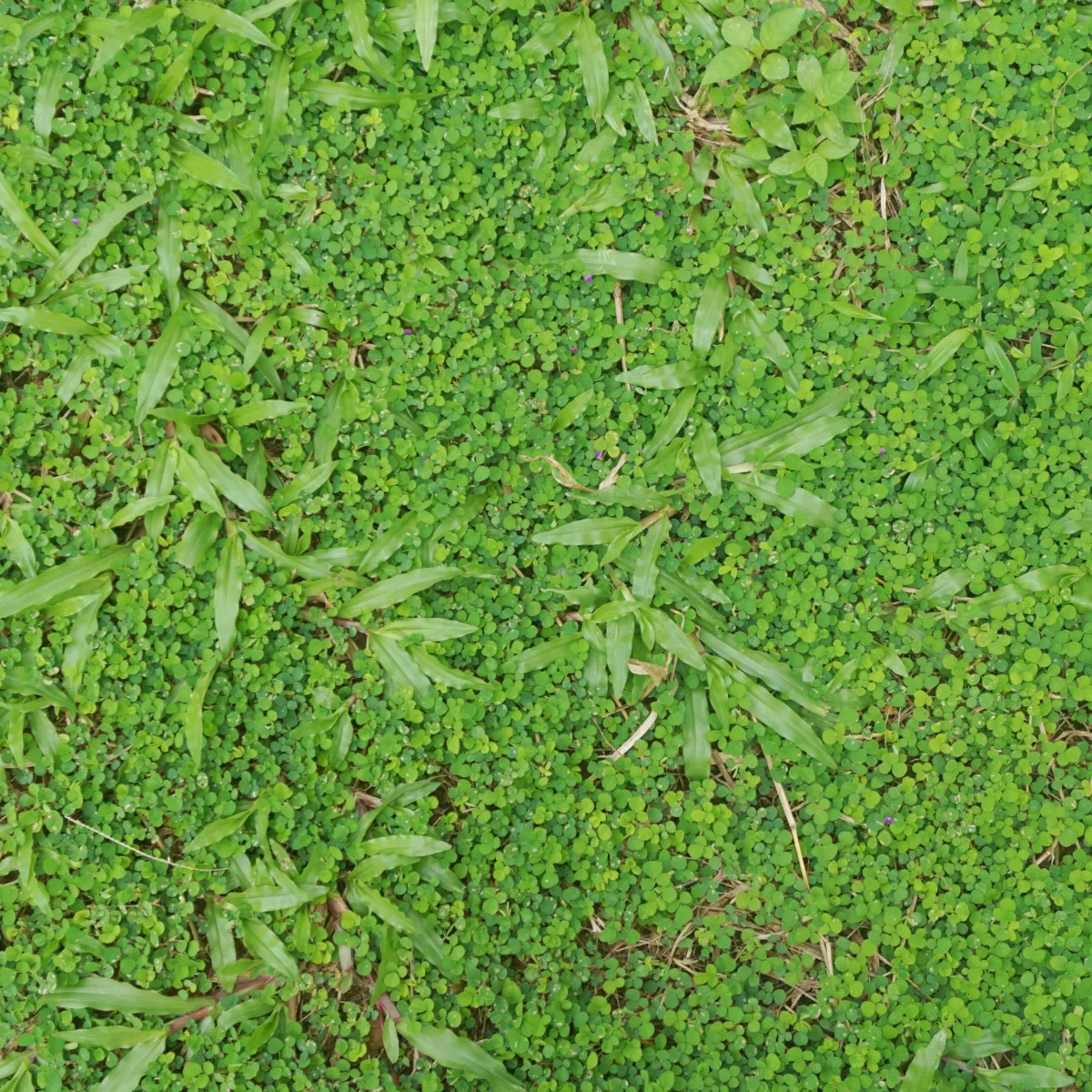
  • Protect the surrounding grass: Treatment is matched to the weed, turf, season, and current lawn condition.
  • Follow the changing season: Later weed growth can be reviewed instead of expecting one spring visit to cover the entire year.
  • Get covered weeds re-treated: Fitzgerald returns at no charge when controllable weeds included in the service remain active.

Weed treatment cannot create grass where the lawn is bare. It also cannot correct deep shade, poor drainage, severe compaction, insect damage, or a sprinkler problem. Those issues need separate attention.

New Richmond Weed Pressure

Why Weeds Keep Returning to Local Lawns

Spring gives several weeds an early opening. As the ground warms, crabgrass can begin developing in thin, sunny sections. Dandelions, clover, and plantain become easier to spot as lawn growth picks up. Seeds already in the soil may wait for the right temperature and moisture before growing.

Summer heat can weaken cool-season grass, especially beside pavement, on dry slopes, or where irrigation misses part of the lawn. Once turf becomes thin, crabgrass and other weeds have more light and open soil. A wet stretch can create a different problem in low or shaded areas.

Creeping Charlie often spreads through moist shade and weak turf. The University of Wisconsin Extension guide to creeping Charlie notes that better drainage, more light, suitable mowing, fertilization, overseeing, and proper watering can make the area less favorable for this weed.

Common trouble spots around a New Richmond yard include:

Match Treatment to Growth

Pre-Emergent or Post-Emergent Weed Control?

Pre-Emergent Weed Control

Pre-emergent treatment is applied before certain weed seedlings establish. It is commonly used for annual grassy weeds such as crabgrass. Timing matters because the treatment needs to be in place before the weed reaches the wrong growth stage.

It will not remove weeds already growing in the lawn. It also does not prevent every weed, so later lawn checks still matter.

Post-Emergent Weed Control

Post-emergent treatment is applied after suitable weeds are visible. The product and timing depend on the weed or grass, temperature, wind, moisture, and the level of lawn stress.

Some weeds respond after one visit. Established perennial weeds or difficult growth may need another treatment when conditions are right.

Seasonal Weed Follow-Up

A lawn can need both approaches during the year. Spring prevention, treatment for visible weeds, summer adjustments, and fall work each address a different part of the weed cycle.

Fitzgerald’s five-step fertilizer program includes seasonal weed control from early spring through fall, while providing lawn nutrition at key points in the year.

Signs Your Lawn Needs Help

When to Ask About Professional Weed Control

It may be time for weed service when:

  • Crabgrass keeps returning along hot lawn edges
  • Dandelions or clover are spreading through the turf
  • Creeping Charlie is moving through shaded grass
  • Weeds return soon after mowing or hand-pulling
  • Thin or bare areas are filling with unwanted growth
  • You cannot identify the weed safely
  • A store-bought treatment has not solved the problem
  • Recent seeding makes treatment timing uncertain

Several weeds can be mistaken for grass or for one another. An assessment gives us a better chance of matching the treatment to the plant and protecting the surrounding lawn.

More Help for Your Lawn

Related Services for New Richmond Lawns

Weed control may be the main service or one part of what the lawn needs.

Each service has its own purpose. We will explain what fits the lawn without adding work that does not address the problem.

Local Care Since 1998

Why Choose Fitzgerald Lawn Care?

Fitzgerald Lawn Care has served New Richmond and nearby communities across Western Wisconsin and Eastern Minnesota since 1998. Our weed control starts with the lawn, the weed, and the time of year.

We identify the weed first

Crabgrass, dandelions, clover, plantain, creeping Charlie, and other weeds do not all receive the same treatment.

Timing follows local growth

Spring soil conditions, summer stress, fall growth, and changing weather affect when applications are made.

The grass is considered

Treatment is selected with the surrounding turf, recent seeding, moisture, and lawn condition in mind.

You receive clear aftercare

We explain mowing, watering, lawn access, and what changes to expect from treated weeds.

Covered weeds receive follow-up

Fitzgerald returns at no charge when controllable weeds included in the service remain active.

Underlying lawn problems are noted

Thin grass, shade, compaction, drainage, insects, or disease may need a separate service.

Local Weed Questions

Frequently Asked Questions

Request Weed Control for Your New Richmond Home

If weeds keep returning, start with the plants that are present and the condition of the grass around them. Fitzgerald Lawn Care will identify the problem areas, explain whether pre-emergent or post-emergent treatment fits, and review any lawn conditions that help the weeds return.

Your estimate will cover the treatment area, timing, aftercare, and follow-up. Tell us about recent seeding, lawn applications, or sections where weeds appear every year.