WI 715-265-3237 | MN 507-262-1027 WI 715-265-3237 | MN 507-262-1027 Get a Quote

Local Lawn Disease Care

Lawn Disease Control in New Richmond, WI

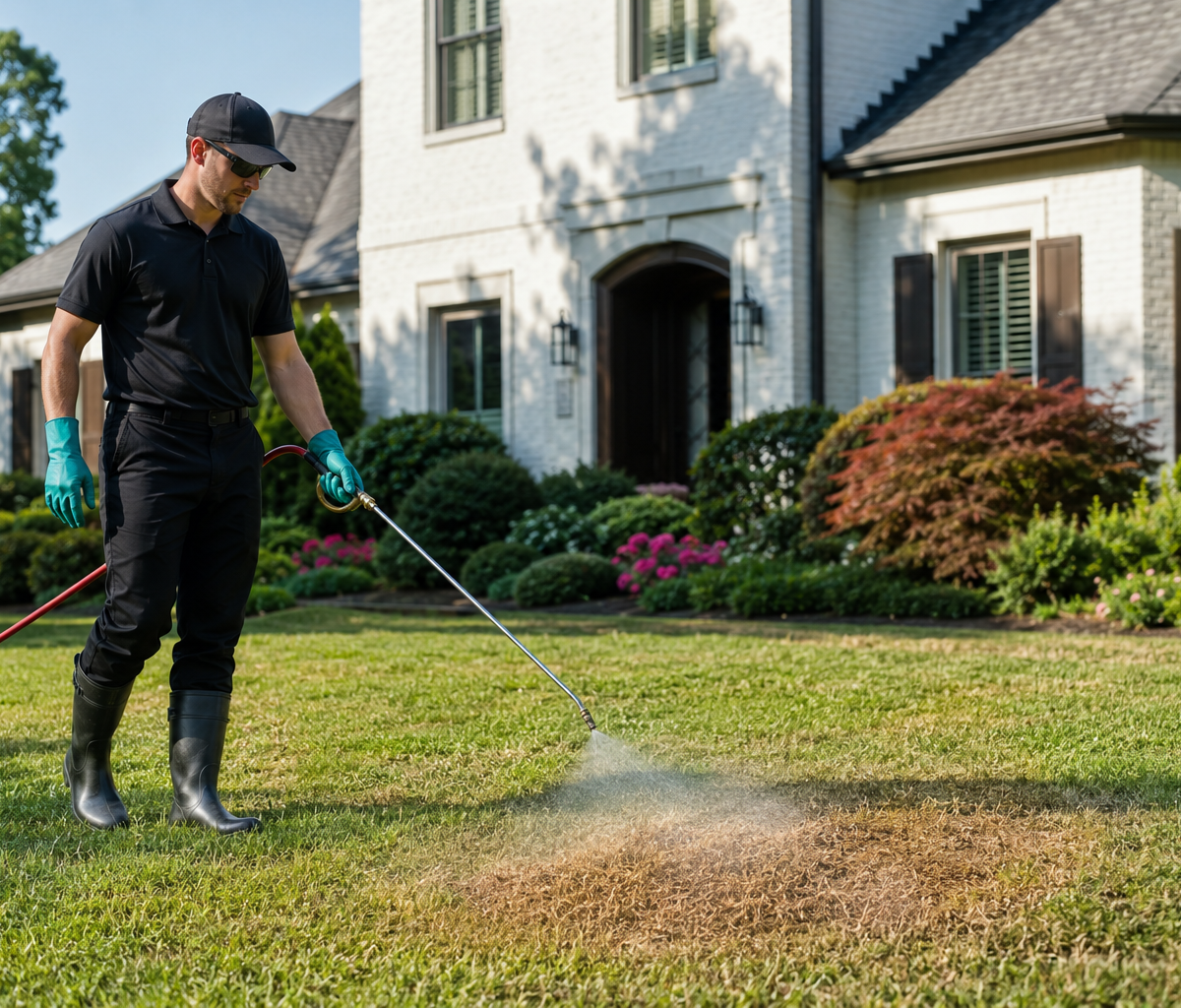
Brown patches spreading across the yard? Grass looking matted after snowmelt, thin during summer, or discolored even though you are watering? Fitzgerald Lawn Care provides residential lawn disease control in New Richmond, WI, for local grass affected by moisture, seasonal stress, and active disease.

Our experts check the damaged area before recommending treatment. We look at the grass, roots, soil moisture, recent weather, and lawn care history so you know what is likely causing the problem and what your lawn needs next.
Help Damaged Local Grass

Give Your New Richmond Lawn the Right Disease Care

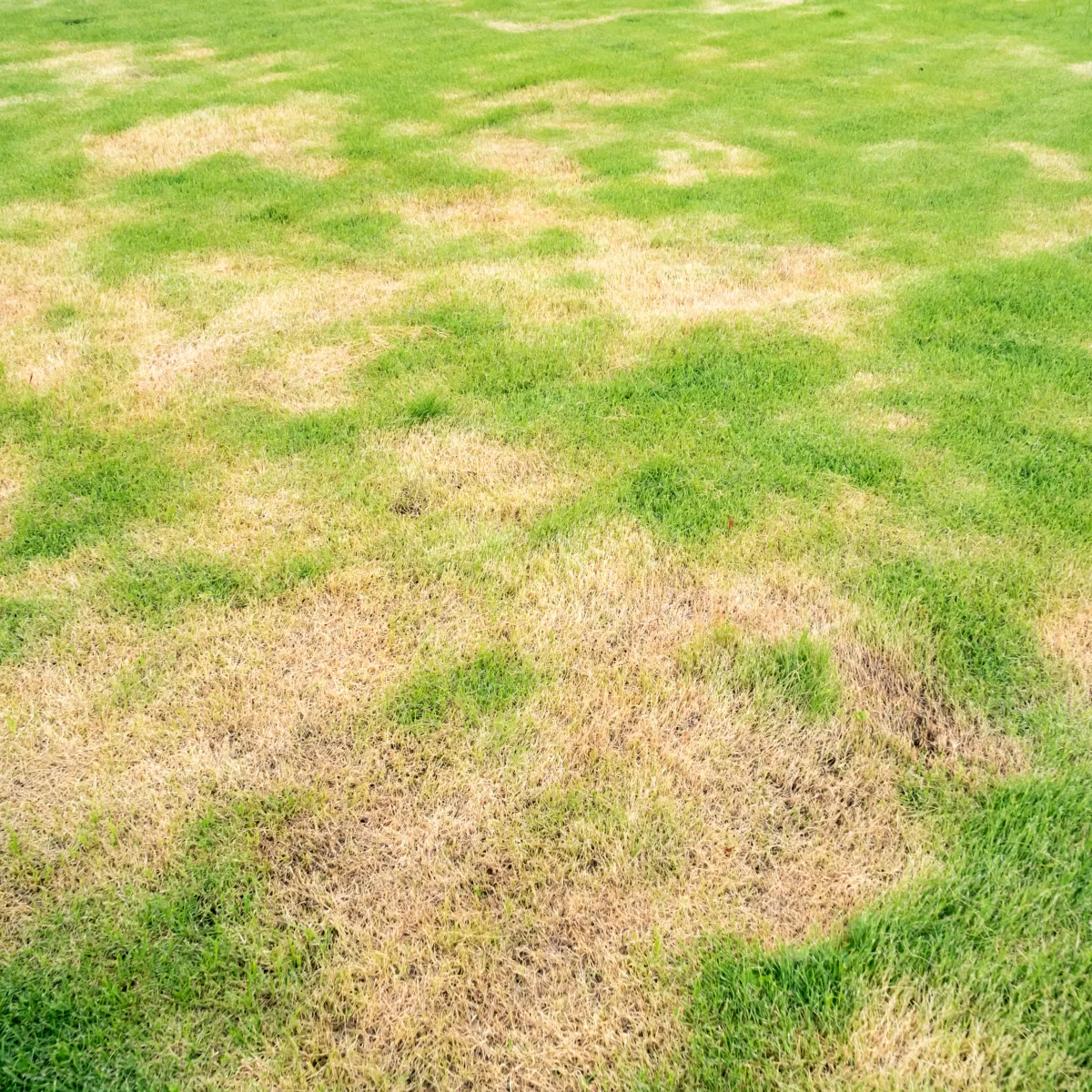
A circular brown patch may be caused by disease, but similar damage can come from grubs, drought, uneven irrigation, pet urine, fertilizer spills, compacted soil, or mowing too short. Adding water, fertilizer, or another lawn product without knowing the cause can leave the real problem untreated.

Fitzgerald Lawn Care looks at the shape of the damage, the condition of the blades and roots, shade, drainage, thatch, watering, recent treatments, and how quickly the area is changing. Matted grass that appears as the snow melts needs a different response from rings that become visible during a stretch of hot, humid weather.

New Richmond lawns move through snow cover, wet spring soil, summer humidity, and dry periods. Shade and compaction can create different conditions within one yard. Our lawn disease control service takes those differences into account before treatment begins.

Your Six-Step Lawn Plan

Alleviate Lawn Disease in your Yard

Start With the Areas That Changed

Show us where the problem began, when you first noticed it, and whether it is spreading. One section may look matted, while another develops rings or scattered thin spots. We look at each pattern instead of assuming the whole lawn has the same problem.

Tell us about recent watering, fertilization, weed or insect treatments, and whether the damage followed heavy rain, snowmelt, or heat.

Check the Grass From Blade to Root

Our experts inspect the grass blades, crowns, roots, and nearby turf. We look for unusual color, powdery material, matted growth, rings, and irregular patches. Turf that pulls up easily may have damaged roots. Grass that is firmly rooted but marked on the blades may point to a different issue.

These details separate disease from grub feeding, drought, pet damage, and chemical injury.

Review Moisture and Lawn Conditions

Shade, drainage, thatch, soil moisture, mowing height, and watering time can all affect disease pressure. Grass that stays wet overnight may be more vulnerable to some diseases. A low section that holds water may struggle for a different reason than turf drying beside a driveway.

Grass type and season also matter, as symptoms vary with temperature and moisture.

Rule Out Similar Lawn Problems

Disease treatment will not repair a broken sprinkler, improve deep shade, remove grubs, or correct poor drainage. Before recommending treatment, we compare the symptoms with other likely causes.

When the signs remain unclear, we may recommend more observation or diagnostic testing before treatment.

Treat the Affected Turf

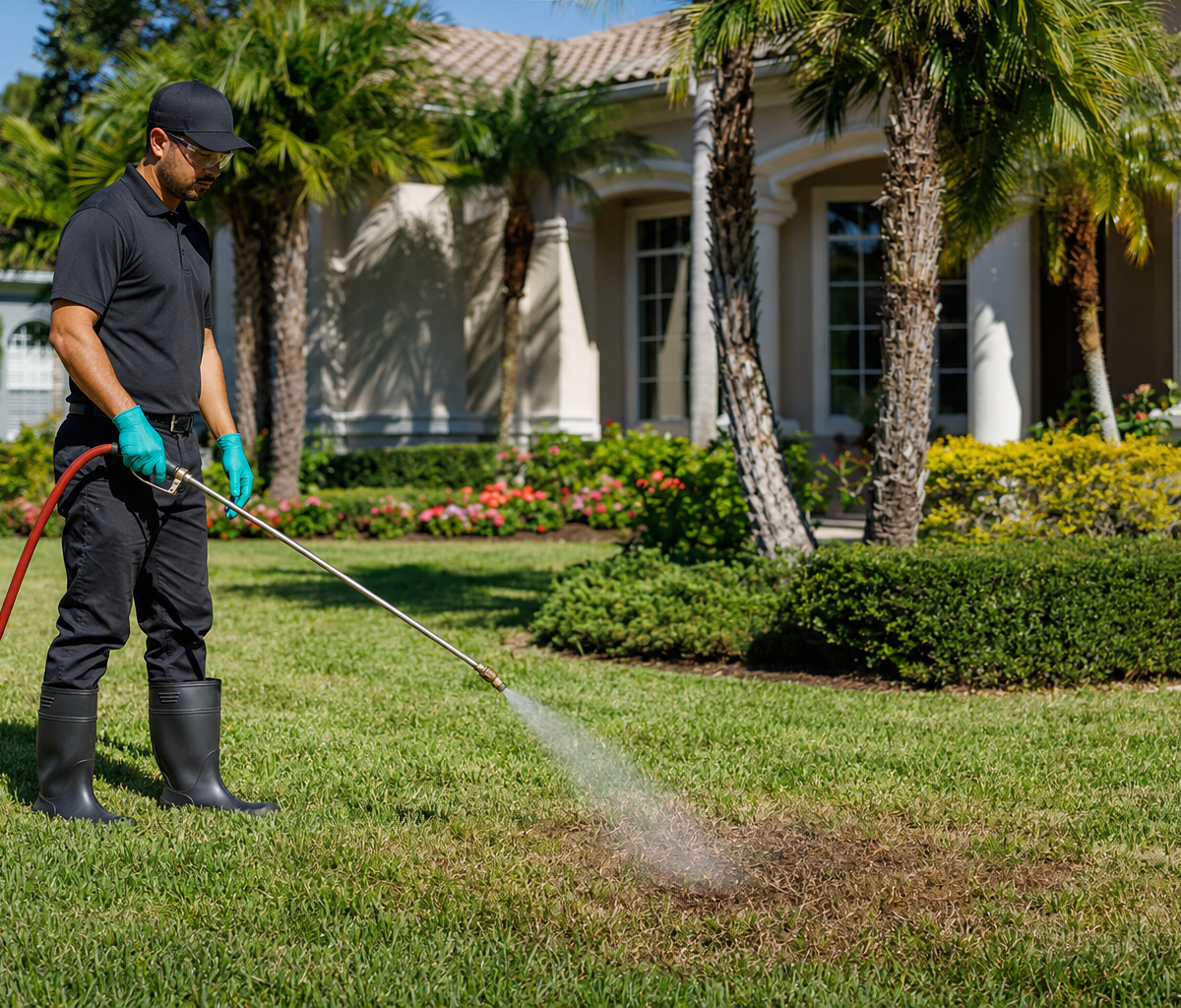
If the signs point to active disease, we treat the areas listed in your estimate. The coverage depends on the disease pattern, the condition of surrounding grass, recent weather, and the time of year.

We will explain the treatment area and any nearby turf that will be included before service begins.

Plan for Lawn Recovery

Disease treatment addresses the active problem, but it cannot replace grass that has already died. Mild damage may recover as the grass begins growing normally again. Thin or bare sections may need aeration, overseeing, or another repair at the right point in the season.

We will also explain whether changes to watering, mowing, drainage, or fertility could help the lawn recover and reduce repeat stress.

Care After Lawn Service

What to Do After Lawn Disease Treatment

Follow the instructions left after the visit, as mowing, watering, and lawn access may depend on the treatment completed. Some applications need time to dry. Others may need water to move into the lawn. Check the service notes before turning on the sprinklers or using any other product.

Keep mowing at a suitable height and use a sharp blade to avoid more stress on the grass. We may ask you to collect clippings while certain diseases are active and clean grass buildup from the mower before moving into healthy turf.

Keep traffic light across soft, wet, or thinning areas. Contact us if patches continue spreading, new symptoms appear, or the treated area does not respond as expected.

What Treatment Can Do

Practical Help for a Damaged Lawn

The service should match what is happening in the grass.

  • A closer look at the damage: Rings, matted turf, unusual color, leaf markings, and weak roots are reviewed before treatment is recommended.
  • Treatment for the affected areas: Service focuses on turf showing signs of active disease and other areas included in your estimate.
  • Protection for surrounding grass: Addressing disease early may reduce additional damage while nearby turf is still healthy.
  • Clear aftercare: You receive practical instructions for watering, mowing, lawn access, and what changes to watch for.
  • A recovery plan: We explain when damaged grass may recover on its own and when overseeing or another service may be needed.
  • Fewer unnecessary products: If disease is not causing the problem, we point you toward the lawn service that better fits the damage.

Disease control is not an instant repair for dead grass, poor drainage, deep shade, severe compaction, insect damage, or broken irrigation. Those problems need their own solution.

New Richmond Lawn Stress

Why New Richmond Lawns Develop Disease

Long snow cover can create matted patches that become visible during the spring thaw. Leaf buildup and heavy late-season growth may keep grass damp beneath the snow. As the ground thaws, low areas and shaded sections can stay wet longer than open turf.

Warm, humid weather brings a different set of concerns. Moisture can remain on the blades beneath trees or in areas with limited airflow. Heat may then expose weak roots, compacted soil, thin grass, and uneven sprinkler coverage. A disease may begin under cool, wet conditions but become more apparent once the lawn is under summer stress.

The University of Wisconsin Extension lawn disease guide lists several diseases affecting cool-season grasses in Wisconsin, including snow mold, necrotic ring spot, summer patch, dollar spot, red thread, and rust.

Conditions can vary across one New Richmond property:

  • Turf beneath mature trees may stay shaded and damp
  • Grass beside pavement may heat up and dry faster
  • Low sections may hold water after rain or snowmelt
  • Walking routes and play areas may become compacted
  • Thick leaf cover can trap moisture before winter
  • Uneven irrigation may leave one area wet and another dry

These differences are why one treatment or watering routine may not suit the entire lawn. We check the affected area before deciding what belongs in the service plan.


Find the Right Lawn Fix

Lawn Disease or Another Lawn Problem?

When Disease May Be Involved

Circular or ring-shaped patches, matted turf after snowmelt, unusual spotting on grass blades, fine red strands, or orange powder may point to disease. The pattern, season, moisture, and grass type all help with identification.

When Insects May Be the Cause

Grass that feels loose or lifts away from the soil may have damaged roots. Birds, skunks, or other animals digging through the turf can also be a sign of grubs. Lawn pest and insect control is separate from disease treatment because the causes of damage differ.

When Water or Soil Needs Attention

Dry strips beside pavement, puddles in low areas, thin grass beneath trees, or damage following sprinkler patterns may point to irrigation, shade, drainage, or compaction. Aeration, watering changes, or another form of lawn care and maintenance may make more sense than disease treatment.

Our experts assess the entire area before recommending a service.

Signs Your Lawn Needs Help

When to Ask About Lawn Disease Control

It may be time for a lawn assessment if:

  • Brown or straw-colored patches are getting larger
  • Rings or circular areas appear in the grass
  • Turf looks matted after the snow melts
  • Orange or reddish powder collects on shoes or mower wheels
  • Grass remains thin even with normal watering
  • New patches appear during humid weather
  • Damaged areas are not responding to regular lawn care
  • You cannot tell whether the cause is disease, insects, or drought

These signs are useful starting points, but they do not confirm disease on their own. We inspect the grass and surrounding conditions before recommending treatment.

More Help for Your Lawn

Related Services for New Richmond Lawns

Disease treatment may be the main service or one part of what your lawn needs.

Each service should solve a specific problem. We will explain what your lawn needs and what does not need to be added.

Why Choose Fitzgerald Lawn Care?

Fitzgerald Lawn Care has served New Richmond and nearby communities in Western Wisconsin and Eastern Minnesota since 1998. We inspect the affected grass before deciding whether disease treatment is the right service for it.

  • The lawn is checked first

    We look at the damage pattern, blades, roots, moisture, shade, drainage, and recent lawn care.

  • Local conditions are considered

    Snow cover, spring moisture, summer humidity, heat, and changing rainfall all affect how damage appears.

  • Similar problems are ruled out

    Grubs, drought, pet damage, fertilizer injury, irrigation trouble, and compaction can look like disease.

  • The estimate is clear

    You will know which areas we plan to treat, what the service covers, and what may be needed afterward.

  • Aftercare is explained

    We provide practical instructions for watering, mowing, lawn access, and monitoring the affected area.

  • Recovery support is available

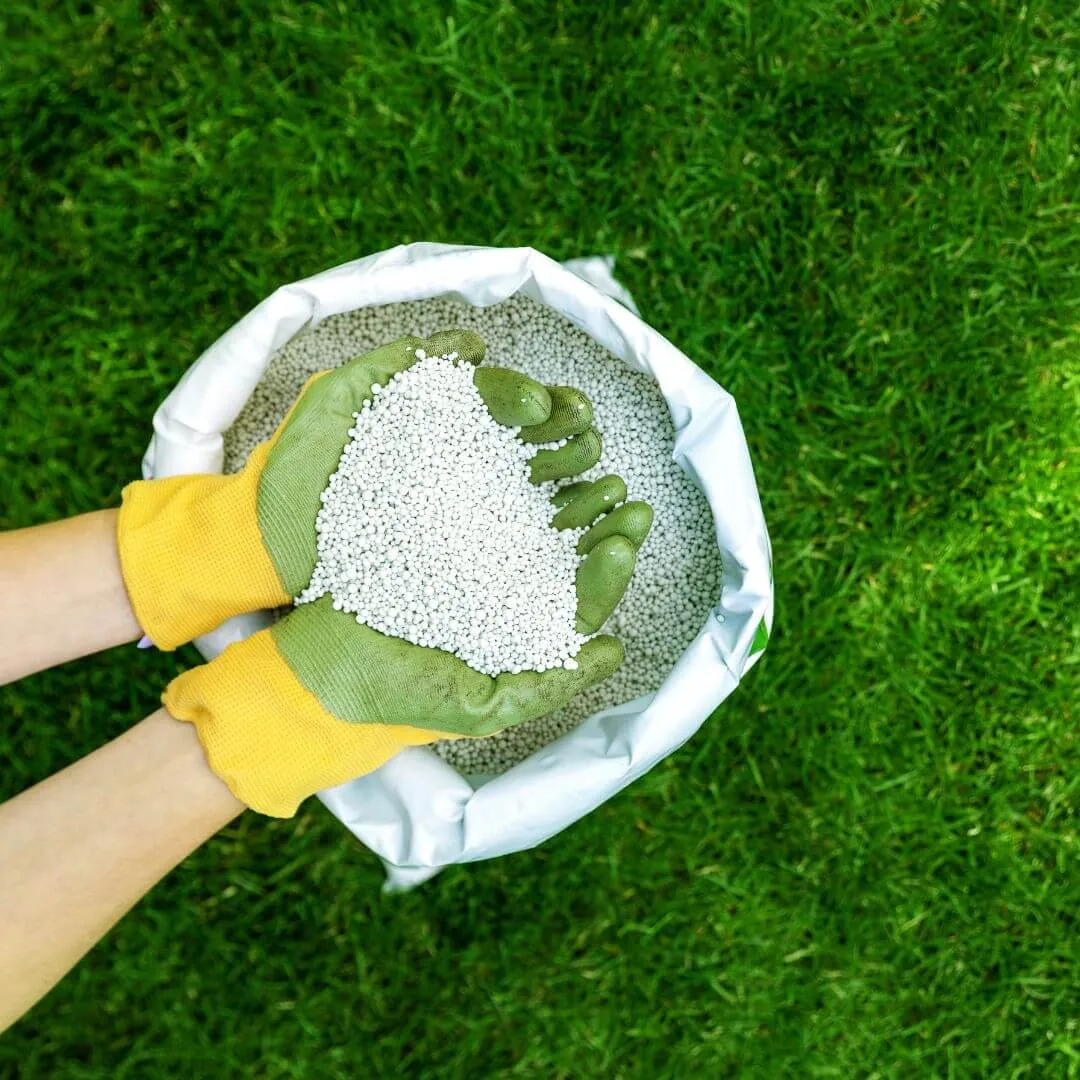
    If the grass needs more than disease control, we can recommend aeration, overseeing, fertilization, or another suitable service.

    If disease is not causing the damage, we will tell you what we found and point you toward the service that makes more sense.

Lawn Disease Questions

Frequently Asked Questions

Request Lawn Disease Control for Your New Richmond Home

If brown patches are spreading or your grass is not improving, adding more water or fertilizer may not solve the problem. The first step is finding out what is damaging the lawn.

Fitzgerald Lawn Care can check the grass, roots, moisture, recent weather, and problem areas. We will explain whether disease treatment fits the damage, which areas need attention, and what the lawn may need afterward. You will know the recommended service, pricing, preparation, aftercare, and follow-up needs before scheduling.

Get a free estimate for residential lawn disease control in New Richmond, WI, and take the next step toward a healthier lawn.