Local Mulch Installation
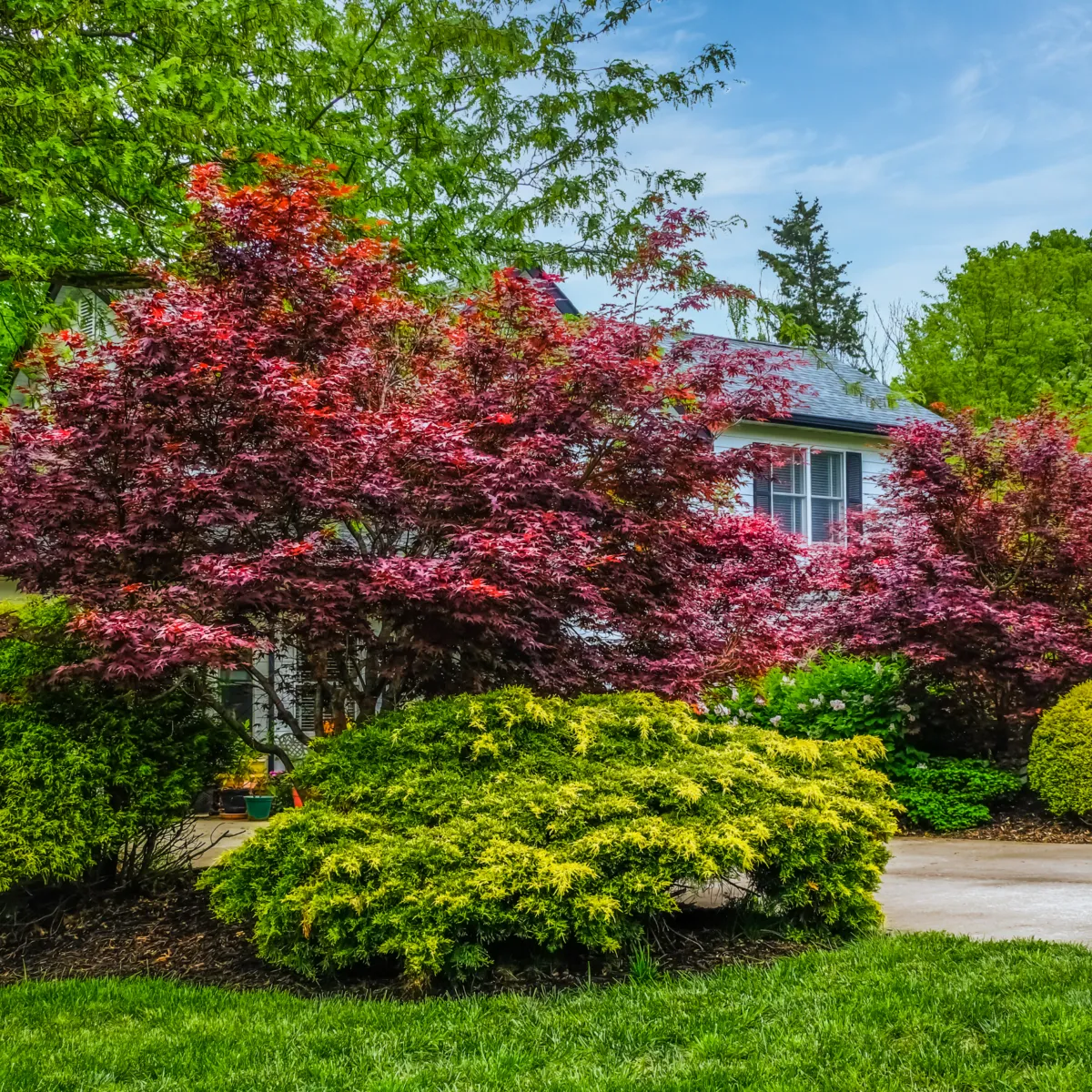
Faded mulch and bare spots can make otherwise healthy landscaping look neglected. Fitzgerald Lawn Care installs mulch for New Richmond homes, including beds around trees, shrubs, and flowers, as well as along foundations, walkways, and other established planting areas.
Before adding anything, we check how much mulch is already there. Our crew prepares the beds, spreads the selected material evenly, and leaves breathing room around trunks and plant stems. Need material delivered instead? Bulk mulch, pulverized black dirt, and garden topsoil are also available.
Give Your Beds a Fresh Start
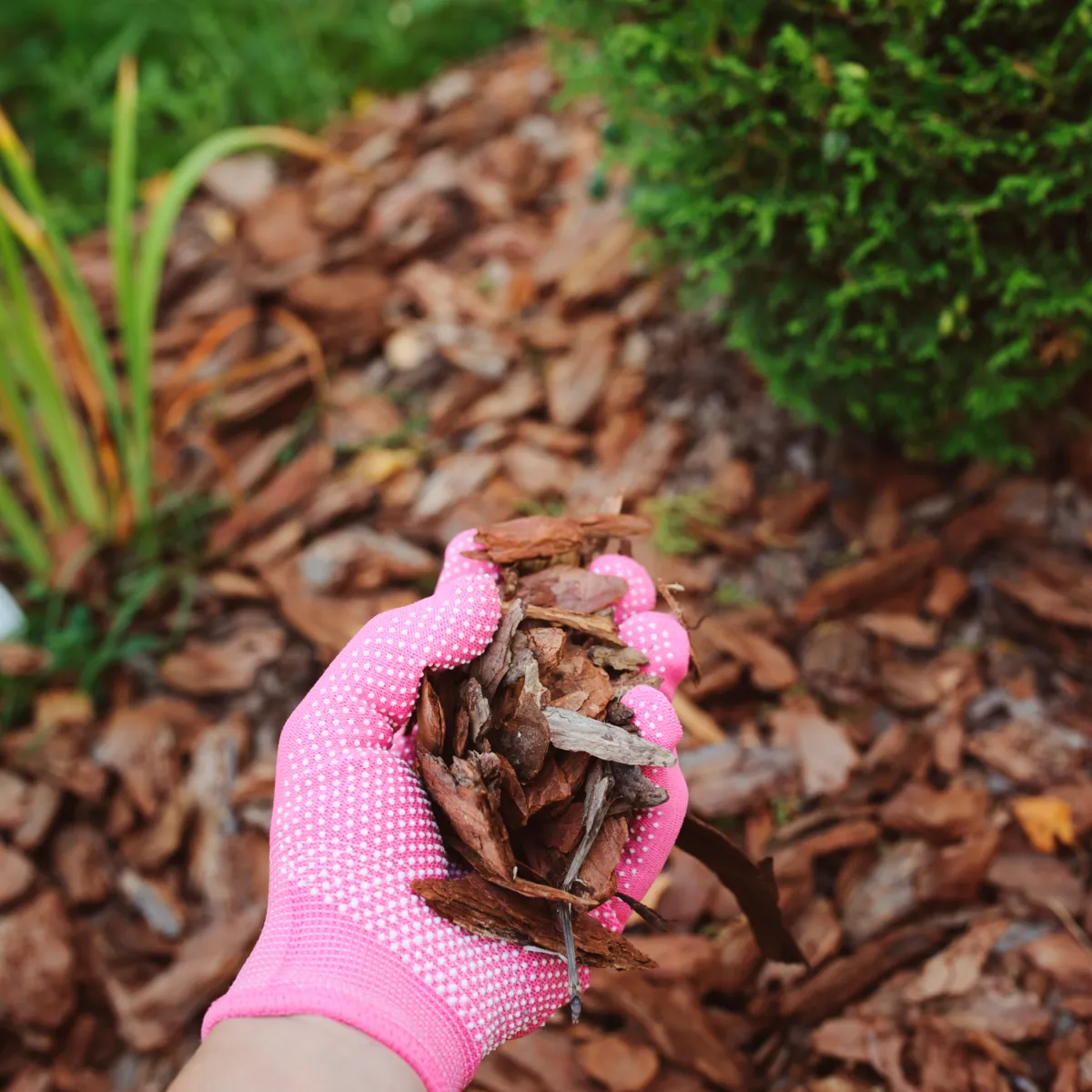
Mulch doesn’t stay fresh forever. It settles, fades, breaks down, and sometimes washes out during heavy rain. One bed may need a full refresh while another only needs the existing mulch raked back into place. We check each area instead of adding the same amount everywhere.
This matters most around trees and shrubs. Mulch piled against a trunk holds moisture against the bark and can bury the root flare. Too much material can also slow the movement of water and air, especially in heavier soil.
At the right depth, mulch helps soil retain moisture longer, protects roots from sharp temperature fluctuations, and makes it harder for new weeds to take hold. It won’t replace watering or stop every weed, but it does make the beds easier to manage.
Fitzgerald can install mulch around foundation plantings, landscape islands, trees, shrubs, flower beds, walkways, and borders.
Your Six-Step Mulch Plan
Show us the beds that need work and the look you want. We can review front, back, and side beds along with tree rings, foundation plantings, landscape islands, and borders.
Let us know about new plants, shallow roots, irrigation lines, landscape lighting, or spots where mulch keeps washing away.
We measure what remains and look for bare soil, compacted material, and exposed landscape fabric. We also check for mulch pushed against trunks, stems, siding, edging, or pavement.
The amount we add depends on that bed, not a standard layer applied across the whole property.
Current color options include dark brown, black, red, gold, natural, and Western red cedar. We will confirm what's available before the work is scheduled.
Choose a finish that works with the home, plants, edging, and other landscape materials.
We clear loose leaves and debris from the beds included in the project. Surface weeds are removed where included, and old mulch may be loosened or spread back into thin spots.
If a bed also needs new edging, heavy weed removal, plant replacement, soil work, or repairs, we will list that separately.
We spread the mulch across the prepared bed, then pull it back from trunks, stems, and plant crowns. The final depth includes the underlying layer, not just the material added that day.
The University of Wisconsin Extension guide to wood mulch recommends keeping mulch away from tree trunks and adjusting its depth based on soil conditions. We follow the same practical approach around woody plants.
After installation, we clear loose mulch from nearby lawn edges, walkways, driveways, and patios included in the work. Before leaving, we check the coverage and make sure plant bases remain open.
If we notice drainage issues, exposed roots, damaged edging, or an unhealthy plant, we will point them out rather than cover them with mulch.
Care After Mulch Installation
Mulch helps the soil hold moisture, but the plants still need water. Check the soil beneath the new layer rather than judging by the dry surface. Water slowly enough to soak through rather than run toward the lawn or pavement.
Keep the open space around trunks, stems, and plant crowns. Rain, pets, and yard work can push mulch inward, so rake it back if it starts touching the plants.
Avoid walking through freshly finished beds or placing heavy items on the mulch. Repeated foot traffic can compact the layer.
Check low spots and downspout areas after heavy rain. Mulch washing onto a walkway usually points to a water-flow problem, not a bad batch of mulch. Let us know where it moved.
Pull new weeds while they’re small. Mulch blocks some light, but it won’t stop established roots or every seed that blows into the bed later.
What Fresh Mulch Can Do
Fresh mulch does more than improve the color of a bed. It can also reduce some of the routine work around established plants.
Mulch won’t fix poor drainage, a failing plant, compacted soil, or a broken irrigation line. Covering those problems only makes them harder to see.
New Richmond Bed Conditions
New Richmond landscapes take a beating through freeze and thaw, snow, spring rain, summer heat, and fall cleanup. Organic mulch slowly breaks down. Wind, runoff, raking, foot traffic, and snow removal move the rest.
Spring is a good time to look at the beds because thin areas are easy to spot after cleanup. It isn’t a reason to automatically add a full layer. If enough mulch remains, raking it level may be all the bed needs.
Summer sun fades dark mulch and dries exposed soil. A reasonable layer slows water loss, but a deep one can hold too much moisture in wet or heavy ground. Slopes and downspout areas may lose material after storms.
Fall leaf removal can pull some mulch out with the debris. Winter snow piles may press it down or move it toward lawn edges and walkways. When the snow melts, look for bare soil, uneven coverage, and mulch packed against plant bases.
Choose the Right Service
Choose installation when you want us to handle the material, prepare the agreed areas, spread the mulch, and clean the nearby surfaces afterward.
We assess the project based on the bed area and existing depth. Additional work, such as major weed removal, new edging, plant removal, or soil repair, needs to be identified before installation.
Choose bulk delivery when you or another contractor will spread the material. Current options include dark brown, black, red, gold, natural, and Western red cedar mulch.
Before delivery, choose a clear drop spot that won’t block vehicles, drains, sidewalks, or other scheduled work.
Fitzgerald also delivers pulverized black dirt and garden topsoil. These aren’t substitutes for decorative mulch and may not suit the same project.
Tell us what you are filling, grading, planting, or repairing so the request can be reviewed. Delivery does not include spreading or soil preparation unless the estimate specifies them.
Know When Beds Need Help
Ask for a mulch estimate when you notice:
If the mulch is already deep, adding more isn’t the answer. We may need to rake it out or remove part of the buildup first.
More Help for Your Property
Mulch installation may be one part of a larger lawn or landscape project.
Any lawn, pest, cleanup, or repair work will be listed separately so you can see exactly what is included.
Local Experience Since 1998
Fitzgerald Lawn Care has worked in New Richmond and nearby communities since 1998. We don’t cover an old layer without first checking its depth and condition.
Your estimate will list the beds, material, preparation, installation, cleanup, and delivery details, so there are no surprises on service day.
We review the current layer and thin, deep, bare, or washed-out sections.
Mulch is kept away from trunks, stems, and crowns instead of being piled against them.
Available colors, mulch type, quantity, and delivery or installation are listed with the estimate.
You will know whether clearing, light weeding, redistribution, edging, or another task is included.
Loose material is cleared from the agreed lawn edges and hard surfaces after installation.
We point out drainage, soil, root, plant health, or edging issues that mulch will not correct.
Local Mulching Questions
Fresh mulch can clean up tired beds, cover bare soil, and make routine weeding easier. Fitzgerald Lawn Care will check the existing layer, confirm the material, and prepare the agreed areas before installation.
Your estimate will cover the beds, mulch color, approximate quantity, preparation, installation, cleanup, and any bulk delivery needs. Tell us about drainage trouble, new plants, lighting, irrigation, or areas where mulch regularly washes away.